





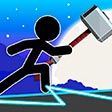
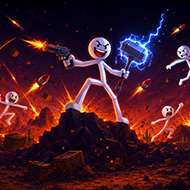




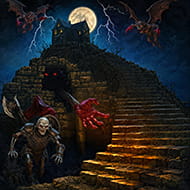
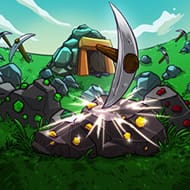



Fun Clicker
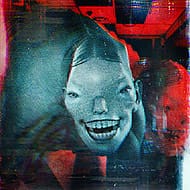
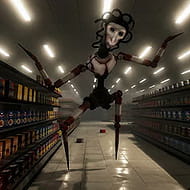
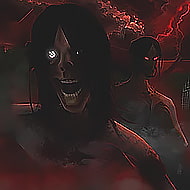

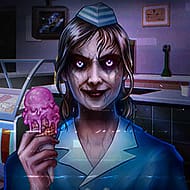

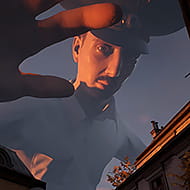






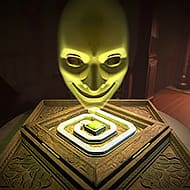
In Fun Clicker you start with nothing but a single smiling face on the screen, and that face matters more than it looks like it should. The setup reads like the simplest possible clicker: tap the character, earn currency, buy upgrades, repeat. What the opening screen does not tell you is that this particular game is built to lull you before it turns on you, and the page itself even warns about this before you click a single time.
| Genre | Simulation / Clicker |
| Platform | Browser (HTML5) |
| Core loop | Tap to earn, spend on upgrades, unlock skins |
| Tone | Friendly clicker that shifts into horror |
| Session length | Short, usually one sitting |
The Smiling Face and the First Clicks in Fun Clicker
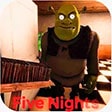
The early minutes are deliberately uneventful. You tap the green smiling face, watch a counter climb, and buy the first upgrades that speed up your clicks per second. Nothing on screen suggests anything is off, which is exactly the point. Fun Clicker leans on the visual language of casual mobile games to set expectations low before it starts breaking them, and it does this without a single line of dialogue explaining the twist in advance.
Beginners tend to make the same mistake here: they treat the early upgrades as filler and rush to spend on whatever is cheapest, rather than saving for the tools that scale click output later. That habit carries over from other idle games, but it works against you once the pace of the game changes and the cost curve stops rewarding scattershot spending.
Idle-game regulars will recognize the rhythm instantly, while players who came in expecting a straightforward horror game are usually the ones caught off guard first, since nothing in the opening screen reads as threatening.
Upgrades, Skins, and the Slow Turn in Fun Clicker
Spending your growing click total unlocks new skins and speeds up progress toward the reward at the end. On paper this is standard incremental design: currency in, multiplier out, repeat until the number is big enough to unlock the next tier. In practice, each unlock nudges the presentation a little further from where it started, and the shift is gradual enough that many players do not notice it happening in real time — they notice it in hindsight, once the screen no longer looks like the one they opened.
Players chasing the ending fastest often push through this stage without pausing, which is a specific and common way to blunt the effect the pacing is built around. Slower players, by contrast, tend to report the tonal shift much more vividly, since they’re paying closer attention to the visuals between purchases rather than treating the upgrade menu as the whole game.
Some of the more dedicated players track their output the way spreadsheet-clicker fans do in bigger incremental games, comparing clicks per second and per click as if it were a competitive metric, even though nothing in Fun Clicker rewards that beyond personal satisfaction.
What the Green Face Is Actually Testing
Strip away the horror framing and Fun Clicker is still a functional clicker at its core, and that dual identity is part of what people argue about. Some players think the horror elements are the main event and the clicking is just a delivery mechanism; others think the reverse, treating the upgrades as the real system and the visual shift as flavor. Both readings are defensible, and the game never fully settles the argument itself.
That ambiguity is a genuinely divisive point in comments sections — some players call the tonal shift unsettling and effective, others say it undercuts the clicker mechanics by making them feel incidental once the horror elements take over.
Reaching the End of Fun Clicker
Completion is framed as a reward, and comments describe it half-jokingly as handing something over rather than simply finishing a game. That reaction is part of why Fun Clicker gets passed around — the payoff is discussed more than shown, which keeps new players guessing right up to the last few clicks. The game currently sits at a strong rating from a small but consistently positive pool of player reviews, and it has even drawn an unofficial fan remake built by another creator, which is a reasonable signal that the concept resonated beyond its original audience.
- Click speed upgrades compound quickly once you stop under-spending early on
- Skin unlocks double as pacing markers for how far along you are
- The tone shift is closer to atmosphere than jump scares
- Reaching the reward is treated by the community as the actual punchline
Is Fun Clicker actually a horror game?
Yes, though it hides that behind a cheerful clicker shell for the first stretch, and the game itself warns players about this upfront rather than pretending otherwise. The horror elements build gradually rather than announcing themselves with a jump scare.
How long does it take to reach the ending?
Sessions run short — most players describe reaching the reward within a single sitting once upgrades start compounding, though pacing depends heavily on how aggressively you buy upgrades early rather than saving.
Do the skins change anything besides appearance?
They mainly track progress and mark the shift in tone, rather than altering the click math directly, though unlocking them is tied to the same currency that drives your upgrades.
Fun Clicker earns its short runtime by committing to a bait-and-switch that a lot of similar browser clickers only gesture at. The smiling face you tap in minute one is not the same character you’re looking at by the time the upgrades run out, and that gap — dressed up as nothing more than a clicker — is the whole game.