











GET UPSTAIRS








You reach for the last light switch, and there’s a full second where the room goes dark and the only thing left to do is run. That’s the whole premise of GET UPSTAIRS, and it works because it’s chasing a fear almost everyone actually had as a kid.
| Genre | Survival / Psychological Horror |
| Platform | Windows, macOS, Linux |
| Session length | Short, single-sitting |
| Endings | Multiple, including a secret ending |
Turning Off the Lights in GET UPSTAIRS
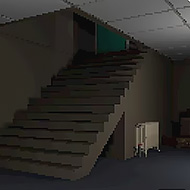
The pitch is almost aggressively simple: turn off every light downstairs, then get upstairs before whatever might be waiting for you catches up. There’s no elaborate lore drop before you start, no tutorial explaining a combat system — just the same low-poly house every child who’s ever bolted up a dark staircase will recognize instantly.
That simplicity is deliberate. GET UPSTAIRS isn’t trying to build an elaborate mythology around its threat; it’s translating a specific, almost universal childhood behavior — flipping the switch and sprinting — into a playable moment, then stretching that moment out until it becomes genuinely tense. Since its release in late August 2026, the game has built a strong reputation quickly, currently sitting at 4.6 out of 5 across 65 ratings on itch.io.
Part of what’s kept people talking is how personal the premise feels. Comment after comment describes the same reaction: recognizing their own childhood fear reflected back at them, rather than encountering something genuinely unfamiliar. That’s a harder trick to pull off than it sounds — most horror games ask you to be afraid of something new, while GET UPSTAIRS just asks you to remember being afraid of something old.
What Actually Happens Once the Lights Go Out
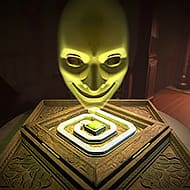
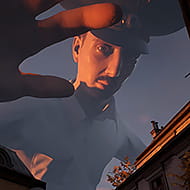
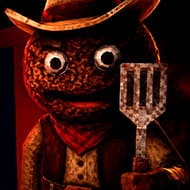
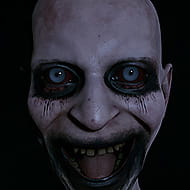
Once you commit to the dark, the game shifts from a lighting puzzle into a straightforward race, and the details of what’s chasing you — or whether anything visibly is — are best left undiscovered rather than spoiled here. Several players have specifically called out how the presence in the game reacts to you directly rather than staying a silent, faceless threat; one widely-shared comment mentions it commenting on the player character’s appearance mid-chase, which caught more than a few people off guard the first time through.
What beginners consistently get wrong is treating the run to the stairs as a simple reflex test. The game rewards paying attention to the house layout before committing to darkness, not just mashing forward once the last light clicks off — players who rush blind tend to hit the earliest, least interesting of the multiple endings on their first attempt.
Community reaction has consistently pointed to the multiple-ending structure as the game’s biggest surprise for something this short. Several commenters mention going back specifically to chase down every ending, including one they describe as a secret ending that isn’t signposted anywhere in the base playthrough — a detail that’s turned a five-minute horror short into something people replay multiple times.
A Short Game With Replay Value Built In
GET UPSTAIRS runs on Windows, macOS, and Linux, and the developer pushed a patch shortly after launch specifically addressing Mac compatibility issues, which suggests an active, still-responsive development process even for a project this compact. The itch.io page frames it plainly as a short game, and it delivers on that — most players seem to clear an initial run in a handful of minutes.
What extends that runtime is almost entirely the multiple endings. Rather than padding the experience with extra content, the design leans on giving players a reason to retry the same short loop with different choices, which is a more efficient use of a small scope than trying to stretch a single ending across a longer runtime.
The tone throughout stays grounded rather than surreal — no monsters with elaborate designs, no lore documents to piece together. It’s dark hallways, an ordinary house, and the specific dread of being the last person still downstairs.
How many endings does GET UPSTAIRS have?
Players have documented at least three distinct endings, plus a secret ending that requires specific behavior the game doesn’t explain upfront — most people only find it after multiple playthroughs or by comparing notes with others who’ve finished the game.
Is GET UPSTAIRS a jump-scare game?
It leans more on tension and anticipation than repeated jump scares — the fear comes from the darkness and the run itself more than scripted shock moments, though the presence you’re running from does react to you in ways that catch first-time players off guard.
GET UPSTAIRS doesn’t need an elaborate setup to land, because the fear it’s built on was already installed in most players years before they ever opened the game. Between the short runtime and its stack of hidden endings, it’s turned a childhood habit of racing the dark up a staircase into one of the more talked-about small horror releases of the year.