






















GRAIN ROT













GRAIN ROT looks like a slapstick physics sandbox — wooden dolls stumbling around, furniture flying everywhere — but it plays like a horror game that punishes every wasted second underground.
| Genre | Horror co-op extraction builder |
| Platform | PC |
| Mode | Online co-op |
| Setting | Scorched underground wasteland |
Living Sparks Trapped in Burning Wood
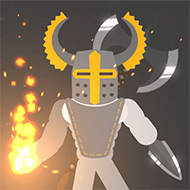
The premise reframes death as a minor inconvenience rather than an ending. Living Spark — the entity you actually control, a sentient soul with no body of its own until it possesses a wooden vessel. Vessel — the flammable wooden construct your Spark inhabits, which splinters, collapses, and burns as it takes damage. When a vessel finally breaks, the Spark doesn’t die, it just escapes and goes looking for a new body, which changes how players approach risk compared to most extraction games where death simply ends the run.
That single design choice — the Spark surviving its vessel — is why GRAIN ROT feels less punishing than its horror-heavy setting suggests, while still keeping every descent tense.
Why GRAIN ROT’s Cursed Elevator Sets the Tone
Every run starts the same way: a cursed elevator drops your crew into shifting underground ruins that rearrange themselves between visits. Early in a run, the layout still feels navigable. By the time you’re several rooms deep, the shifting geometry starts working against your sense of direction on purpose.
New players consistently underestimate how disorienting the rearranging rooms get, and it’s one of the first things community discussion threads bring up when someone asks why their first few runs ended badly.
Smashing Furniture for the Grinder
The core resource loop is blunt: smash furniture inside the ruins, then feed what you collect into the Grinder for gold. It’s a simple system, but the game’s physics engine turns even routine furniture-smashing into something chaotic, since vessels ragdoll and collide with the environment in ways that regularly cause unplanned disasters mid-run.
Builder-focused players tend to prioritize barricading and cover over pure loot collection, since a Builder vessel’s flammability makes shade and shelter a tactical resource rather than background scenery.
Rebuilding the Sanctuary Outpost
Loot hauled back from a successful extraction feeds into rebuilding the Sanctuary Outpost above ground, unlocking new rooms and permanent benefits like extra health, speed, or strength. Once the Outpost starts filling out, runs noticeably get easier, which gives early failures a sense of long-term payoff instead of feeling wasted.
Players who lose everything on a bad run often say the Outpost investment is what keeps them coming back for another descent rather than walking away frustrated.
The East Wing and Resolve Stamina
Among the Outpost’s room upgrades, the East Wing focuses on Resolve stamina and inventory tiers, and community consensus treats it as close to an S-tier priority for anyone trying to push past the early biomes. Ignoring it early tends to be one of the more common regrets players mention once they’ve sunk a few dozen runs into the game.
Murch Workshop, Artifacts, and Blueprints
The Murch Workshop handles artifact coins, a gacha-style ball machine, and blueprint unlocks for new constructs. It’s the part of the loop that rewards hoarding specific loot types over just grabbing whatever’s nearby, and players chasing a specific construct blueprint will often skip easier furniture in favor of artifact-heavy rooms.
How the Rot Escalates in the Deep Layers
GRAIN ROT launched with five biomes total — the three original demo biomes plus two new ones added at full release — and the corruption known as the Rot gets worse the deeper you go, warping enemy bodies, distorting sound, and even degrading your own vessel’s emotes. By the time you’re several Deep Layers down, rot pressure becomes as much a threat as the nine distinct enemy types roaming the ruins.
Once the Rot pressure spikes late in a run, extraction stops being optional — pushing for one more room at that point is how most crews lose their entire haul.
What New Players Get Wrong in GRAIN ROT
The most common early mistake is treating furniture-smashing as risk-free, since the physics engine can send debris or a collapsing structure into your vessel when you least expect it. The second is ignoring the Outpost entirely in favor of just running more raids, when early investment in rooms like the East Wing pays off far faster than repeated undercooked runs.
If there’s one honest criticism players raise consistently, it’s that runs can start to feel repetitive once you’ve cleared the early biomes a dozen times — the shifting room layouts help, but they don’t fully disguise how similar objectives can feel run over run.
The Corrupted and Other Threats
The Corrupted are the game’s signature threat: maddened vessels that react to sound and movement rather than following fixed patrol routes, which means stealth and noise discipline matter as much as combat ability. Coordinated crews who assign someone to scout ahead as a Spark after their vessel breaks tend to survive the Deep Layers far more consistently than groups who push forward blind.
Between the Grinder, the Outpost, and the Murch Workshop, GRAIN ROT gives you a lot of reasons to go back underground even after a run goes badly, and that loop is exactly what keeps crews descending past the point where the Rot starts talking back.