


















Homicipher


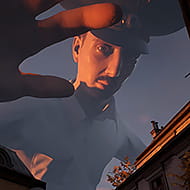







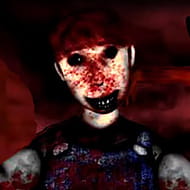


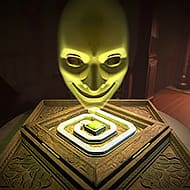
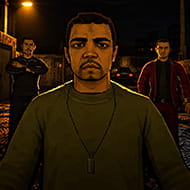
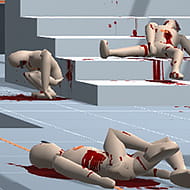
You ease a door open in Homicipher and the room beyond stays half a second too dark before the light catches up, just long enough to make you second-guess stepping through. Homicipher does not overwhelm you with gore or a sprawling plot; it is a tight, low-budget horror game built around a handful of dark rooms, and it earns its tension from timing rather than spectacle.
| Genre | Horror / Exploration |
| Platform | Browser |
| Core Loop | Explore, avoid detection, find the exit |
| Setting | Confined indoor spaces |
| Session Length | Single sitting |
There is no map and no cast of named characters to track. What you get instead is a small set of rooms, a light source, and something in the dark that reacts to how you move. That simplicity is either the whole appeal or the whole complaint, depending on who you ask.
Homicipher’s Sense of a Closing Space
The layout of Homicipher never feels large, and that is deliberate. Corridors loop back on themselves and doors that looked identical minutes ago suddenly feel unfamiliar. A cautious player hugs the walls and checks every corner before committing to a doorway, while a player who just wants to see the end sprints through half-lit rooms and accepts the risk. Getting caught ends the run and drops you back near your last checkpoint, so a mistake in Homicipher costs a room or two of progress rather than the whole session.
Sound carries almost all the tension here. A floorboard creak, a door easing shut on its own, footsteps that do not match your pace — these cues arrive before anything visual does, and reacting to sound over sight is the real skill being tested. Players who mute the audio lose most of the pacing.
Not every scare lands the way it should. Some of the louder moments rely on a sudden volume spike rather than anything built up beforehand, and that is a fair criticism players raise — it startles once and loses its edge on a second attempt.
Light management: your light source is limited, and wasting it on empty rooms leaves less for the moment you actually need it.
Closed doors: a door that was open when you passed it and is closed when you return is never a neutral detail.
Restart pacing: dying resets you close to where you failed rather than back to the start, which keeps the tension high without feeling punishing.
How Long Does It Take to Finish Homicipher?
Most players clear it in a single sitting, well under thirty minutes once they know the layout. It is a short, self-contained scare rather than a long campaign.
Does Homicipher Rely on Jump Scares or Slow-Burn Tension?
It leans more on slow-burn dread through sound cues and closing spaces than a constant stream of jump scares, though a couple of sharp startle moments do land.
Homicipher will not be remembered for a deep story or an iconic monster, but the way it uses silence between footsteps to make an empty hallway feel occupied is a legitimate trick, and it lands more often than it misses.