















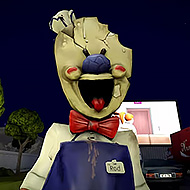
Ice Scream 2: Charlie’s Revenge
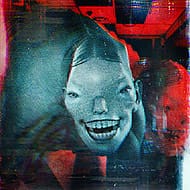
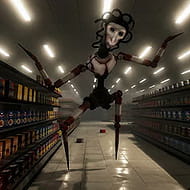
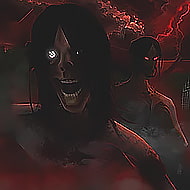



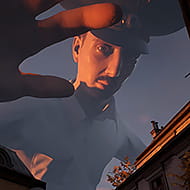






You slip through the side gate behind Rod’s van, heart pounding, holding a can of spray paint you grabbed on a dare. The prank is supposed to be simple: mess with the ice cream truck, get a laugh, walk away. Then a light flicks on inside the van and you realize Rod is home. That single decision is where Ice Scream 2: Charlie’s Revenge actually begins, and it doesn’t let go until you’ve learned more about Rod than you ever wanted to know.
| Genre | Horror puzzle-adventure |
| Platforms | Android, iOS |
| Playable Character | Charlie |
| Main Antagonist | Rod |
| Setting | Rod’s neighborhood and ice cream van |
What Sets Charlie’s Revenge Apart in Ice Scream 2
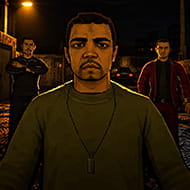
Ice Scream 2 has told the same night from three angles now, and Charlie’s Revenge is the one that finally hands the wheel to Charlie instead of J. Where the earlier Lis’ Kidnapping story cast you as J trying to rescue Lis from Rod’s grip, this story flips the script: Charlie, still shaken from being kidnapped in the very first game, decides he’s done being the victim. What starts as petty payback against Rod quickly turns into something heavier once Charlie starts finding things in the van that Rod clearly never meant anyone to see.
This isn’t a rebalanced version of an old level with a new coat of paint. The pacing is different, the puzzles are rearranged around Charlie’s specific goals, and the emotional register shifts from “escape” to “confrontation.” Players who’ve finished the other two stories in Ice Scream 2 often say Charlie’s Revenge is the one that actually explains why Rod is the way he is, which matters a lot once you reach the flashback sequences.
None of this works if the tension doesn’t hold up moment to moment, and that’s really the test for any Ice Scream game. Charlie has to be resourceful without ever feeling powerful, since Rod is still bigger, faster in a straight chase, and completely unpredictable about when he’ll show up.
Sneaking Past Rod Without Triggering a Chase
Rod doesn’t patrol on a fixed timer here, which is exactly why players who rush get caught early. He reacts to noise, to open doors left swinging, and to lights you forget to switch off behind you. Community regulars on forums repeat the same advice: move in short bursts, check the room before committing to it, and never assume a hallway is clear just because it was clear thirty seconds ago.
Early in the game, before Charlie has picked up anything useful, the safest approach is patience. You’re not fighting Rod, you’re avoiding him, and the difference matters. A few players describe the first van interior as deceptively small, since it loops back on itself in a way that makes it easy to walk in a circle without realizing it. That layout confusion is honestly part of the horror.
By the time you reach the back compartment where Rod keeps his personal belongings, the stakes change. This is where the game the community jokes about as “the diary room” lives, and it’s also where a single careless noise tends to bring Rod running fastest.
Boosters and the Hint System During Tense Puzzles
Boosters exist to take the edge off puzzles that would otherwise stall your run completely, and Charlie’s Revenge leans on them more than the earlier stories did. Some boosters slow Rod’s reaction time for a short window, others reveal a puzzle piece you’d otherwise be hunting for blind.
- Distraction boosters buy a few seconds of safe movement near Rod
- Puzzle-reveal boosters highlight the next interactive object in a room
- Progress-saving means a bad chase doesn’t erase an entire session
The built-in hint system is there for players who get stuck rather than caught, and it’s worth using before frustration sets in, since some of the object combinations in this story are genuinely obscure on a first attempt.
Cutscenes That Rewrite What You Know About Rod
The cutscenes in this story are doing more narrative work than almost anything else in the Ice Scream series so far. One sequence shows an adult Rod speaking to his younger self while a heart burns out in the background, and the game never explains it outright, which is exactly why players still argue about what it means. Another scene ties Rod’s cruelty back to his father, Joseph, and to the way Rod was treated as a kid, without ever excusing what Rod has done to Charlie and his friends.
This is the part of Charlie’s Revenge that divides players. Some appreciate that Rod finally feels like a character instead of a jump-scare machine. Others think giving him a sympathetic backstory sits awkwardly next to everything he’s actually done, including what happened to Charlie in the first game. Both reactions are common in the community, and neither one is wrong.
Once Charlie has seen enough of these fragments, the prank he started with stops being the point. What replaces it is closer to an investigation, and it changes how the final confrontation with Rod plays out compared to the other two stories.
What is Charlie’s Revenge in Ice Scream 2 about?
It’s the canonical story where Charlie, after being kidnapped by Rod in the first Ice Scream game, sneaks into Rod’s van planning a simple prank and ends up uncovering cutscenes about Rod’s childhood and his father Joseph.
How do you avoid getting caught by Rod?
Move in short bursts, close doors behind you, and pay attention to sound cues rather than trying to memorize a fixed patrol route, since Rod reacts to what Charlie does rather than following a script.
Are boosters necessary to finish the story?
They’re not required, but distraction and puzzle-reveal boosters make the back compartment sequence considerably less punishing, especially for players attempting Charlie’s Revenge without prior Ice Scream experience.
Charlie’s Revenge earns its place in Ice Scream 2 by finally letting Charlie stop running, and the version of Rod he uncovers along the way — tied up in Joseph, in that unexplained burning heart, in every locked drawer inside the van — is the reason this story keeps getting brought up whenever players argue about which chapter tells the truth.