























MANDATO












What happens when the loyalty you’ve built your entire adult life around turns out to be covering for people disappearing? That’s the question sitting underneath Mandato, a short first-person horror narrative that trades jump-scare corridors for something closer to a slow political gut-punch.
| Genre | Narrative first-person horror |
| Setting | A Filipino town |
| Protagonist | Juan |
| Runtime | Approximately 35–45 minutes for Chapter 1 |
| Combat | None — narrative and exploration focused |
Juan, Mina, and the Marriage at the Center of Mandato
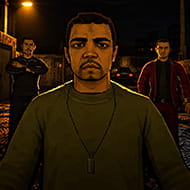
You play as Juan, a devoted supporter of his town’s mayor, whose wife Mina works as a journalist determined to expose corruption she believes is hiding behind the mayor’s public image. That marriage is the emotional core of the game — Juan isn’t investigating out of curiosity, he’s being pulled into the truth almost against his will because of who he’s married to.
Mandato uses that dynamic to build tension without relying on traditional horror-game threats. The scariest thing in the early portions of the game isn’t a monster, it’s the growing gap between what Juan wants to believe about the mayor and what Mina keeps finding.
It’s a structure that rewards players who pay attention to dialogue and environmental details over players expecting constant scares, and that shift in expectations is something worth knowing going in.
The Bar Where the Story Starts
Juan works at a local bar, and it’s here that the story quietly plants its first hooks — overheard conversations between criminals and politicians that Juan initially brushes off as background noise. Early in the game, these fragments don’t mean much on their own, but they accumulate into a picture of bribery, intimidation, and worse tied directly to the man Juan has trusted for years.
The bar setting grounds the story in something mundane before the horror elements start interrupting Juan’s ordinary life, which makes the escalation land harder once it actually begins.
Reading the Room: Documents, Photos, and Messages
Mandato leans heavily on environmental storytelling. Documents, photographs, and overheard conversations are scattered through the town for players to examine, each one adding another piece to the larger mystery Mina is chasing. None of it is delivered through cutscene dumps — you have to actively look for it.
This puts Mandato closer to a walking simulator in structure, a term the community around narrative horror uses often, and it means pacing depends heavily on how thoroughly a player chooses to explore versus how quickly they push toward the next story beat.
Juan’s Smartphone as a Storytelling Tool
A smartphone mechanic runs through the whole experience — Juan receives messages and follows developing events through it in real time, which keeps the story feeling current rather than delivered entirely through static found documents. It’s a small design choice, but it’s the thing that makes Mina’s investigation feel like it’s unfolding alongside Juan’s night rather than something he’s just reading about after the fact.
Why Mandato Skips Combat for Psychological Horror
There’s no combat anywhere in Mandato. The horror comes from atmosphere, dialogue, and disturbing imagery that gradually interrupts what starts as an ordinary night at work. That’s a deliberate choice that puts the entire weight of tension on writing and environmental design rather than on any mechanical threat system.
Players who come in expecting a chase sequence or a stealth mechanic against pursuing enemies will find neither — the developers describe the horror sequences as unsettling and disturbing rather than dangerous in a gameplay sense, which is a distinction worth knowing before starting.
The Mayor’s Shadow Over the Town
The mayor is never physically threatening in the way a horror antagonist typically is, but his influence over the town — over the police, over what gets reported, over who disappears quietly — is the actual source of dread running through Mandato. Once his connection to extrajudicial killings starts surfacing through Mina’s reporting, the town itself starts to feel less like a setting and more like a system working against Juan and Mina both.
Pacing a 35–45 Minute First Chapter
Mandato’s first chapter runs roughly 35 to 45 minutes, which is short even by narrative horror standards, and it’s worth being upfront that this is genuinely a divisive point among players who’ve followed the game — some want a fuller story in one release rather than an opening chapter that ends mid-investigation. That said, the developers have been clear this is intentionally positioned as the start of Juan and Mina’s larger story rather than a complete arc on its own.
What Players Are Already Discussing About Mandato
Given the game hasn’t released yet, most existing discussion centers on the setting itself — a story built specifically around Filipino culture and social issues is uncommon in horror gaming, and that specificity is drawing attention from players interested in narrative horror that isn’t set in a generic small town or abandoned facility. How well the psychological horror elements land once players actually get hands-on time is still an open question everyone following the game is waiting to answer.
Mandato isn’t trying to scare you with what’s chasing Juan through the dark — it’s trying to unsettle you with what Mina keeps finding about the mayor, and that’s a harder, slower kind of horror to pull off well.