













MATILDA


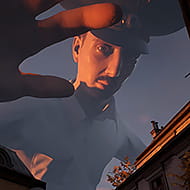

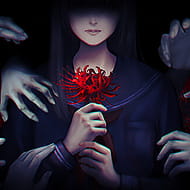
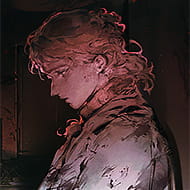
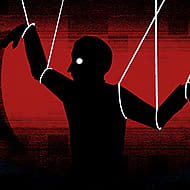


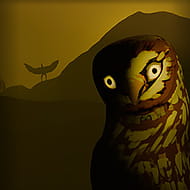
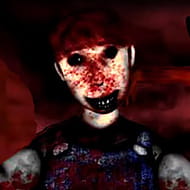
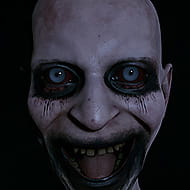

MATILDA looks like it should be a cozy PSX-style throwback about a family game night gone strange — low-poly rooms, a flickering lamp, a sister who just wants to play one more round. It plays like something that never should have let you finish that round in the first place.
| Genre | Survival Horror |
| Art Style | PSX Retro 3D |
| Structure | Multi-Chapter |
| Perspective | First-Person |
The Night Matilda Found a Game Under Her Bed
MATILDA opens on an ordinary night: parents gone, an older sister named Matilda left in charge, and a strange game she finds tucked beneath her bed — one neither of you should have touched. What follows in the first chapter is less about combat and more about dread accumulating in real time, as something answers the game’s rules and enters the house before the night is over.
What players get wrong going in is expecting a jump-scare gallery. MATILDA spends most of its runtime on atmosphere — creaking floors, half-glimpsed shapes, silence that goes on a beat too long — and treats its actual scares as payoff for that tension rather than the whole experience.
The Ritual That Brings Matilda Back
By the end of the first chapter, the family performs a ritual to bring Matilda back after the night’s events take her. It works, but MATILDA makes clear early in the second chapter that whatever answered the ritual didn’t simply return her — it came back attached. That single choice reframes everything that follows, since the entity from the first night never actually left the house, it just went quiet.
Chapter 2: A Phone Call That Isn’t Your Father
The second chapter escalates the stakes considerably. Something calls from the woods and the family disappears, leaving the player alone in the house when the phone rings — and it’s not their father on the other end. It’s the same presence from the first night, and this time it’s taken the whole family, using the call to make that fact explicit rather than letting the player piece it together from clues.
This structural choice — moving from implied threat to a monster that directly communicates with you — is one of the more debated aspects of MATILDA among players who finished both chapters. Some find the direct confrontation a natural escalation; others feel it trades away some of the ambiguity that made the first night so effective.
Hunting Doll Parts in the Forest
- Broken Doll — appears somewhere in the forest whenever the entity takes a family, its scattered pieces hiding the truth behind the haunting.
- The Letter — an old, hidden note that explains the spirit’s history across generations, found separately from the doll hunt itself.
- Only the Child Can See — the game’s central conceit in Chapter 2, where only the player, as the child left behind, can perceive the doll’s pieces at all.
Searching the woods for these fragments while something hunts you at the same time is the core loop of the second chapter, and it shifts MATILDA’s pacing from slow-burn dread toward active evasion — a change players notice within the first few minutes of Chapter 2 starting.
Sound Design and the PSX Look
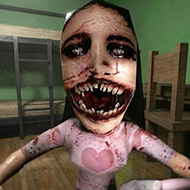
MATILDA’s chunky, low-fidelity visuals aren’t just a style choice — the fog and draw-distance limits common to PSX-era rendering double as a way to hide what’s chasing you until it’s uncomfortably close. Chase sequences lean hard on audio cues, and long-time horror players single out the way footsteps and distant static build tension well before anything is visible on screen.
One frequently repeated criticism in Chapter 2 is that this exact chase tension feels quieter than it did in the first outing — the monster design itself gets praised, but some players feel the pure panic moments that defined the first night don’t return with the same intensity once the doll-hunting objective takes over.
What Makes MATILDA Divisive Among Horror Fans
MATILDA’s biggest strength — its restraint — is also what splits opinion once the sequel changes the formula. Players who wanted more direct confrontation tend to prefer Chapter 2’s phone call and forest hunt; players who valued the original’s slow dread sometimes feel the follow-up shows its hand too early. Both camps agree the atmosphere and PSX presentation carry the experience regardless of which chapter they prefer.
Do I need to play Chapter 1 before Chapter 2?
Yes — MATILDA: Chapter 2 picks up immediately after the ritual that brings Matilda back, and the phone call sequence assumes you already know what happened that first night.
What’s the doll-hunting mechanic actually for?
It’s how MATILDA reveals its backstory — the broken doll’s scattered pieces, found only by the child protagonist, connect to the old letter explaining the spirit’s history in the woods.
Is MATILDA more about exploration or being chased?
Both, but the balance shifts — Chapter 1 leans on slow exploration and dread, while Chapter 2 adds active evasion around the doll-part search.
MATILDA never fully explains what answered that first-night ritual, and it doesn’t need to — between the broken doll, the letter in the woods, and Matilda herself standing in a house that isn’t quite empty anymore, the game leaves just enough unsaid to stay unsettling long after the credits.