













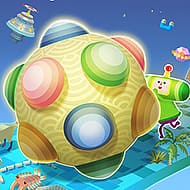


Meikyuu Kumikyoku







Milon doesn’t blink when he’s hit — no invincibility frames, no mercy window, just immediate damage the instant an enemy touches him. That single design choice in Meikyuu Kumikyoku, released by Hudson Soft for the NES in 1986 and later known internationally as Milon’s Secret Castle, is why the game earned a reputation as one of the most punishing platformers of its era.
| Genre | Action-adventure platformer |
| Developer | Hudson Soft |
| Release | 1986 (NES), 1993 (Game Boy) |
| Setting | Castle Garland |
Bubbles as Your Only Weapon
Milon fights exclusively with bubbles blown from his own body, and those same bubbles double as the game’s secret-finding tool. Rooms in Castle Garland are packed with invisible trigger objects, and the only way to reveal them is shooting bubbles into seemingly empty space until something responds.
This mechanic is why Meikyuu Kumikyoku still gets discussed on retro gaming forums decades later — the difficulty isn’t really about enemy patterns, it’s about knowing where to shoot bubbles that nothing visually suggests should be there.
Castle Garland’s Vertical Structure
The castle is split into four stories, and the only way up is defeating the boss guarding the floor below. That sounds straightforward until you realize the actual path to each boss room is hidden behind the same invisible-secret system, so simply reaching the fight is often harder than the fight itself.
Early in the game, players tend to assume the castle works like a typical Mario-style platformer with visible platforming challenges. By the time you’re a few rooms in, it becomes clear Meikyuu Kumikyoku expects you to treat every wall and floor tile as a potential secret.
Maharito and the Missing Instruments
The evil wizard Maharito has seized Hudson Land’s musical instruments, a plot detail tied directly to Milon’s backstory as someone who suffers from a condition affecting his sense of tone. Queen Eliza, who Milon visits before setting out, frames the entire adventure as a rescue mission layered under the platforming.
No Saves, No Mercy
There are no save points in the original release, and running out of lives ends the run completely — though reaching the first crystal opens up the ability to continue. This lack of a safety net is the single most divisive aspect players still bring up when the game comes up in retro discussions.
Once you obtain the first crystal, temporal markers in the run change meaningfully; runs before that point carry far higher stakes than anything after it.
Meikyuu Kumikyoku rewards the kind of player who treats every room like a puzzle rather than a race, and its Game Boy port under the title Milon no Meikyuu Kumikyoku even added a password system that softened the original’s brutal structure. For anyone chasing a genuine piece of Hudson Soft history, Meikyuu Kumikyoku remains a strange, bubble-powered relic worth exploring.