





My Singing Monsters







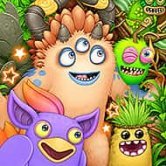
How does a monster-collecting game work when every monster is also an instrument? In My Singing Monsters you place creatures like Noggin, Toe Jammer, Mammott and Potbelly on Plant Island, and each one adds its own voice to a looping song. The game is part island decorator, part breeding project, and part patient music box, and it works because you can hear your progress instead of only watching a counter go up.
| Genre | Monster collecting, music, simulation |
| Starting location | Plant Island |
| Play pattern | Short check-ins with long timers |
| Core loop | Collect coins, breed, hatch, feed |
| Failure state | None |
Plant Island Basics in My Singing Monsters
Everything begins on Plant Island with a small group of starters: Mammott, Noggin, Toe Jammer and Potbelly. Each one plays a sound as soon as it is placed, and together they build the first loop you hear. Early in the game you spend coins on decorations, clear obstacles from the island, and get a feel for how quickly your monsters earn.
Coins come from the monsters themselves, which makes them the backbone of the economy. Monsters produce coins over time, you tap to collect them, and every new arrival adds to the flow you can reinvest. The loop is simple, but it is exactly what keeps the game moving without demanding long sessions.
Casual players who open the app for a few minutes at a time get the most out of this stage, because collecting, feeding, and checking timers all fit into short check-ins. It also sets expectations early: progress here is paced by waiting far more than by skill.
What to Spend Coins on First
A handful of purchases shape the whole early curve, and most new players end up buying them in a similar order.
- The Nursery, so that eggs have somewhere to hatch
- The Breeding Structure, which unlocks new monsters by pairing two you already own
- The Bakery, which produces the food used to level monsters up
- Obstacle removal and decorations, which open space for more monsters
The logic behind that order is about unlocking income. A Breeding Structure without a Nursery leaves your eggs with nowhere to go, and a Bakery matters because fed monsters level up and earn more. Decorations feel optional, but clearing space is what lets the island grow beyond its starting group.
Beginners often overspend on decorations because they look rewarding, then stall while waiting for coins. Putting the first purchases into the Nursery, Breeding Structure and Bakery keeps the economy growing.
Breeding Mechanics That Confuse New Players
Breeding is where the game stops being a decorator and becomes a puzzle. You pair two monsters in the Breeding Structure, wait out the breeding timer, and the resulting egg moves to the Nursery to hatch. You do not choose the result, so each pairing is a small bet that you cannot fully control.
Players deal with that uncertainty by tracking breeding combos, meaning which pairs tend to produce which monsters. The community keeps detailed notes, and most experienced players have a wiki tab open while they play. Common monsters come easily, but Rares such as Rare Mammott depend on specific pairs and a fair amount of luck.
Patient planners enjoy this layer because every timer becomes a decision about what to breed next. The honest downside is that you can run the same pairing several times and get nothing new, which is when the waiting feels longest.
How Layered Songs Shape Each Island
Each island works as its own song, with its own set of monsters and its own sound. Plant Island, Cold Island, Air Island, Water Island, Earth Island, Gold Island and Ethereal Island each feel distinct, and more than a dozen islands exist in total. Monsters do not mix between islands, so the song you build is tied to the place you build it.
Which monsters you own changes how an island sounds, while where you place them mostly changes how it looks. That split lets you play as a decorator and a collector at the same time. Moving a monster is easy, so experimenting never costs much.
Music lovers tend to spend the most time here, since a fuller island really does sound richer. Wublin Island’s electronic character is a sharp departure from the earlier natural islands, and hearing it for the first time is one of the moments players recognize.
Wubbox, Rare Monsters, and Epic Goals
Rare monsters are variants of ones you already know, with different looks and different sounds. Rare Mammott is the usual example people mention, and collecting these is a long-term hobby instead of a quick win. They give experienced players a reason to keep breeding long after the common roster is filled.
The Wubbox is the large structure many players build toward, and the Epic Wubbox sits at the top of most wish lists. Reaching it is a long project that asks for patience across several stages, so most players treat it as a goal to check in on over time rather than something to rush. Completionists chase every Rare and Epic they can find.
The payoff is as much audio as it is collection. An Epic version brings its own layer to the island’s song, so the goal feels musical rather than purely statistical.
Where My Singing Monsters Frustrates Players
Timers are the biggest source of friction. Diamonds can speed things up, and players who skip spending them can still progress, but they wait longer at nearly every step. How much that bothers you depends on whether you enjoy a slow, relaxed loop or want fast results.
Breeding luck is the second frustration, since an egg you wanted may not appear for many attempts. Island access is also gated by player level and by how many monsters you own, so the next island can feel distant when your roster is small. Players who dislike randomness tend to drop off at this stage.
On the other side, the game has no fail state. You cannot lose monsters or fall behind in a way that punishes you, which is why many players keep it running as a background hobby for months.
Questions Players Ask About My Singing Monsters
- How do I get Rare monsters in My Singing Monsters? Rares come from specific pairings in the Breeding Structure, and the exact pair depends on the Rare you want. After the breeding timer ends, the egg goes to the Nursery, where it hatches into either a Rare or a common monster. Because luck is involved, most players repeat the same pairing and keep notes on which combos worked.
- How long do eggs take to hatch? There are two timers to watch: the breeding timer in the Breeding Structure and the hatching timer in the Nursery. Common monsters finish quickly, while rarer ones can take many hours, which is why players often start a pairing before bed. Checking the Nursery before you log off keeps the pipeline moving.
- Can you progress without spending diamonds? Yes, because coins from your monsters pay for the Nursery, Breeding Structure, Bakery and new islands. The difference is speed, since diamonds shorten waits while coins require patience. A player who collects regularly and feeds monsters from the Bakery will still unlock new islands, only more slowly.
My Singing Monsters rewards patience: a Nursery full of eggs, a Breeding Structure waiting on its next pairing, and a Plant Island that sounds a little fuller each week. Accept the timers, enjoy the breeding experiments, and the loop becomes a calm way to build songs one monster at a time.