




















Noise in the void













The floor above your room in Noise in the void never actually goes quiet, not even once, and that single unbroken fact is what the whole story quietly builds on. You’ve moved into an old dormitory to get away from a job that was wearing you down, and the room you land in sits directly under neighbors who apparently never sleep.
| Genre | Visual Novel, Interactive Fiction |
| Setting | Old dormitory, single room |
| Core Mechanic | Dialogue choices under mounting sleep deprivation |
| Endings | Multiple distinct endings |
The Dormitory Room at the Center of Noise in the void
Everything plays out from inside one cramped room, and the game leans hard into that confinement instead of fighting it. You’ve got a bed you can’t use properly, thin walls that carry every footstep from upstairs, and a growing sense that the noise complaints you’d normally file somewhere else just aren’t an option here.
That claustrophobia is doing narrative work from the very first scene, since a visual novel about noise only lands if the space itself feels inescapable.
Players coming in expecting a jump-scare game are often surprised at how much of the early tension comes purely from silence being denied to you, not from anything supernatural yet.
Why Buying the Neighbors a Beer Doesn’t Fix Anything
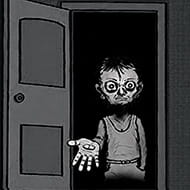
One of the earliest choices available lets you try the diplomatic route — bringing a beer upstairs instead of confronting the neighbors outright. It’s a believable, conflict-avoidant move for someone already exhausted, and the game doesn’t punish you for trying it, but it also doesn’t resolve the actual problem.
Some players found that passivity frustrating rather than tense, since it delays confrontation longer than a horror pace usually wants, while others read it as the whole point — this is a person too worn down to fight, and the story is honest about that cost.
Either way, the beer scene is a useful early signal for how much agency you actually have here.
- Early choices favor de-escalation over confrontation, which shapes the tone rather than the plot.
- The noise itself escalates on a timer independent of what you choose to say.
- Later scenes stop offering the polite option entirely.
When the Noise Stops Being Just Noise
The turn from mundane nuisance to something stranger is gradual rather than sudden, and that pacing is deliberate. What starts as footsteps and slammed doors starts developing patterns that shouldn’t exist — rhythms that repeat too precisely, or continue during hours when logically no one should be moving at all.
By the time you notice something’s wrong with the pattern itself, the game has already stopped being about annoying neighbors.
Chasing All the Different Endings
Noise in the void supports multiple distinct endings, and community discussion around the game leans heavily on comparing which choices lead where. A full-endings run generally means replaying the early de-escalation scenes with different tones — colder, more confrontational, or more withdrawn — to see how the neighbors and the noise respond differently.
That replay value works because the early scenes are short enough not to feel like padding on a second pass.
What Makes Noise in the void Work as Psychological Horror
The game never leans on jump scares to do its heavy lifting, and that restraint is what most positive reactions circle back to. Dread here comes from repetition and denied rest, not from anything leaping out of a dark hallway.
Whether that slow-burn approach lands depends heavily on your patience for a visual novel pace, but for players who stick with it, the payoff feels earned rather than cheap.
- Does buying the neighbors a beer end the noise? No — it’s a de-escalation option that shapes tone and a few early lines of dialogue, but the underlying noise problem continues regardless of whether you take it.
- How many endings does Noise in the void have? The game supports multiple distinct endings, generally reached by varying how confrontational or withdrawn your early dormitory choices are.
- Is Noise in the void more about dialogue or exploration? It’s dialogue and choice-driven throughout, staying inside the dormitory room rather than offering free exploration of the building.
By the time the noise upstairs stops sounding like footsteps at all, Noise in the void has turned a beer offered in good faith into one of the more quietly unsettling choices in the whole story.