

















Photomaly FullSceen






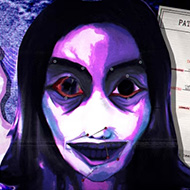
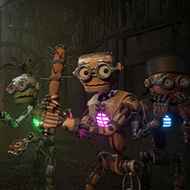





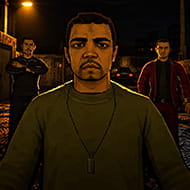
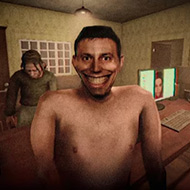
In Photomaly you start behind the counter of a photo studio you never asked to inherit, with a queue of customers waiting and no idea yet that some of them are not entirely normal. That starting condition matters, because the studio itself, left behind by your father, is the one constant across a job that gets stranger the longer you keep the shutter open.
| Genre | PSX-style first-person horror, management sim |
| Perspective | First-person |
| Core loop | Photograph, develop, print, deliver |
| Setting | Inherited photo studio |
Running Your Father’s Studio in Photomaly
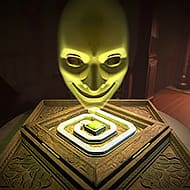
The daily grind sounds mundane on paper: restock supplies, keep upgrades current, and get through the list of customers waiting for portraits. Photomaly leans into that mundanity early on, letting the low-poly PSX visuals and grainy lighting do most of the unsettling work before anything overtly strange happens on camera.
Beginners tend to treat the studio management side as a checklist to rush through, buying upgrades without thinking about how they change the photography workflow, when slowing down to actually study each customer often matters more than clearing the queue quickly.
Photographing and Developing in Photomaly
Taking the photo is only the first step. Film has to be developed under the right conditions before a print can be prepared and handed over, and that middle stage is where a lot of the game’s tension actually sits, since a rushed developing process can produce results nobody wants to see delivered.
Framing customers correctly is not just about composition. Certain angles reveal details in a customer’s appearance that a lazy, centered shot will miss entirely, which is part of why players in forums keep comparing notes on how they positioned specific problem customers.
Customers Who Don’t Seem Quite Right
- Watch for customers whose behavior shifts subtly once the camera comes out
- Check developed prints closely before deciding an order is finished
- Treat unusual requests from a customer as a signal, not an inconvenience
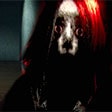
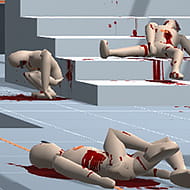
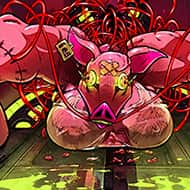
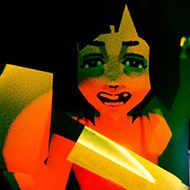
By the time a customer’s photo develops into something clearly wrong, most players have already picked up on smaller cues earlier in the interaction, a small dialogue pause, an odd request, a detail in the waiting room that was not there before. That gap between noticing something is off and actually confirming it on film is where Photomaly gets most of its unease.
One moment players consistently bring up is the specific sound the darkroom makes once a print starts developing wrong, a detail that only really lands once you have sat through it yourself rather than watched someone else play.
Upgrading and Decorating the Studio
Money earned from completed orders goes back into the studio itself, covering both functional upgrades and decoration choices that change the atmosphere of the space you work in every day. Players who enjoy the management layer tend to invest heavily in decorating early, while players chasing the horror content mostly upgrade only what speeds up the photograph-to-print pipeline.
The studio management side has been a divisive point in player discussions, since some feel the shop’s actual gameplay purpose feels thin compared to the strength of the photography and horror loop built around it.
Frequently Asked Questions About Photomaly
- What is the main gameplay loop in Photomaly? Players photograph customers, develop the film under correct conditions, prepare the final prints, and deliver completed orders, all while restocking supplies and upgrading the studio between shifts.
- Why do some customers in Photomaly look different in developed photos? Certain customers are not what they initially appear to be, and developing their film often reveals details a live view or careless framing would miss entirely.
- Is Photomaly based on a true story? No, Photomaly is a fictional horror game built around inheriting a photo studio; any resemblance to real photography businesses or events is part of its fictional atmosphere rather than a documented account.
Photomaly turns a job as ordinary as running a photo studio into something you second-guess every time a customer sits down for a portrait, and once you have caught your first print developing into something your father’s studio was never meant to show, the counter never feels quite as safe again.