
















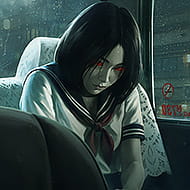
Road To Jukai

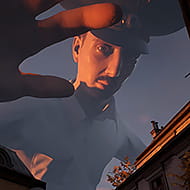



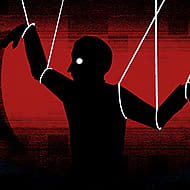





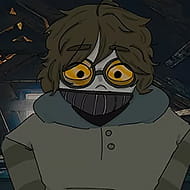

You start your shift with headlights that barely reach the treeline, and somewhere past that edge of the forest a fare is already waiting on a road that doesn’t get much other traffic after dark. Road to Jukai puts you behind the wheel of a night-shift taxi in a remote stretch of Japan, and your job is simple until the passengers stop being simple too.
| Genre | Adventure, Simulation, Psychological Horror |
| Perspective | First-person |
| Structure | Six non-linear nights |
| Endings | Multiple, choice-dependent |
Road to Jukai Turns a Night Shift Into a Horror Framework
The taxi framing is doing more than setting a mood. Driving gives the game a built-in reason to keep you moving between fixed points while still controlling exactly what you see and when, which is a clever way to pace horror beats without resorting to a typical haunted-house layout.
You’re rarely in direct danger from the driving itself, but the vulnerability of being alone in a small, enclosed space with someone you didn’t choose does most of the tension work.
That setup rewards players who treat every fare as a scene to sit through rather than an obstacle to rush past.
The Six Nights Structure and Why It Isn’t Linear
The story spans six nights, but they don’t unfold in a strict order, and details from later nights can recontextualize earlier ones once you’ve seen enough of the picture. That non-linear structure means two players describing their playthroughs can end up comparing genuinely different sequences of events.
It also means paying close attention early pays off more than usual, since a detail that seems throwaway on night one can matter enormously by night five or six.
What “Jukai” Actually Means and Why the Forest Matters
Jukai translates roughly to sea of trees, and the game leans into that image directly — a forest so dense and disorienting that the routes skirting its edge already carry a reputation among locals before anything supernatural even happens. The name isn’t decorative; it’s doing thematic work from the title screen onward.
Long stretches of road bordering that treeline become the game’s most consistently unsettling geography, more so than any single interior location.
Passengers Who Are Never Quite What They Say
Every night brings odd fares with requests that start reasonable and drift somewhere stranger, and the game is careful not to reuse the same reveal twice. Some passengers are clearly hiding something from the first line of dialogue; others seem completely ordinary until a detail late in the ride makes you reconsider the whole conversation.
Community discussion around early builds tends to focus heavily on picking apart which passengers are reliable narrators and which aren’t, since the game rarely confirms either outright.
That ambiguity is clearly intentional rather than a gap in the writing.
Keeping Your Eyes on the Road When Everything Wants Them Elsewhere
The game’s own framing keeps returning to a simple piece of advice — keep your eyes on the road — and treats glancing anywhere else as a genuine risk rather than a throwaway line. That tension between wanting to look and knowing you probably shouldn’t is where a lot of the sustained dread comes from during longer drives.
- Stay focused on the road during unsettling passenger dialogue rather than looking around the cabin.
- Pay attention to small inconsistencies in what passengers tell you about their destination.
- Revisit earlier nights mentally once later details start recontextualizing them.
Choices That Ripple Into Later Nights
Decisions made with one passenger can echo into fares on entirely different nights, which is part of why the non-linear structure matters mechanically and not just narratively. A small kindness or a refusal early on can resurface in a later night’s dialogue in ways that feel earned rather than arbitrary.
This directly answers a question a lot of players ask before starting — yes, choices in Road to Jukai meaningfully affect later content, not just which of the multiple endings you eventually reach.
Chasing the Multiple Endings in Road to Jukai
The ending you land on depends on the accumulated weight of choices across all six nights rather than one single late decision, which makes a second full playthrough feel genuinely different rather than like replaying the same story with a different final screen.
How the Game Handles Its Heaviest Subject Matter
The developers are upfront that the game touches on suicide as part of its subject matter, tied directly to the real-world associations carried by a forest like the one Jukai is modeled on. The writing treats that weight seriously rather than for shock, which is worth knowing before going in if it’s a subject you’d rather approach carefully or skip entirely.
Why Silence Does More Work Than Jump Scares
Long, quiet stretches of driving do most of the atmospheric heavy lifting here, with dialogue and sudden scares used sparingly enough that they land when they do show up. That restraint is consistent with the game’s broader commitment to treating dread as something that builds rather than something that startles.
By the sixth night, Road to Jukai has turned a simple taxi shift bordering that sea of trees into something closer to six overlapping ghost stories, each one changing slightly depending on who you chose to believe along the way.