















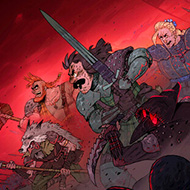
Tears of Metal












You swing Wallace’s blade through the first wave of raiders pouring off the ridge, and for a moment the fight looks routine — until the Emblem you picked up two waves back finally clicks into place and the whole screen turns into falling bodies. That swing is the hook of Tears of Metal: simple enough to pick up in a minute, chaotic enough that no two runs play out the same way once the battalion starts moving.
| Genre | Hack-and-Slash Roguelike |
| Playable Commanders | Wallace, Ruadh Stonecrusher, Vanguard Tracker, Brienne Ironleg |
| Structure | Three Acts per campaign |
| Co-op | Up to four players |
Choosing Your Commander in Tears of Metal
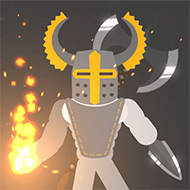
Wallace is the obvious starting point, and most guides say so for a reason: his kit blends survival and damage in a way that forgives mistakes while you’re still learning block timing and dodge windows. Ruadh Stonecrusher plays almost like the opposite — slower, heavier, built for cracking armored elites in boss rooms rather than clearing trash quickly. Vanguard Tracker only opens up after a rescue event partway through Act II, and once that hero joins the roster the game noticeably shifts toward mobile elite-hunting rather than frontline holding.
Brienne Ironleg sits behind a character quest rather than a boss clear, which means players chasing her tend to detour from the main threat push for a run or two. That detour matters because threat level, not just Act progress, decides how much village currency you bank at the end of a run.
None of the four commanders feel like reskins of each other. A game that let every hero clear the same way wouldn’t need this much emblem variety, and the differences show up fastest in co-op, where role overlap gets punished by shared drops.
Emblem Stacking and Threat Level
The Emblem system is where Tears of Metal earns its roguelike label. Emblems drop mid-run and slot into loose families — pick one family early and the temptation to grab every shiny upgrade regardless of synergy is exactly what gets new players killed by Act II. Committed emblem clan stacking is the difference between a build that snowballs and one that just adds numbers without changing how a fight actually plays.
Threat level rises as you push further into a campaign, and higher threat pays more village currency but also throws denser enemy waves and tougher elite spawns at you. Early in the game threat barely matters. By the time you reach the Banshee fight, ignoring it stops being an option.
Village Meta Progression Between Runs
Weapons, trinkets, skins, and Charms carry over between campaigns once unlocked, which softens the sting of a failed run in a way a lot of roguelikes don’t bother with. Emblem tiers and soldier rosters reset every campaign, so the permanence lives in the village hub rather than in any single run.
Soldiers you recruit gain experience across a campaign, but permadeath is real for them — a fallen battalion veteran stays gone until you find a replacement, which changes how cautiously experienced players push objectives compared to someone still learning the map.
Co-op Roles Across the Battalion
Co-op scales enemy density with player count, so a four-player lobby duplicating the same emblem clan on every hero tends to fall apart faster than a squad that splits frontline, elite control, and battalion support. Hack-and-slash purists gravitate toward Ruadh or Wallace for the frontline slot, while players who came from roguelike backgrounds more than character-action ones often prefer Vanguard Tracker for the flexibility of picking off marked targets instead of holding a line.
- Frontline: holds captains and breaks shields with battalion gauge
- Elite control: deletes priority targets called out by the team
- Support: stacks clan emblems so AI troops scale with squad size
What Tears of Metal Doesn’t Explain
The combat barks repeat constantly — the same handful of battle lines play out hundreds of times per run, and it’s one of the most common complaints in player discussions even from people who otherwise love the game. It’s a fair criticism. The variety in enemy composition and emblem builds hasn’t fully reached the audio design yet.
How do you unlock Vanguard Tracker in Tears of Metal?
Vanguard Tracker unlocks through a rescue event in Act II, tied to a specific Environment 12 encounter rather than a simple boss kill, which trips up players expecting a straightforward gate.
What is the best starting hero for Tears of Metal?
Wallace, consistently. His balance between survival and damage output teaches block-and-parry fundamentals without punishing early mistakes the way Ruadh’s slower kit can.
Does progress carry over between co-op runs?
Equipment, Charms, village upgrades, and most cosmetics are account-wide, but Emblem choices and the soldier roster reset whenever a campaign ends or fails.
Whether you’re soloing with Wallace or running elite control as Vanguard Tracker in a four-player lobby, Tears of Metal keeps most of its permanence in the village hub and almost none of it in the run itself — which is exactly why the Banshee fight still feels dangerous on your twentieth attempt as much as your first.