







The No Jumpscare Show
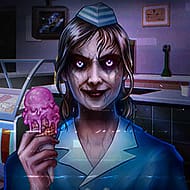

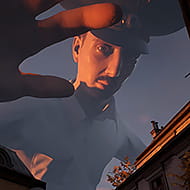


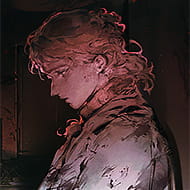
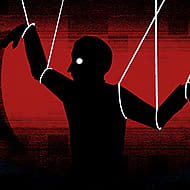
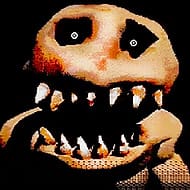
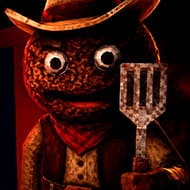
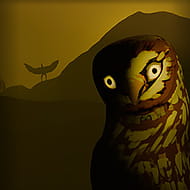
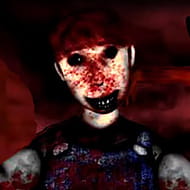
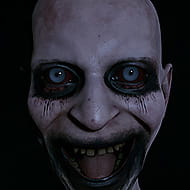
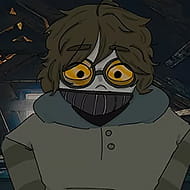
You sign the waiver without reading past the first line, because that’s what everyone does before a haunted house, and thirty seconds later you’re standing in a hallway that smells faintly of static electricity while a voice you can’t place tells you the rules have already changed. That’s the opening beat of The No Jumpscare Show, and it sets the tone for everything that follows: a promise, immediately undercut.
| Genre | Narrative Comedy-Horror |
| Platforms | Windows, Linux |
| Playtime (Part 1) | Roughly 30–40 minutes |
| Perspective | Third person |
| Structure | Single-player, story-driven, split into parts |
Illy’s Bet and the Premise Behind The No Jumpscare Show
The setup is simple enough to explain in one breath: Illy, thoroughly bored of an industry that leans on cheap scares, walks into a haunted house run by a host called Thingy the Thing. The pitch is a $10,000 prize if she makes it through without flinching, on the condition that the show delivers zero jumpscares. It’s a dare dressed up as a game show, and the friction between that promise and what actually happens in the hallways is where most of the tension lives.
What makes this premise work is that it’s not just a gimmick tacked onto a normal horror game — the “no jumpscares” rule is the whole argument the game is making. Every room is built around dread that builds rather than a jump-cut sting, and the game keeps reminding you of that promise right as it starts stretching it thin.
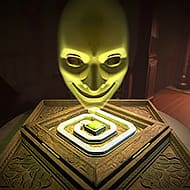
Thingy the Thing narrates almost constantly, and the character work is doing more heavy lifting here than the scares themselves. It’s less “horror game with jokes” and more a horror-comedy where the comedy is the pressure valve, letting a genuinely unsettling hallway breathe before the next one.
Atmosphere and the Dither-Lighting Look
The visual identity leans hard on a black-and-white, screen-space dither look, which sounds like a small technical choice until you’re actually walking through a corridor where shapes only half-resolve at the edges of your vision. It’s a deliberate way of making you distrust your own eyes without needing a cheap sting to do it.
Retro dithering isn’t new to horror as a genre, but the way The No Jumpscare Show applies it — flickering, unstable, closer to a dying television signal than a stylized filter — fits the show-within-a-game framing. You’re always aware you’re being watched and broadcast, which changes how you read every empty room.
Community reaction so far has focused on this exact tension: several players who documented their first runs after the itch.io release specifically called out the chase sequence as the point where the “no jumpscares” promise gets tested hardest, and it’s become one of the most discussed moments among early players.
What Players Get Wrong Going In
The most common mistake is treating the title literally and lowering your guard completely. The game isn’t claiming there’s nothing to fear — it’s making a very specific, narrow promise about one kind of scare, and players who forget that spend the first ten minutes bracing for something the game was never going to do while missing the slower dread it actually delivers.
A second habit worth breaking: skipping through Thingy the Thing’s dialogue to “get to the horror part.” The humor and the horror aren’t separate tracks running in parallel — they’re the same joke told from two angles, and rushing past the host’s commentary strips out half of what makes the later rooms land.
Pacing Across the First Part
Because this release covers only the first half of the story, the pacing is tighter than a full-length horror game — there isn’t room for filler, so almost every scene is doing double duty as comedy and tension-building. Early on you’re mostly being introduced to the rules of the show; by the time the chase sequence arrives, the game has already spent its runtime training you to expect misdirection rather than a scare, which makes the sequence hit differently depending on how closely you were paying attention.
Where the Debate Lands
Not everyone agrees the “no jumpscares” claim holds up completely, and that’s honestly one of the more interesting threads in early discussion around the game — some players report a single moment during the chase that reads as a jumpscare depending on how strictly you define the term, while others argue it fits within the game’s own rules because of how it’s staged. That disagreement is baked into the game’s title and premise, so treat it less as a flaw and more as the exact conversation the game wants you to have afterward.
What Speedrunners and Completionists Focus On Differently
Players optimizing for a fast clear tend to blow past Thingy the Thing’s optional lines entirely, while players hunting for every reaction and alternate line of dialogue will replay early rooms just to hear what changes. Both approaches are valid, but they produce very different impressions of the same thirty-minute story.
Do you need to have played other horror games first?
No — The No Jumpscare Show is built to be approachable even if horror isn’t your usual genre, precisely because the tension comes from atmosphere and character rather than reflex-testing chase mechanics you’d need prior experience to handle.
How long is The No Jumpscare Show?
This release covers Part 1 only, and most players finish it in 30 to 40 minutes, with a second part planned to continue Illy’s story.
Is there an actual jumpscare in the game despite the title?
This is genuinely debated among players; the chase sequence is the point most often cited, though whether it counts as a jumpscare or a staged reveal within the show’s own rules is left open enough that people land on both sides.
The No Jumpscare Show works precisely because it keeps a promise while breaking your expectations about what that promise covers, and the image that sticks with most players afterward isn’t a monster — it’s Thingy the Thing’s voice still narrating after the chase sequence ends, like the show never actually stopped.