

















Unusual Tales: After Bark







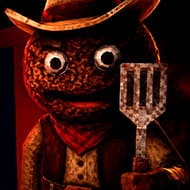

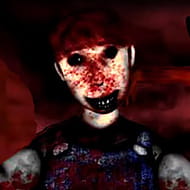

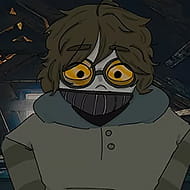

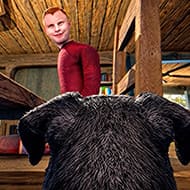
Unusual Tales: After Bark looks like a cozy holiday romp about a good dog on a family vacation, but it plays like a slow unraveling of everything that made the cabin feel safe. Mr Peanut can’t talk, can’t dial a phone, can’t warn anyone directly — and that limitation is where the entire game lives.
| Genre | Psychological Horror, Adventure |
| Perspective | First-person |
| Setting | A family cabin during a winter vacation |
| Release | August 14, 2026 |
Mr Peanut and the Family’s Holiday Cabin
You play as Mr Peanut, a dog whose family decides on a winter getaway that starts ordinary and curdles fast. The cabin itself is the game’s real character — a warm, inviting space at first that slowly reveals rooms and details that don’t belong in a family vacation photo.
What separates this from a generic haunted-house setup is perspective. Everything is filtered through a dog’s field of view and priorities, which changes what counts as a threat and what counts as background noise.
Longtime horror players sometimes expect the twist early. It doesn’t come early, and that patience is deliberate.
The Bark Mechanic and How Warning Works
Barking is Mr Peanut’s core tool — not an attack, but a signal aimed at family members who may or may not be paying attention. Some barks get acknowledged with a pat on the head; others are ignored entirely, and the game never softens how frustrating that can feel.
This single mechanic carries most of the tension in Unusual Tales: After Bark, because success isn’t about winning a fight, it’s about making noise at the right moment and hoping someone listens.
What Beginners Get Wrong Early On
New players tend to treat early barking opportunities as optional flavor, then get caught off guard when a missed warning has consequences later. The game rarely tells you directly that a moment mattered — you find out in hindsight.
Speedrunners and completionists approach this differently than story-focused players, since chasing every achievement, including one called Not Alone Down Here, requires deliberately exploring corners a casual playthrough would skip.
Once the family reaches the deeper parts of the cabin, ignoring Mr Peanut’s warnings stops being a minor inconvenience.
The Winter Wonderland Turning Hostile
The snowy exterior around the cabin starts as pure atmosphere — sledding, wandering, the kind of environment that sells the “family vacation” framing. By the midpoint, that same wonderland becomes a space you’re actively wary of, without the game ever fully explaining the shift.
This is one of the more effective long-tail answers players search for: yes, the horror does extend outside the cabin itself, and the shift in tone outdoors is intentional rather than a technical limitation.
Comedy Against Dread
Unusual Tales: After Bark doesn’t commit fully to dread the way some horror games do. Lighthearted writing sits right next to genuinely unsettling beats, and that tonal whiplash is one of the most discussed and divisive aspects of the whole experience — some players love the balance, others wish it leaned darker throughout.
The comedic beats mostly come through the family’s dialogue and reactions to Mr Peanut, which the full voice cast sells convincingly even when the writing is winking at the audience.
Advanced Timing for Not Fast Enough and Dangerous Road
Achievements like Not Fast Enough and Dangerous Road reward precise timing rather than exploration, and players chasing them describe needing multiple runs to understand exactly when Mr Peanut needs to act versus when waiting is the correct choice.
Casual players finishing the story once will likely miss both on a first playthrough, which has become a point of pride in community discussion around full-clear runs.
Unusual Tales: After Bark and the Wider Anthology
This entry follows Unusual Tales: Deep Below in the same episodic series, and while no prior knowledge is required, the throughline of a doomed main character facing a nightmare situation carries over in tone if not in plot.
Playtime runs over an hour depending on pace, which is short enough to replay for missed achievements without it becoming a chore.
By the final stretch, Unusual Tales: After Bark stops being a story about a spooky cabin and becomes a story about how hard it is to protect people who can’t understand your warnings. Mr Peanut can’t explain what’s wrong, only bark louder — and whether the family listens in time is the question the game keeps circling back to.