





















Your Happy Place











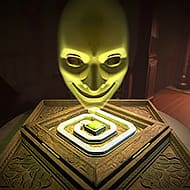
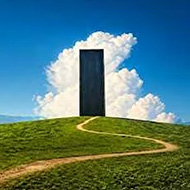
A pastel-toned hallway stretches out longer than any hallway should, and every door opens onto a room that has rearranged itself since you last looked away. That is the shape of Your Happy Place, a short wandering game built around unease rather than jump scares, where a low ambient hum and a handful of dream-like rooms do most of the talking. There is no combat or inventory — the game leans on tone, letting warm colors and wrong geometry carry the discomfort.
How Your Happy Place Rearranges Its Rooms
A staircase can lead back to the same landing you started on. Furniture sits at angles that don't match the floor. None of it is explained, and it isn't meant to be — the appeal sits closer to wandering through someone else's half-remembered dream than to solving a puzzle.
Beginners often hunt for a system that isn't there, looking for a key or a map and coming away frustrated when neither shows up. The better approach is slower: sit with each room instead of trying to clear it.
Sound carries more weight than expected. A faint chime, near-silence, then a low tone that never resolves — the detail people mention first when describing it to someone else.
Why Your Happy Place Divides Slower Players
Some players find the unhurried pace exactly the point, a short moody wander closer to a coffee-break than a long session. Others wish for more of a hook, or any reason for it. Both reactions show up constantly.
Fans of slow, walking-sim style games get the most out of it, since the format rewards noticing small changes over reacting to danger. Players wanting a clearer goal tend to bounce off within the first couple of rooms.
- Soft, shifting color palettes instead of dark corridors
- Ambient sound cues hinting at change before you see it
- Rooms that loop with small differences each time
Is Your Happy Place actually scary?
Not in the jump-scare sense. The discomfort comes from rooms that almost make sense and then don't, plus a soundtrack that never quite settles.
How long does it take to get through?
There's no fixed level count, so pacing is up to you, but most people finish a full wander in a single short sitting.
Is there an ending that explains what's happening?
Not really — some see the lack of explanation as the whole point, others wanted at least a partial answer by the final room.
Your Happy Place isn't trying to be a long game or justify its own logic. It's a short, uneasy wander through rooms that keep rearranging themselves, and that half-remembered quality is what people mean when they call this kind of space dreamcore.