




















The Garden Path








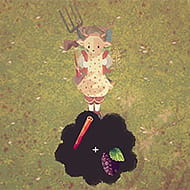
You spawn into an overgrown clearing with nothing but a lantern, a torn page from someone else’s journal, and a single instruction telling you to follow the path south. That’s the entire opening of The Garden Path, and it tells you everything about how the rest of the game works: nobody is going to explain much, and you’re meant to figure things out by wandering, poking at plants, and talking to whoever happens to be around that day.
| Genre | Cozy life-simulator, farming |
| Time System | Real-time clock, four seasons across 28-day months |
| Core Activities | Gardening, fishing, foraging, decorating, quests |
| Multiplayer | Local co-op for two players |
Four Seasons Across The Garden Path
Time in The Garden Path doesn’t pause when you log off. The clock runs in step with the real world, so a season you left mid-bloom keeps changing whether you’re there to see it or not. Each month runs 28 days, and the shift between the four seasons quietly rewrites which plants you can grow, which visitors show up, and which resources are worth hoarding. There’s no calendar screen shouting deadlines at you, which is part of the appeal, but it also means the pacing takes some getting used to.
Early on, most players treat the game like a checklist — water this, harvest that, sell everything — and burn out within a week because nothing forces urgency. The better approach, once you settle in, is to let a session be whatever length it wants to be, ten minutes or an hour, and trust that the garden will still be there tomorrow. Casual players tend to gravitate toward this rhythm fastest, since the whole loop is built around not rushing.
By the time you reach your second full season, you’ll notice the garden looks meaningfully different from where you started — new growth, shifted light, different fauna wandering through. That slow visual turnover is one detail you really only notice from playing rather than reading about it beforehand.
Augustus, Thom, and the Visitors Who Wander In
The people who pass through your garden aren’t standing around waiting for you. Augustus is usually the first face you meet, and he’ll send you off looking for something specific before Thom shows up with an old trowel and a bit of cryptic advice about the note you’re carrying. Neither of them, nor anyone else who visits, sticks around permanently — the roster of who shows up on a given day is loosely randomized, which is a sticking point for a lot of gardeners.
If you’re chasing a particular questline, say one tied to a character like Larto, you may need to keep checking back over several days before he actually wanders into view again. It’s not broken, exactly, but it is one of the more openly debated design choices in the community — some players find the unpredictability charming, others find it a genuine source of friction when they’re trying to finish a specific thread.
- Completionists tend to keep a running mental note of which visitors they haven’t seen in a while
- Story-focused players lean on the community wiki to figure out what a given character actually wants
- Relaxation-first players mostly ignore the schedule entirely and let conversations happen when they happen
Casting for Fish Along the Shoreline
Fishing in The Garden Path skips the usual tension-bar minigame you’d expect from a cozy sim. Cast your line out, then move your cursor around the water until a fish appears inside a bullseye-style target — line it up, and that’s the catch. It’s a small mechanic, but it’s noticeably more forgiving than most farm-game fishing, and it rarely interrupts the mood the rest of the game is going for.
Chasing Constellations to Unlock New Faces
Completing small tasks — pitching a tent, picking a handful of flowers, that sort of thing — earns you stars. Enough stars form a constellation, and finishing a constellation is what actually brings a new character into the garden. It’s a slower unlock method than a simple friendship meter, and it ties the social side of the game to general exploration rather than direct interaction, which some players appreciate and others find a bit indirect.
Uncovering The Garden Path’s Journal Mystery
Underneath the gardening loop sits a quieter mystery thread built around the journal page you start with. Who wrote it, and why it led you here, unspools gradually as you brew tea from foraged herbs and talk through the harder subjects some NPCs bring up unprompted — anxiety, loneliness, the weight of just getting through a day. It’s a tonal shift from the surface-level cheerfulness, and it’s one of the things longtime players point to when they talk about why the game stuck with them.
You’ll also come across collectible notes tied to Lost Spirits and Dust Flies scattered through the garden. Their exact purpose isn’t spelled out, but the working theory in the community is that they gate certain character appearances — one of those systems the game trusts you to piece together on your own.
Where New Gardeners Stumble Early On
The biggest early mistake is expecting a tutorial that actually explains the symbols, tools, and menu icons in any depth. It doesn’t, and the vagueness here is a legitimate criticism raised across reviews — it can take several sessions before basic systems like decorating or resource storage click. The second mistake is treating the game like Stardew Valley or Animal Crossing and hunting for a management layer that simply isn’t there; The Garden Path is closer to a wandering, ambient experience than a farm you’re optimizing.
Why does the visitor list feel random in The Garden Path?
The pool of characters who appear each day is intentionally loose rather than fixed on a schedule, so someone like Larto may skip several days before turning up again. It’s meant to encourage regular short visits rather than one long session per character arc.
What are the notes you collect while exploring?
These are seasonal journal fragments tied to Lost Spirits and Dust Flies, and while the game never states it outright, players generally believe collecting them contributes toward unlocking additional characters through the constellation system.
Is there a wrong way to start The Garden Path?
Not really — you can take the tutorial or skip straight into the clearing, and neither path locks you out of content. Skipping just means you’ll be guessing at controls a little longer before Augustus and Thom show up to nudge you along.
What makes The Garden Path worth sticking with isn’t any single system — it’s the way tending a plot of soil, brewing a cup of tea for Thom, and slowly filling out a constellation all add up to something that feels less like a farming game and more like a place you keep coming back to.