





















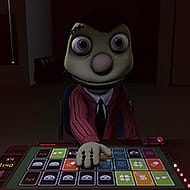


Walk of Life



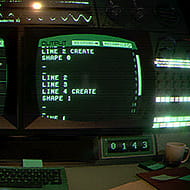


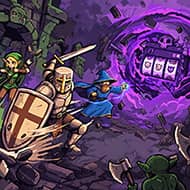







In Walk of Life you start each turn with an apartment waiting to be decorated, a handful of needs to keep in check and only so much time to spend, and that last limit matters more than any pile of cash. This competitive life simulator lets up to six players race through a board game-style rat race, and the winner is not always the richest. Whether you play with friends, bots or by yourself, every action costs something you cannot get back.
| Genre | Competitive life simulator and party game |
| Players | Up to 6, with bots available |
| Structure | Board game-inspired turns on a city map |
| Roles | Workaholic, Scavenger, Mystic and more |
| Goal | Finish as champion by balancing wealth and quality of life |
| Platforms | Windows and macOS |
Time Points and the Rules of the Rat Race in Walk of Life
Time is the real currency of the game. Every action you take spends time points, and once they run out your turn ends, so the question each round is not what you want but what you can afford. That simple rule turns a silly life sim into a genuine puzzle about priorities, and it is the reason two players with the same job can end up with very different results.
Turns are inspired by board games, and you move around a city map where different buildings offer different options for your life. Work, study, shopping and everyday chores all compete for the same limited time. The map rewards players who plan a route in advance instead of wandering from one tempting building to the next.
A common beginner mistake is chasing the biggest paycheck every turn while ignoring everything else. That tends to backfire once your needs start piling up, because the game keeps score on more than money.
Health, Education, Career and Hygiene: The Four Things You Juggle
The core juggling act involves health, education, career and personal hygiene, all while dodging the hilarious curveballs life throws at you. You need to eat, wash and keep yourself healthy, and these needs behave like survival meters in a different genre. The twist is that falling behind does not instantly end your run, but living regularly and well keeps adding to your standing.
Early in the game most players sprint toward income, but the final result depends on overall quality of life as well as wealth. Studying, staying clean and eating properly are all part of the score, which is why the question of how to win Walk of Life has more than one answer. A balanced life can beat a rich but neglected one.
A simple checklist helps when your time points are almost gone:
- Cover the need that will hurt you most if you ignore it another turn.
- Spend remaining time on the action that moves your career or education forward.
- Only then consider treats, shopping and entertainment.
Choosing a Role: Workaholic, Scavenger or Mystic
Before the race starts you take on one of many roles with vastly different playstyles, each with not-so-epic quests that earn bonus points. The Workaholic climbs the corporate ladder, the Scavenger scrounges up valuable artifacts, and the Mystic follows horoscopes. Each one changes what a good turn looks like, so a plan that works for one role can fall flat for another.
Planners and spreadsheet lovers will probably enjoy the steady climb of the Workaholic, where progress is easy to measure. Collectors and treasure hunters are better suited to the Scavenger, whose bonus points come from finding things.
The Mystic is the wildcard, since a role built around horoscopes pushes you to play differently from everyone else at the table. It is the kind of choice that makes rematches feel fresh, even when the map and the opponents stay the same.
Career Ladders From Fry Cook to Bank Manager
Your job is one of the biggest decisions in the game. You might start as a fry cook, aim for bank manager, or push all the way up to the CEO chair, and each step costs time points that could have gone elsewhere. Careers reward patience, but every turn spent at work is a turn not spent on needs or education.
Education usually opens better work later, which makes studying a classic investment trade-off. Spend time now and you may earn more later, but a rival who skips school and works constantly can pull ahead in the short term.
Then there is the lazy route: simply relying on the lottery for your income. It is tempting, it is funny, and it is also the kind of choice that sets up the best stories when it pays off and the worst when it does not.
Your Apartment as a Flex and a Fortress
Decorating your apartment is how you flex your material wealth. A sleek designer couch might say success, but a weaponized robot vacuum guarding it from covetous intruders says something much funnier. The game lets you turn a plain apartment into a showcase of consumer products, and your friends will certainly notice.
The decoration also works as self-expression in a literal sense, since you can shape how your character and home look at the table. It is a small touch, but it gives the game a personality that goes beyond numbers on a screen.
The detail players tend to remember is the robot vacuum. A cleaning gadget doubling as a defense system sums up the tone perfectly: cozy on the surface, competitive underneath, and never quite serious about either.
The Arcade, Fishing and Pets: Side Activities Worth the Time
Between the serious business of work and study, the game offers extras that cost time points and give personality back. The Arcade comes with its own animations, and the game’s own description points to them as a highlight. It is the place to burn a few time points on something that feels like pure play.
Fishing and a pet system add more ways to spend a turn, and a large map called Chailand gives the game a bigger playground to explore. Each of these takes time away from your career, so the real question is whether the reward justifies the cost.
Players who love collecting and customizing will lose hours here, while strict optimizers may skip most of it. Both approaches work, which is part of why the game suits tables with very different types of players.
Playing Walk of Life With Friends, Bots or Alone
The game supports up to six players, and you can duke it out with friends, bots, or by yourself. Playing solo is a real option and not an afterthought, since the bots keep the rat race competitive even when nobody else is around. They are described with a wink as stupid, but they still spend time points and chase the same score.
With friends, the game works as a party game. You can play on the same couch or remotely, and the board game-inspired turns keep everyone watching everyone else’s decisions. Watching a rival sink their time into a questionable lottery run is half the fun.
Families can enjoy it too, since the tone stays light and cartoony. Whichever way you play, a full table of six brings the most chaos, and a game with just two players turns into a sharper contest of efficiency.
Where Players Disagree About the Chaos
The curveballs are the most divisive part of the experience. Some players love how a sudden event can wreck a perfect plan, while others feel punished for choices that were sound. Curators describe the game as lighthearted strategy with unpredictable moments, which is an accurate summary of both the charm and the frustration.
Another point of debate is whether the scoring feels fair. Because quality of life counts alongside money, a player who ignores the shiny paycheck can win, and that surprises people who arrive expecting a straight race for wealth. Once you understand it, the system is a smart way to keep every turn meaningful.
If you want to try the roles, the careers and the apartment decoration without committing to a long session, a short game with bots is the easiest starting point. You will learn how time points work in a few turns, and the bots will happily show you how not to play.
Walk of Life rewards players who treat every time point as precious: pick a role that suits your plan, whether the Workaholic’s climb toward CEO or the Scavenger’s hunt for artifacts, defend your designer couch with that robot vacuum, and remember that the champion is decided by how well you lived and not only by how much you earned.