

























The Lift Playtest





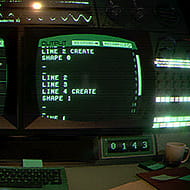






You wake up inside a drifting research complex with one working elevator, a half-charged flashlight, and no idea which floor still has power. That is where The Lift Playtest puts you before it explains a single mechanic. The facility is called the Institute, once humanity’s most advanced research complex, now drifting through the void after a catastrophic incident, decaying room by room while a slow-moving sludge spreads through its corridors.
| Genre | Simulation, Adventure |
| Perspective | First-person |
| Setting | The Institute, a derelict research facility inspired by Soviet retrofuturism |
| Core loop | Repair devices floor by floor using the Lift as mobile base |
What the Institute Actually Asks of You in The Lift Playtest
Once the elevator doors open, the game stops holding your hand. Each floor is presented as its own renovation project, and nothing about the layout gets explained up front. You’re expected to poke around, find what’s broken, and figure out the fix using whatever gadgets are already in your toolbox. The Post Office floor is the one most players see first, since it’s the section shown in the public demo, and it does a good job of setting expectations: a room full of jammed machinery, a couple of powered-down terminals, and an atmosphere that feels wrong long before anything supernatural actually happens.
The renovation work itself splits into two rough categories. Some repairs are physical — tightening a loose screw, propping a bench back into shape, clearing a jam by hand. Others are electrical, and this is where The Lift Playtest genuinely tests you. You’ll be routing cables, identifying fault currents, and managing power supply across a circuit before a machine will so much as flicker back to life. Neither category is difficult in isolation, but stacking several half-broken systems on one floor is what starts to slow players down.
The sludge deserves its own mention, because it’s the detail most players bring up first when they talk about the game. It doesn’t attack you outright, but it spreads, and leaving it unattended on a floor makes every other repair job messier. Treating it as background atmosphere rather than an active hazard is a mistake a lot of newcomers make in their first hour.
Managing the Toolbox and Contextual Inventory
Your gadgets live in a contextual inventory, meaning the game only shows you the tools relevant to whatever you’re currently interacting with, rather than a full grid you have to scroll through. It’s a small design choice, but it changes how you approach a room — instead of memorizing an inventory list, you start recognizing objects by what tool they’ll ask for.
A full-screen inventory view exists for moments when you want to plan ahead, like before heading into a new biome with an unclear list of repair needs.
This is where a fair number of players get tripped up early on: the contextual system rewards curiosity, but it punishes rushing. Walking past a device without inspecting it usually means backtracking later, and on some floors that backtrack costs real time.
The Lift as Mobile Base Across the Institute’s Biomes
The Lift itself isn’t just a loading screen between levels — it’s framed as your actual base of operations while you travel between the Institute’s different biomes. Each biome reworks the visual identity of the facility substantially enough that returning to a previous one after a few hours away feels like stepping into a different game, while the underlying repair logic stays familiar.
- Biomes hide optional secrets tied to the facility’s backstory
- Some devices only make sense once you’ve seen an earlier biome’s version of the same machine
- Characters tied to specific biomes hand out quests that reference systems you’ve already repaired elsewhere
That layering is deliberate. The Lift Playtest wants you connecting dots between floors, not just clearing them one at a time.
Circuit Puzzles and Where Beginners Struggle
The circuit-based repairs are the single biggest wall for new players. Building a working circuit means understanding which components generate torque, which route power, and which will short the whole board out if placed in the wrong order. Nothing in the early floors punishes experimentation harshly, so players who treat the first few circuits as a sandbox tend to have an easier time once the puzzles get denser.
By the time you’re several floors deep, the game stops offering the simple, single-fault circuits from the Post Office and starts layering multiple fault currents into one board. That’s usually the point where players who skipped understanding the basics have to go back and relearn them under pressure.
A smaller but common mistake: assuming every broken device needs a full circuit rebuild. Plenty of them just need a physical fix, and reaching for wiring tools before checking the obvious first is wasted effort.
Advanced Renovation and Reading the Institute’s Secrets
Once you’re comfortable with the repair loop, the more interesting layer of The Lift Playtest opens up — reading the Institute itself as a story you’re uncovering room by room. Environmental details left in half-repaired offices, notes near broken generators, and the state of specific devices all point toward what actually happened during the incident. Players chasing full completion tend to slow down deliberately on later floors just to catch details they’d have skipped early on.
This is also where the recycling-based crafting system becomes worth using properly, since scavenging parts off devices you don’t need lets you build replacements for the ones you do, instead of hoping you already have the right gadget on hand.
How long does a floor take to fully renovate in The Lift Playtest?
It varies heavily by floor complexity and how thoroughly you’re exploring. A floor with multiple circuit repairs and a couple of hidden devices generally takes longer than a straightforward physical-repair floor, and players going for full secrets should expect it to take noticeably longer than players just clearing the visible objectives.
Is the Post Office floor representative of the whole game?
It’s a fair baseline for the repair loop, but later biomes introduce visual and mechanical variety the Post Office doesn’t hint at. It’s a good demo floor precisely because it’s approachable, not because it’s the ceiling of what the game does.
Do circuit repairs get harder as you progress?
Yes, noticeably. Early circuits usually involve a single fault current and a short cable run. Later ones stack multiple faults and require managing power supply across the whole board at once, which is where most player frustration in forums tends to concentrate.
The Lift Playtest works because the Institute never explains itself outright — you piece it together the same way you piece together a broken circuit, one repaired device at a time, and by the time the sludge in the Post Office feels familiar instead of unsettling, you’ve already started reading the facility the way the game wants you to.