











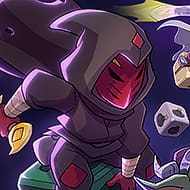
Rune Dice


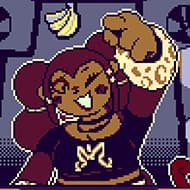



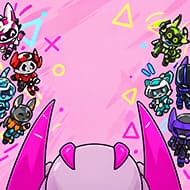


You loose your first throw of the run in Rune Dice, watching two matching dice slide together across the arena and lock into a single, heavier value that keeps rolling into a third. That one chain merge sets the tone for the rest of the encounter: a lucky throw early on can clear half a wave, while a scattered one leaves you scrambling to reposition before the next attack lands. This is the whole appeal of the game in a single throw — physics, timing, and dice value all colliding at once.
| Genre | Deckbuilding Roguelite RPG |
| Platform | Windows (PC) |
| Release Year | 2026 |
| Hero Classes | 8 |
| Average Playtime | Around 10 hours to finish the main story |
Dice Fusion and Chain Combos in Rune Dice
Every encounter starts the same way: you pick a die from your hand, aim across the arena’s physics-based layout, and let go. When two dice of the same value collide, they fuse into a single die worth more, and if that new die lands near another of its own value, the chain keeps going. Early in the game these chains are short and forgiving, but the moment you reach the tougher encounters that show up around the middle of a run, whiffed throws start costing real health. Chain merges are also how you generate the burst damage needed to clear a wave before enemies close the distance, so players quickly start reading the board the way you’d read a pool table rather than a hand of cards.
Missing a merge by a few pixels is common enough that the community just calls it a whiff, and it happens to everyone, not just newer players.
What trips people up first is treating every throw like it should merge on contact. Rune Dice rewards patience more than raw aim: setting up a die in an open pocket so a later throw can sweep through it is often worth more than forcing an immediate fusion. Completionist players in particular tend to slow down once they realize that clearing a board methodically preserves more health than rushing, since damage taken during a messy exchange rarely gets recovered before the next wave. The physics engine adds its own texture here — dice have real weight and bounce, so a throw that looks perfect on paper can still clip the edge of another die and go wide.
The most consistent complaint from returning players is that a stray die occasionally gets flung out of position by a throw’s own impact before it can trigger a chain, an issue patch notes have acknowledged and partially fixed. It doesn’t ruin runs, but it’s the kind of thing you notice by the tenth or fifteenth hour, once your reads on the board are sharp enough that a bad bounce actually feels like it cost you something.
Picking a Class Before the First Throw
The game gives you eight hero classes to start a run with, each carrying different starting dice and a distinct passive that shapes how early fusions play out. Some classes lean into raw damage from big merged dice, others focus on generating extra throws, and a few are built around defensive buffs like Ward, which blocks one point of direct magical damage per stack before it’s consumed. Choosing a class isn’t just a cosmetic decision — the whole first ten minutes of a run change depending on whether you’re throwing for damage or for board control. New players often gravitate toward the most aggressive class because it’s the most forgiving of bad throws, then switch once they realize how much value a defensive kit adds against bosses.
Every class also unlocks multiple heroes with different starting combinations, so no two runs with the same class play quite the same.
The mistake beginners make most often is sticking with a single class long enough to master it, then assuming the same throw patterns transfer cleanly to a different one. They don’t, entirely. A class built around slow, heavy dice wants you to hold back and let the board fill up before committing to a big throw, while a faster class rewards constant small merges. Min-maxers tend to identify a class’s ideal relic pairing within the first couple of runs and then chase that specific combination on every altar visit afterward, which is one of the clearer signs of how build-focused Rune Dice becomes once the basics click.
Relics, Runes, and the Altar Gamble in Rune Dice
Beyond dice themselves, Rune Dice layers in Relics and Runes that quietly warp how fusions behave. Relics tend to be permanent, run-long bonuses — extra damage on chain merges past a certain length, or a flat boost to how far dice travel — while Runes are more situational, letting you manipulate the board directly during a fight. Ancient altars scattered between encounters let you gamble a die you already own for a chance at a stronger upgrade, and the game doesn’t shy away from making that a real risk: lose the roll and you’re down a die for the rest of the floor.
It’s a genuinely tense moment every single time, which is probably the point.
Casual players often skip altars entirely once they’ve been burned by a bad roll, preferring the safer route of gradually building an arsenal through combat rewards and shop purchases instead. That’s a valid way to play, but it tends to cap out earlier against harder bosses, since altar upgrades are one of the few ways to meaningfully spike your power level mid-run. Dispel is a good example of why the gamble matters: it strips one random buff from your hero, and a Relic that reduces how often bosses can use it is often worth the risk of an altar visit specifically to acquire.
Where Bosses Break Your Plan
Boss fights are where every earlier decision gets tested at once. Some bosses summon additional minions to crowd the board and disrupt clean throws, others manipulate the dice field directly, shifting values or blocking off sections of the arena, and the most dangerous ones change the rules of combat partway through the fight. By the time you reach these encounters, a build that only works through raw chain merges tends to fall apart, because the board rarely stays clean long enough for a long combo to develop.
The community vocabulary around these fights is pretty specific — players talk about “reading the field” once a boss starts warping dice positions, and about “banking” a strong die rather than merging it immediately, holding it in reserve for when the boss’s pattern opens up a clean shot. It’s an honest weak point of the game that these late fights lean harder on relic synergy than on pure skill, and some players have been vocal that a couple of the harder bosses feel more like a check on your build than your execution. That criticism is fair, though it hasn’t stopped most people from going back for another run once they find a combination that works.
Common Questions About Rune Dice
How does dice fusion actually work?
Two dice of matching value merge into a single die worth one tier higher the moment they touch after a throw, and if that new die then lands near another die of its own value, the merge chains again. Chains are the main source of burst damage against tougher waves, and landing three or four in a row is usually enough to clear a screen before enemies close in.
What does the Ward buff actually block?
Ward blocks one instance of direct magical damage per stack before it’s consumed, making it one of the more reliable defensive tools against bosses that manipulate the dice field instead of attacking directly. Stacking multiple charges before a boss fight is a common strategy among players who favor a defensive class.
Why do my dice sometimes get stuck instead of merging?
This is a known physics quirk where a die in a tight cluster can get caught by the collision of the throw itself, losing the momentum it needs to hop into a merge. Recent patches have specifically targeted this, so it happens less often than it used to, but it can still occasionally cost a chain late in a run.
Rune Dice earns its replay value from how differently a run can unfold depending on which class you pick, which Relics you gamble for at the altar, and whether Ward or Dispel ends up deciding the fight against a boss that’s busy rewriting the rules mid-encounter. It’s not a flawless system — the occasional stuck die or a boss that leans too hard on one gimmick will frustrate anyone chasing a clean run — but the moment a four-die chain wipes a wave you thought was unsalvageable, none of that matters.