











A Kingdom for Keflings





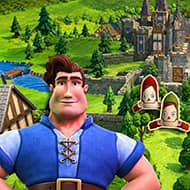
You crouch down, grab a Kefling by the collar, and pull the miner’s helmet off her head. A cowboy hat goes on instead, and without a word she trots off toward the tree line to start chopping. That single gesture is basically the whole language of A Kingdom for Keflings — no menus, no spreadsheets, just picking up a small person and deciding what they do next.
| Genre | City-building |
| Perspective | Third-person, giant-scale |
| Core Goal | Complete the castle |
| Playable Giants | Four preset characters, plus your avatar |
Building the First Factory Loop in A Kingdom for Keflings
Everything starts with a stockpile of raw wood, wool, stone, and magic crystals sitting in a pile with nobody to move it. The first hour is entirely about setting up a chain: someone chops, someone hauls, someone stacks the lumber next to a factory that turns it into planks. Once that factory has enough raw material stored up, it starts producing building pieces on its own, and you drag the finished parts to a plot of land to assemble them into a house, a well, or a tool shed. None of this happens automatically until you’ve physically walked a Kefling to the job.
The game is patient about this. Nothing collapses if you leave a factory idle for ten minutes, and there’s no fire, riot, or unhappy tax base waiting to punish a bad layout. What actually gates your progress is blueprints: new buildings unlock as you complete the ones already assigned, so you’re nudged into building housing before factories, and factories before the fancier refineries that turn plain stone into something a castle needs.
Newcomers usually make the same mistake — they chase every new blueprint the second it appears instead of finishing the resource chain they already started. A half-built refinery sitting next to an empty lumber yard does nothing. Slow down, fill one loop completely, then expand.
Hats, Jobs, and the Kefling Workforce
Every Kefling wears a hat that tells you their current job at a glance — a miner’s helmet for quarrying, a woolly cap for shearing, a cowboy hat for lumber. Reassigning someone is as simple as picking them up, and this tactile control is the part most players remember fondest, because it makes a game about logistics feel like herding actual little people rather than clicking icons on a grid.
Reading the Workforce at a Glance
As your population grows past a dozen or so Keflings, the hat system becomes a genuine management tool rather than a gimmick. You can scan a busy plaza and instantly tell whether you’re short on miners or overloaded on haulers, and rebalance without opening a single menu.
From Mayor’s Office to a Finished Castle
The midgame turns on installing a mayor. Once that building goes up, small local tasks start flowing in, and completing them is what eventually unlocks the path to the castle itself. Players who focus purely on stacking resources without ever building the mayor’s office will find themselves stuck with a pretty town and no forward momentum, which is a common early complaint in community discussions.
- Decorative items like statues and topiary unlock once basic infrastructure is stable
- Paint options let you recolor buildings without spending new resources
- Refineries turn crystals into the magic powder needed for higher-tier blueprints
By the time you reach the castle blueprint, you’ll likely have over fifty structures unlocked in total, and the game keeps handing out new cosmetic options long after the crown goes on someone’s head.
Multiplayer Kingdoms in A Kingdom for Keflings
Up to four giants can share one kingdom, and the drop-in structure means a friend can join mid-session without anyone pausing. It’s genuinely one of the better co-op fits for the genre, since assigning jobs is inherently a two-hands-are-better-than-one task once your Kefling count climbs into the dozens.
It’s worth being honest that the loop does flatten out. Once the castle stands and every blueprint is unlocked, the customization options — statues, paint, topiary — aren’t deep enough to keep every player engaged for the long haul, and that’s a fair criticism you’ll see echoed in reviews and forum threads alike.
Frequently Asked Questions
Does the game end after the castle is built?
No. Completing the castle produces a king or queen, but building and resource gathering continue afterward with no hard stop, so players who enjoy pure city layout can keep going indefinitely.
How do you get more Keflings to move into your kingdom?
Building houses is the trigger — as soon as new housing is available, additional Keflings arrive to fill it, which then lets you assign more of them to factories and quarries.
What’s the fastest way to unlock new blueprints?
Finish existing resource chains rather than starting new factories at random. Blueprints unlock based on completed structures, so a tight, finished loop moves you forward faster than five half-built ones.
A Kingdom for Keflings never punishes you for taking your time, and that’s exactly why the grab-and-reassign loop still holds up — there’s no failure state chasing you, just a castle waiting at the end of however many hats you’re willing to swap.