















Kick The Piñata!
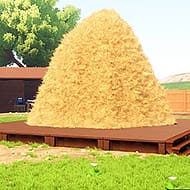



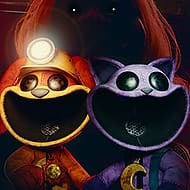

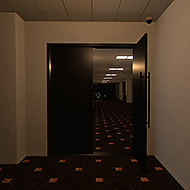
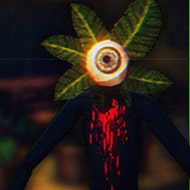

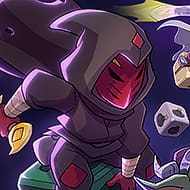
In Kick The Piñata! you start with a basic weapon, an empty room, and a pile of piñatas the game insists — repeatedly, cheerfully — are not alive, which matters a lot more than it should once the horror tags start making sense.
| Genre | Incremental, Casual |
| Art Style | Pixel art |
| Core Systems | Weapon upgrades, Rebirth, home building |
| Estimated Length | 3+ hours of core content |
Starting Small With the Bat in Kick The Pinata!
The opening loop is deliberately unglamorous — you swing, candy flies, numbers go up. Your first weapon, the trusty bat, does the job well enough to teach the timing but not well enough to carry you past the early upgrade wall, which is exactly the point.
Every early upgrade increases how much candy a single swing produces, and stacking those upgrades before branching into new weapon types tends to pay off faster than spreading currency thin too early.
It’s a familiar incremental rhythm dressed up in bright, cute pixel art that makes the grind feel lighter than it technically is.
Why the Ploc Sound Matters More Than You’d Think
Every successful hit lands with a distinct, satisfying ploc, and that single sound cue is doing more work than most players give it credit for. It’s the game’s main feedback signal for whether an upgrade actually improved your swing, which matters once numbers start moving too fast to track visually.
Players optimizing runs closely often play by ear as much as by the numbers on screen.
The Rebirth System and What It Actually Resets
Rebirthing wipes your current run’s weapons and candy total, but it hands back permanent bonuses that make the next run faster from the start. That’s a standard incremental trade, but the pacing here rewards rebirthing earlier and more often than instinct suggests, since the permanent bonuses compound quickly.
New players tend to hold off on their first rebirth far longer than the game wants them to, which is the single most common early mistake.
Rebirth also unlocks new pieces for the home building system, tying the two together more tightly than the store page description suggests.
Building a Stranger and Stranger Home
Each rebirth unlocks new additions to your home, and the game is upfront that these additions get progressively odder rather than just decorative. What starts as ordinary furniture drifts into pieces that don’t quite belong, hinting at whatever the piñatas actually are without saying it outright.
This is where the cute exterior starts doing double duty as a delivery method for genuinely unsettling implications.
Secrets Hidden Inside a Cute Pixel Shell
Beyond the core loop, the game is explicit about having secrets to uncover across its roughly 3-hour core length, and the pixel art style seems chosen partly to disguise how much darker the content underneath actually gets. Players sweeping every corner of the home building system tend to be the ones who find them first.
Reading the Horror Tags Seriously in Kick The Pinata!
The horror and psychological horror tags aren’t a marketing accident. The game repeatedly insists everything is normal and fine, which in horror storytelling is almost always a signal that it isn’t, and the contrast between the cheerful smashing loop and that undertone is the whole appeal for players drawn to the tags in the first place.
Fans of games that hide something wrong behind a cozy surface will recognize the trick immediately.
Why “They Are Not Alive” Keeps Showing Up
The line reappears often enough in the game’s own marketing and framing that it reads less like a joke and more like a character insisting on something a little too hard. Whether that pays off narratively or stays purely atmospheric is exactly the kind of thing players debate once they’ve cleared a full run.
Does rebirthing in Kick The Pinata! reset the home building progress?
No — rebirth resets your current weapons and candy total, but home building unlocks and permanent bonuses carry forward, which is what makes early, frequent rebirths worth doing.
How long does it take to see everything in Kick The Pinata!?
The core content runs around 3-plus hours, though players hunting every secret tied to the home building system and the darker undertone typically spend longer than that.
Is Kick The Pinata! actually a horror game?
It’s tagged both casual incremental and psychological horror, and that’s accurate — the smashing loop plays light and cute on the surface while the home building system and recurring “not alive” framing build toward something considerably darker underneath.
By the time your home is full of additions that clearly don’t belong there, Kick The Piñata! has turned a cheerful ploc into one of the more effective bait-and-switches in recent incremental horror.