
























Last Pill Bar
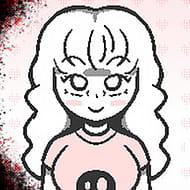


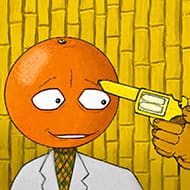
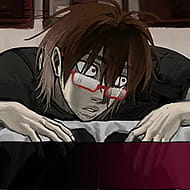

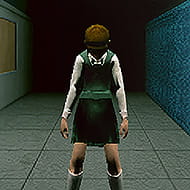



There’s a virus outbreak outside, and you’re still behind the bar because the bills don’t stop coming during a pandemic. That contradiction is the entire engine of Last Pill Bar: a first-person bartending game where every shift is really a triage decision dressed up as small talk and drink orders.
| Genre | Narrative / Simulation |
| Perspective | First-person |
| Length | Around 1 hour |
| Core tension | Limited money to protect regulars from the outbreak |
Working the Bar During an Outbreak in Last Pill Bar
Each shift puts you behind the counter taking orders, pouring drinks, and keeping impatient customers from walking out, which sounds like a straightforward service-sim loop at first. What complicates it is the premise sitting underneath: alcohol is treated in-game as offering real protection from the virus, so every pour is also, quietly, a decision about who you’re helping stay safe and who you’re not.
Regulars come in across the shifts to drink, vent, and occasionally make your job harder, and the game structures its story through who you choose to spend time with rather than through a fixed script everyone gets equally.
Players used to slower, more relaxed bartending sims tend to be caught off guard by how quickly Last Pill Bar turns “who do I serve first” into a genuinely uncomfortable question once the outbreak framing sinks in.
Drinking Contests and the Economics of Last Pill Bar
The best way to properly protect someone is a drinking contest after your shift, which costs the bar’s limited money and can’t be offered to everyone. This is where Last Pill Bar draws its sharpest edge: you’re not just choosing who to talk to, you’re choosing who gets the resource that might keep them safer, and the bar’s finances make sure you can’t be generous with everyone.
That scarcity is the most argued-over part of the game in player discussion — some feel it forces meaningful, difficult choices the way it’s meant to, while others find the framing of alcohol-as-protection uncomfortable to sit with for a full playthrough, and both reactions are common enough to be worth knowing going in.
Regulars who get more of your attention across shifts eventually reach the end of their personal arc, which rewards players who commit to one or two relationships rather than spreading their limited time evenly across everyone at the bar.
Pub Games and What Happens After Hours
Once the bar closes, Last Pill Bar shifts into a set of pub games inspired by familiar party staples like Never Have I Ever and beer pong, played out with the regulars you’ve chosen to drink with. These after-hours sequences are where characters say things they wouldn’t from the other side of the counter, and they function as the emotional payoff for the choices you made earlier in the shift.
It’s a small but effective structural trick: the bar itself keeps people at a professional distance, and the after-work drinking is where that distance finally breaks down.
How do drinking contests work in Last Pill Bar?
You spend the bar’s money to challenge a regular to a contest after your shift, which is framed as the most effective way to properly protect them from the outbreak. Because the money is limited, you can’t afford to do this for every regular, which is the central choice the game keeps putting in front of you.
Does who you talk to in Last Pill Bar actually matter?
Yes — sticking with a particular regular and asking about their life eventually leads to the end of their individual story, while spreading your attention thin across everyone tends to leave most arcs unfinished by the time the game wraps up.
How long is a full playthrough of Last Pill Bar?
Roughly an hour, which is short enough that the choices about who to protect feel deliberate rather than accidental — there isn’t enough runtime to help everyone by default.
Last Pill Bar earns its short hour by refusing to let you be generous to every regular who leans on the counter, and by the time the pub games start after your final shift, the drinking contests you could or couldn’t afford say as much about the story as anything anyone tells you directly.