























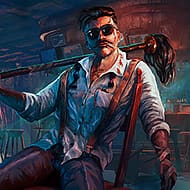
Roadhouse Simulator










One detail sets the tone for everything in Roadhouse Simulator before you’ve even poured your first drink: the roadhouse you’re inheriting sits on a stretch of Route 66 that the law barely bothers to patrol, and Uncle knows it.
| Genre | Simulation, Management |
| Perspective | First-Person |
| Player Role | Uncle |
| Setting | A rundown roadhouse on Route 66 |
Life Behind the Bar as Uncle
Roadhouse Simulator hands you the keys to a barely-standing bar and lets the day-to-day grind teach you the rest. Early shifts are about the basics: pouring beer, washing dishes, scrubbing restrooms, and keeping the shelves stocked while customers trickle in off the highway. None of that sounds dramatic on its own, and that’s the point — the game establishes a mundane baseline specifically so it can pull the rug out from under you the moment tension in the room spikes.
As Uncle, you’re not just serving drinks. Different brews affect customers in noticeably different ways, and serving the wrong person the wrong drink at the wrong moment can escalate a quiet night fast. New players consistently underestimate this — the most common early mistake is treating every customer transaction as identical instead of watching who’s already had a few and who’s clearly here looking for trouble.
Management-minded players lean into hiring bartenders, servers, cleaners, and bouncers as soon as the bar can afford them, freeing Uncle up to focus on the bigger decisions rather than every pour. Players who prefer hands-on control tend to keep staff minimal deep into the game, wanting to personally read every room themselves.
Reading Bar Tension Before It Breaks
The bar tension system is where Roadhouse Simulator earns its edge over a typical service-sim loop. Rival gang members and drunk regulars share the same floor space, and the game tracks how close the room is to a brawl based on who’s near whom, how loud things have gotten, and how long you’ve left a brewing argument unattended. Step in at the right moment and you defuse it; step in too late and furniture starts flying, which costs you repair money and customer goodwill in the same breath.
Once fists start swinging, Roadhouse Simulator briefly turns into something closer to a brawler, and how well you can physically handle yourself as Uncle becomes just as important as your service skills. This is the aspect players discuss most in early reviews — some find the shift from calm bartending to sudden physical confrontation exhilarating, while others feel the fight sequences interrupt the management flow more than they enhance it.
The Fight Club Side Hustle
Beyond breaking up spontaneous brawls, the roadhouse eventually opens up an organized fight club as one of its side attractions, complete with its own betting tutorial for players willing to wager on the outcome rather than just manage the bar around it.
Pig Races, Moonshine, and Side Hustles
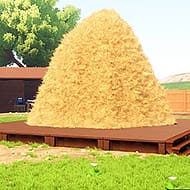
Not every source of income at the roadhouse comes from the taps. Pig races run out back as a lighter, betting-driven distraction, complete with their own tutorial for placing your first wager, and distilling your own moonshine adds a production loop on top of the standard drink-serving economy. Moonshine distilling in particular rewards players who treat it as its own management track — sourcing ingredients, running the still, and timing sales around when demand for stronger drinks spikes among the regulars.
By the time you’ve unlocked vending machines and started expanding past the first few tables, the roadhouse stops feeling like a single bar and starts feeling like a small, slightly lawless business empire.
Gangs, Cred, and the Sheriff’s Visits
Rival gangs treat the roadhouse as neutral ground, and Uncle’s relationship with them runs on a cred system built from how you handle their presence — whether you look the other way during a shady back-room deal or shut it down before it draws attention. Building cred with the gangs opens up deals and protection; mishandling it invites exactly the kind of conflict the bar tension system is built to punish.
Layered on top of all this is the sheriff, whose periodic inspections force you to think about what’s currently sitting in plain view. Keeping a clean-looking bar during a drug-related side objective, for instance, means timing your riskier activity around when the law isn’t due to walk through the door. Forum threads around the game keep circling back to how tightly the gang reputation and law enforcement systems interlock — annoying one side of the equation tends to complicate the other almost immediately.
Uncle’s rise from bouncer to owner works because Roadhouse Simulator never lets the roadhouse feel fully safe, even once the shelves are stocked and the regulars know your name, and every pig race or moonshine batch is still one bad night away from ending in a brawl the sheriff wasn’t supposed to see.