


















Mycopsychosys: Project Jupiter

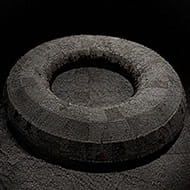







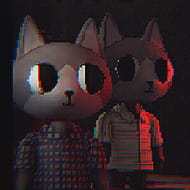

In Mycopsychosys: Project Jupiter you start as the newest recruit at the Plague Control Department, with a desk, a stack of forms, and a partner nobody warned you about. Outside the office windows a deadly new infection is moving across Spain, but your first problem is an argument about paperwork. That mismatch between small office irritations and a spreading outbreak is the hook of the whole game.
| Genre | Workplace survival horror with investigation |
| You play as | Hugo, a rookie PCD officer |
| Locations | The PCD office and contaminated field zones |
| Story style | Non-linear, told in chapters |
| Content notes | Gore, body horror, drug use, violence |
| Mode | Single-player |
The Newest Recruit’s Desk at the Plague Control Department
Hugo is a rookie officer who has landed in a job far beyond his expectations, and the game is happy to let him feel out of his depth. His days at the PCD are built from paperwork, inspections, awkward coworkers, and endless bureaucracy. The store description admits that most days look exactly like this, which is a surprisingly honest way to open a horror story.
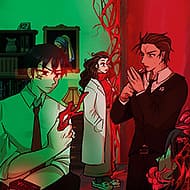
The office works as a character study before it works as a threat. Each coworker is an eccentric civil servant with their own habits, grudges, and secrets, so learning the room is as important as learning the case file. Players who enjoy visual novel style dialogue will feel at home here, because bonding with the cast is part of the design.
Under the flickering fluorescent lights, nothing feels urgent yet.
Office Politics as a Gameplay Layer in Mycopsychosys: Project Jupiter
Most horror games keep their safe spaces empty. Here the safe space is crowded, noisy, and slightly toxic, and that makes the contrast with the field much sharper. Talking to coworkers is not filler between missions; it is where you pick up the human context that makes the infection matter.
Your partner is the most important relationship in the game, and the description is clear that this person is difficult to trust. That single line changes how every field mission feels, since you are exploring dangerous ground beside someone whose motives you cannot read. Detective-minded players will treat that uncertainty as a clue in itself.
Because the story is non-linear, the order in which you meet people and uncover information can shape what you understand and when. The honest trade-off is that a branching, conversation-heavy structure asks for patience, and players who want constant action may find the office stretches slow.
Case Rhythm: Briefing, Field Run and Evidence
The game alternates between office life and dangerous field expeditions, and a typical case seems to follow a steady rhythm:
- Receive the case and absorb the office chatter around it
- Travel to the site with your partner
- Explore the area and collect clues
- Piece the evidence together and see how the larger story shifts
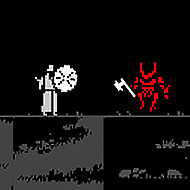
Clue gathering is the engine of the investigation. The tags and description point to a blend of puzzle sections, platforming, hidden object searches, and top-down exploration, all dressed in a pixel art look with a 1980s feel. That variety keeps the pacing from settling into one repeated action.
Once Hugo is deployed, routine inspections can turn into survival missions with very little warning, and the contrast with the quiet office is what players tend to remember first.
Contaminated Zones, Abandoned Facilities and the Body Horror Line
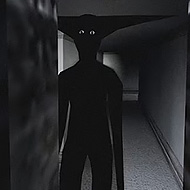
The field is where the tone changes. Contaminated zones and abandoned facilities replace the office, and the game leans into its survival horror and psychological horror tags. The developers list death, gore, body horror, drug use, and violence within the context of crime scenes and a zombie-like virus, so it is a good idea to check those notes against your own comfort level.
By the time you push into the deeper locations, the story starts suggesting that the disease may not be natural. Forces far greater than the PCD appear to be involved, which turns individual cases into a growing conspiracy. This is where lore hunters will start connecting the dots that the early office scenes quietly planted.
The mix of dark subject matter and workplace humor will not suit everyone. Some players love the tonal whiplash, while others would prefer the horror to stay consistently serious, and both reactions are fair.
Reading the Early Access Chapter of Mycopsychosys: Project Jupiter
The game is in Early Access, with the main storyline of the first chapter playable out of three or four planned for the full game. Secondary missions are not available yet, and smaller stories about the cast are expected later. Treat what you play now as the opening act rather than the complete picture.
Expect some rough edges. The developers say this is their first public release and that bugs are possible, and the game currently supports English only, with translations planned. Players often call this the wait and see approach: some jump in early to support the project, while others wait until more chapters are done.
Chapter updates are described as taking months, with smaller fixes arriving more often. Those who play now are invited to share feedback on the story, the puzzles, and the new mechanics, so the first chapter doubles as a conversation with the people making the game.
Quick Answers Before You Join the PCD
Can I play Mycopsychosys: Project Jupiter in a language other than English?
Not right now, since the game currently supports English only. Translations into other languages are planned for the full release, so players who need another language may prefer to wait for later chapters.
Does Mycopsychosys: Project Jupiter follow a fixed story order?
The narrative is described as non-linear, so the sequence in which you meet coworkers, investigate cases, and collect clues can matter. Hugo’s progress through the PCD is shaped by those discoveries rather than by one straight line.
What kind of mature content does Mycopsychosys: Project Jupiter include?
The content notes list death, gore, body horror, drug use, and violence, set within crime scenes and a zombie-like virus. Field missions in the contaminated zones carry the strongest material, while the office scenes lean on tension and dark humor.
Mycopsychosys: Project Jupiter is strongest when you let Hugo’s paperwork days and the PCD’s strange coworkers lull you before the next contaminated zone breaks the calm. Keep a careful eye on your partner, treat every clue as part of the bigger conspiracy, and the outbreak in Spain slowly stops feeling like a backdrop.