













Invokyr



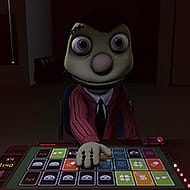



What do you do when the one die that could rescue your group has already been spent, the Gamemaster is waiting at the board, and your friends are three rooms away? That is the kind of problem Invokyr hands you within the first few minutes, and it never really stops. This co-op horror game turns a dusty 1970s board game into a deadly series of dice rolls, with an abandoned manor as the playing field.
| Genre | Co-op survival horror |
| Players | 1 to 6 |
| Perspective | First-person |
| Platform | Windows PC |
| Core Loop | Roll dice, survive monsters and events, reach the end of the board |
| Content | More than 15 monsters, more than 20 events, four themed boards |
Rolling Against the Gamemaster in Invokyr
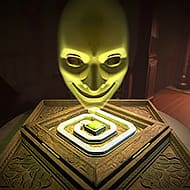
The setup is simple and unsettling: you are trapped in a cold, dark house, a dusty board sits on the table, and a whimsical but bitter voice says it is time to play. That voice belongs to the Gamemaster, the cursed host who rules the house and will not let anyone leave until they reach the end of the board. Every roll of the dice sends another otherworldly sound echoing through the manor, and what follows can be a trap, a curse, a monster or an event.
Progress runs through increasingly dangerous boards that climb toward the ultimate Invokyr Board. Between boards you can spend what you earned in the shop on upgrades and equipment, so surviving one round makes the next one slightly more manageable and the rule combinations slightly nastier.
Nothing here repeats exactly.
Early Access already holds more than 15 monsters and more than 20 events, and the shifting house rules mean two runs rarely feel alike. That variety is the main reason groups keep rolling after a disastrous first attempt.
Single-Use Dice and the Cost of Rolling Early
Dice are the heart of the game, and you do not start with many. They are hidden throughout the house, so you search rooms to recover them, and each one can only be used once. That makes every roll a small financial decision: spend a good die now and it is gone when the board gets worse.
Some special dice can heal you, hide you or hinder whatever is hunting you, but nothing comes without a cost. A die that saves one player can quietly set up the next problem for the whole group.
Before anyone rolls, careful groups agree on three things:
- Who is carrying which dice, so nobody assumes a teammate holds the healing die.
- How far everyone is from the board, since a roll made while scattered is riskier.
- Which route leads out of the room if a monster appears.
Cautious planners will hoard dice until the last possible moment, while chaos-loving players treat every roll as a reason to cheer. A mixed group usually ends up arguing about it, which is half the fun.
Cursed Idols and the Race to Score on the Board
Cursed idols add a second layer on top of the dice. You find idols in the manor and carry them to the board, where they add points toward a target for the current round. Clear the target and you unlock additional dice for the next roll, often with more useful or less risky effects, which turns exploration into real strategy and not just a scavenger hunt.
More than a dozen dice and cursed idols exist in total, and each one is powerful but sometimes dangerous. Learning which idol is worth carrying through a dark corridor is a skill that only comes from losing a few runs.
Once the idol points start adding up, the question changes from whether you can survive this round to whether you can afford to go back for another idol. Players who like squeezing every point out of a board will love that tension, while groups that only want to reach the end have to decide how much risk an extra idol is worth.
Jungle, Icy Mountain and Desert: How the Boards Change Invokyr
At the start of Early Access the game offers four themes: Classic Board Games, Jungle, Icy Mountain and Desert. Each theme changes the board you are playing on and the dangers around it, so instincts built on one board do not always carry over to the next.
Progression runs from one themed board to the next, and by the time you reach the later boards the rule combinations are noticeably more dangerous. The goal is always the ultimate Invokyr Board, which stands as the final test for any group.
The house itself shifts as well, and the game’s own description mentions an oversized toy chest among its biomes. A familiar room suddenly feeling enormous and hostile is one of the cleverest ways the game plays with the board game premise.
Staying Oriented Inside the Manor
The manor is a labyrinth of rooms, and the game warns that if you lose your way you may never make it back to the board. Exploration is how you find dice and idols, but every extra room you search pushes you further from the table, where the rolls actually happen.
Beginners often wander room by room without a route in mind, then discover that the way back is longer than the way in. A habit that helps is treating the board as home base and leaving only when someone announces which direction they are heading.
Every roll is followed by an otherworldly sound that echoes through the house, and that sound is your cue that something new is now moving through the manor. Learning to read that moment, and to decide whether to keep searching or run for the board, is the real skill of the game.
Six Players, One Gamemaster and the Choice to Leave Someone Behind
Invokyr supports 1 to 6 players, and playing with a full table changes the mood completely. You can work together, or you can leave a teammate behind when the board turns ugly, and the game is upfront that death is not always the end.
The tone sits between horror and dark comedy, with a Jumanji-style premise of a game that wants to be played. Previews compare it to Lethal Company and R.E.P.O., which makes sense because the best moments come from friends shouting over each other and not from silent strangers.
Solo players are not locked out. Playing alone means you carry every die, make every roll and answer to the Gamemaster by yourself, which turns the game into a tense puzzle about when to risk searching another room.
Replayability Doubts During Early Access
Early Access is expected to last around a year, with updates planned around new themes, monsters, events and items. That matters because the current content is solid but finite, and the plan for 1.0 includes more boards, dice, cursed rules and upgrades.
The biggest question in early impressions is whether the loop has enough depth for more than a handful of runs. Dice are luck-driven by nature, and some players will always feel a bad roll was unfair, no matter how the Gamemaster plays.
The sensible approach is to treat the current content as a strong foundation instead of a finished box. If your group enjoys chaos and shouting across the manor, the missing variety will bother you far less than the first few nights suggest.
Questions Players Ask About Invokyr Before a First Run
- Can you play Invokyr alone? Yes. The game supports 1 to 6 players, so you can face the Gamemaster solo. When you play alone you carry every die and every idol yourself, which makes route planning between the manor and the board even more important.
- How do dice and cursed idols work together? Dice are single-use and found by searching rooms, while idols are carried to the board to score points. Meeting the score target unlocks additional dice for the next roll, so idols are how you earn better dice after your first few are spent.
- What can you do in Early Access right now? You get several themed boards, more than 15 monsters, more than 20 events, a shop and progression between boards, all leading toward the ultimate Invokyr Board. Expect more themes, monsters and cursed rules to arrive through updates.
Invokyr works best when your group treats the Gamemaster as a host who cheats politely: save your best dice for the worst board, carry idols back to the table before the score target slips away, and never wander so far into the manor that the Invokyr Board is out of reach. Once the sound of a roll echoes through the house, the only real decision is who plays the next die.