




Legally Distinct, Planetary Based, Suika Game Clone for Playdate
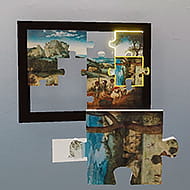





The crank in Legally Distinct, Planetary Based, Suika Game Clone for Playdate isn’t just an alternate control scheme, it’s often the more precise way to line up a drop once the board starts filling up. That small detail says a lot about how much care went into adapting the merge-the-shapes formula to a handheld with a crank built into its side, planets and all.
Merging Planets From Smallest to Black Hole
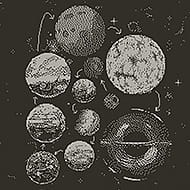
The core loop is instantly familiar if you’ve touched any version of this genre before: drop a planet, let it fall, and when two identical ones touch they merge into the next size up. What starts as a scatter of tiny rocks slowly climbs toward recognizable planets, and if you’re patient and lucky enough, all the way up to a black hole. Reaching one is treated as a genuine milestone in the community, the kind of moment players screenshot and share.
Early in the game the board feels forgiving, with plenty of open space to plan drops. By the time you’re juggling mid-size planets, though, the margin for error shrinks fast, and a single careless drop can trigger a chain reaction that either saves your board or buries it.
Score climbs alongside merges, but it’s the combo system layered on top that turns casual play into something players actively optimize for.
Why the Crank Beats the D-Pad in Legally Distinct, Planetary Based, Suika Game Clone for Playdate
You can position your planet with the left and right buttons or with the crank, and while both work, players who’ve spent real time with the game tend to settle on the crank for anything requiring precision. It offers finer control over horizontal placement than a binary left-right input ever could, which matters once you’re trying to slot a planet into a narrow gap between two larger ones.
Dropping is handled with down, B, or A, keeping the actual input simple even as the crank raises the skill ceiling. This is a small piece of design, but it’s the kind of detail that separates a lazy port from something built with the handheld’s quirks in mind.
Combo Chains and the Push to Keep Merging
Merging isn’t just additive here; keeping a chain of merges going multiplies your points well beyond what a single lucky drop would earn on its own. This pushes players toward setting up deliberate cascades rather than just clearing whatever’s convenient, and it’s the main reason high scores vary so wildly between casual players and people who’ve studied the merge tree closely.
The menu button surfaces that merge tree directly, letting you check which planet leads to which before committing to a risky drop. Score-chasing players treat this screen almost like a reference sheet, while more casual players tend to ignore it and just play by feel.
One acknowledged rough edge here is a physics quirk where planets can stack on top of each other as the board fills, something the developer has openly described as unintended but not entirely unwelcome, since it buys a little extra room to keep merging.
The Hidden Art Style Players Keep Hunting For
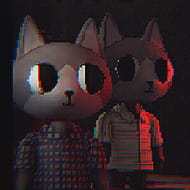
Tucked behind a cheat code on the menu screen is an alternate art style, and the community has treated hunting it down as a small rite of passage. It doesn’t change any gameplay, but discovering it feels like uncovering a secret the game never explicitly points you toward, which fits the tone of a project that leans into its own joke title.
- Overcommitting to small merges instead of planning space for bigger planets
- Ignoring the crank in favor of the D-pad, losing precision on tight drops
- Panicking near the top of the board instead of slowing down and reading the merge tree
- Skipping the menu options entirely and missing the hidden art style
How do you unlock the secret art style?
It’s tied to a cheat code entered from the menu screen rather than anything you unlock through normal play. The game doesn’t explain it outright, and most players find out about it through word of mouth or community posts rather than in-game hints.
What’s the difference between the free version and the paid Highscore version?
Gameplay is identical between the two. The paid version, available for a small tip, adds persistent highscore and max combo saving, so your best runs actually stick around between sessions instead of resetting.
Why do planets sometimes overlap or stack near the top of the board?
It’s a known physics quirk rather than a bug you’re doing something wrong to trigger. The developer has acknowledged it openly, noting it wasn’t intentional but does give players a bit of extra space to keep merges going when the board gets crowded.
Legally Distinct, Planetary Based, Suika Game Clone for Playdate takes a formula that’s been cloned a hundred times over and still finds room to make it feel specific to the hardware it’s built for, right down to how satisfying it is to nudge a planet into place with the crank. Chasing that first black hole is reason enough to keep coming back, even after the novelty of the title itself wears off.