







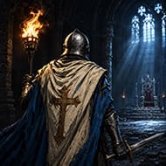
Dungeonbound






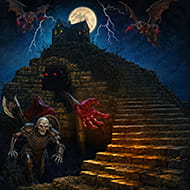
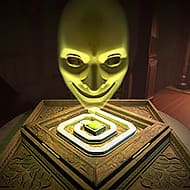
Dungeonbound looks like a first-person dungeon crawler from the PS1 era, but it plays like an inventory puzzle where the fights resolve themselves. You pick a hero, pack a board with gear, and watch scanlines and dither flicker across turn-based battles you never directly control. The thrill comes from preparation, and every run you lose still leaves you stronger.
| Genre | Roguelike auto-battler, dungeon crawler |
| Perspective | First-person corridor view |
| Heroes | Warrior, Mage, Rogue |
| Co-op | Up to three friends |
| Presentation | PS1-style CRT with scanlines |
What You Actually Control in Dungeonbound
Your first choice is the hero: Warrior, Mage or Rogue. After that, nearly every decision happens before a fight starts, because the corridor view shows monsters ahead and the battle then runs on its own. Your job is the board, the gear on it, and the upgrades you buy between descents.
Early in the game the missing input feels strange, especially if you come from crawlers where you swing, block and dodge by hand. The fights still carry tension, but it comes from watching decisions you made earlier play out. That shift is what separates this game from a standard dungeon crawler.
Tinkerers who enjoy fiddling with item layouts will feel at home right away. Players who want reflex-driven combat should check the demo first, since there is no button to press in the middle of a battle.
Packing the Board and Merging Gear
The board is where your hero’s strength lives. You fill it with gear, and what you place there decides how the hero attacks, defends and survives. Every item you carry has to earn its slot, so deciding what to leave out is as important as choosing what to keep.
Merging is the other half of the system. Gear can be combined into stronger pieces, and each merge turns two modest items into something that can carry a build. Spreading upgrades across many pieces is a common beginner trap in any auto-battler, because a few committed items usually outperform a board of average ones.
Once your first merge lands, the build starts to snowball and the next descent feels noticeably different. That feeling is what keeps players coming back for another run.
Speed-Driven Turns and the Combat Math
Battles are turn-based, and speed decides who acts when. Attacks, dodges, crits, blocks and counters all resolve automatically, so you read the results rather than make the calls. A fast hero acts more often, which makes speed one of the first stats worth understanding.
Adjustable battle speed keeps the fights readable while they run. Slowing the pace in your first few runs lets you see exactly which hit triggered a crit and which dodge saved your hero. Speeding it up later saves time once you know what your build is doing.
The honest complication is variance. A lucky dodge or a missed crit can swing a fight, and some players find that frustrating when they cannot step in. Strong builds stack enough layers that single rolls matter less.
Poison, Burn, Bleed and Stun in Dungeonbound
Status effects form a layer of their own. Poison, burn, bleed and stun each stack, and each ticks on its own clock, so several can run at once. Once poison and burn begin ticking together, a slow fight can turn into a steady drain even when your direct hits are modest.
That makes status builds a different kind of plan from a pure damage build. Instead of chasing one huge hit, you pile on effects and let time do the work. Stun adds a control layer by stopping an enemy from acting, which can protect a fragile hero.
The risk is that status builds are slower to pay off. If your hero dies before the ticks add up, the stacking never gets a chance. Players who like layered synergies tend to love this, while players who want fast kills often lean on direct damage.
Overkill Spill Through the Enemy Rank
Overkill damage is one of the smartest mechanics here. When a hit does more damage than an enemy has health, the extra spills into the next enemy in the rank. A big strike on a weak front enemy is therefore not wasted, because the leftover goes to the monster behind it.
This changes how you value damage. High single hits become more useful against crowded ranks, since each kill can chain into the next. A build that looks ordinary against one boss can feel excellent against a packed corridor of weaker monsters.
Beginners tend to ignore overkill until a run shows them how fast a rank can collapse. Once you notice it, you start choosing gear based on how well it clears groups, not only single targets.
Dying, Looting, and Descending Again
Death in this game is not a reset. When your hero falls, you are sent home with the loot you collected, which turns every failed run into progress. That keeps the stakes low enough to experiment and high enough to care about your build.
- Descend with your hero and a packed board.
- Let the battles play out and collect gear along the way.
- Return home when the run ends, win or lose.
- Spend gold on upgrades and rework your gear.
- Walk back in stronger than you left.
That loop is the heart of the experience. The mild sting of losing is softened by the loot you keep, which is why even a bad run feels productive.
Three Ways to Play Dungeonbound
The game supports more than one pace. You can treat it as a long incremental campaign where steady upgrades push you deeper, or as a roguelike climb where your build faces the builds other players have made. Both reward the same skills, but they feel different in practice.
Co-op is the third mode, and it lets you host a lobby, pick your heroes, and climb with up to three friends. Because the fights run themselves, a group can compare boards and plan together instead of competing for control. That makes it a good fit for friends who like talking through builds.
Players who want a calm session lean on the incremental campaign, while those who like competition move toward the roguelike climb. The level editor and mod support give long-term players even more to explore.
Where Dungeonbound Divides Players
The biggest divide is control. Some players love watching their build work, and others miss the feeling of acting in combat. Since you only prepare, a loss can feel like a failed plan rather than a failed move, which is satisfying for some and annoying for others.
Difficulty is the second talking point, and players tag the game as Difficult for a reason. Variance in dodges and crits, plus the cost of building from scratch, can make early runs feel punishing. Reception has been Mostly Positive, which fits a game that clearly works for its audience without suiting everyone.
The CRT presentation is the third. Scanlines, dither and chromatic flicker give the dungeon a strong retro mood, but some players find the effect tiring over long sessions. The adjustable battle speed and controller support help make longer sittings comfortable.
Dungeonbound is at its best when you commit to one hero, one board and one idea, whether that is a Warrior soaking damage, a Mage stacking burn, or a Rogue chaining overkill through a rank. Lose a few runs, keep the loot, and the descent starts to feel like your own build rather than a fight you only watch.