





















Escape Room: Strange Case 2




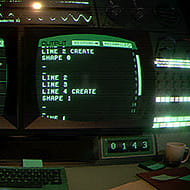



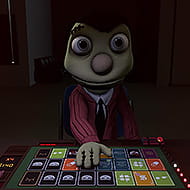


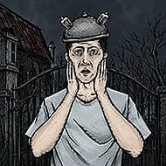
Escape Room: Strange Case 2 looks like a simple tap-and-solve puzzler but plays like a series of tests set by Doctor Death. You wake in a mental asylum, badly wounded and with no memory, and the only way out runs through rooms the orderlies and your own visions keep opening. The mood is darker than most escape games, and the puzzles lean harder on memory than a casual tapper expects.
Doctor Death and the Rorschach Tests on Day 1
Day 1 begins in your room with a bed, a door, and an orderly waiting outside to stop you from leaving. Tap your reflection in the mirror and you get a vision before the glass breaks, which is the first sign this asylum is not ordinary. Once Doctor Death arrives in the office, the real pressure begins.
He hands you three Rorschach tests, and each one asks you to rearrange tiles until the ink shape matches the correct blot. Those first ink blot puzzles are where most newcomers learn to slow down.
Random swapping punishes you here. Study the overall silhouette before moving a piece, and puzzle solvers who place edge tiles first tend to finish fastest.
Ghost Vision, the Trinket, and Memory Pairs in Escape Room: Strange Case 2
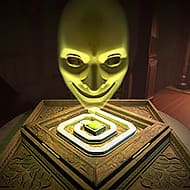
Once you equip the trinket, a demon from the previous game speaks to you and grants ghost vision to help you escape the asylum. That reveal links the asylum back to the Alchemist case and changes how you look at every room afterward. By the time you reach this point, you understand the asylum is more than a hospital.
One challenge asks you to memorize the positions of pairs of symbols. Players who enjoy memory boards will love it, but anyone who hates pair matching will find it the roughest stretch of the game.
Treat the left button as the start of the challenge and spend a few seconds scanning the grid before flipping anything. That small habit prevents most of the misses people complain about.
Randomized Puzzles and the Bad Ending Path
Some puzzles are randomized, so a solution copied from a written walkthrough may fail in your run. Read walkthroughs for the method and not for exact answers, because the board you face can differ from the one in the guide. That mismatch is the most common reason players think a puzzle is broken.
The route you choose matters too. Unlock the door on the left and go there, and you stay on the path toward escape; take the right path and keep roaming the asylum, and Doctor Death can catch you, which triggers a bad ending some players hit just by exploring too far.
Ads are the other common complaint, because the game monetizes through them heavily. Players who want uninterrupted puzzle time often disable their internet connection before starting.
Playing Escape Room: Strange Case 2 After the Alchemist Case
This is a continuation of the Alchemist investigation from the first Strange Case. You do not strictly need the earlier case to follow the asylum plot, but the demon’s appearance lands harder when you remember what came before. Fans of the first case will recognize the dark tone immediately.
The adventure is single-player and narrative-driven, so there is no co-op to lean on when a puzzle stalls. Walkthrough communities simply call the opening ink blot rounds the Rorschach tests and treat ghost vision as the key to later rooms.
Keep a note of any answer you cannot reproduce, since randomized boards will not always repeat. That habit alone separates smooth runs from frustrating ones.
Escape Room: Strange Case 2 rewards patience with the asylum: scan the ink shapes, think twice about the right path, and remember that Doctor Death’s tests are as much about memory as logic. Equip the trinket, use ghost vision when the rooms stop making sense, and write down every answer you cannot afford to lose.