

















Cheater’s Table





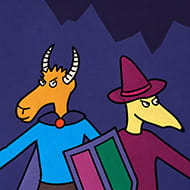




You reach for the card tucked against your palm, feel the seam of your sleeve brush your knuckles, and wait for the exact second the table’s attention drifts. That half-breath of risk is the entire pitch of Cheater’s Table, a card game where getting away with something matters more than the hand you were dealt.
| Genre | Social deduction card game |
| Players | 2-4, plus Solo Mode against bots |
| Setting | Noir-mafia table |
| Core Loop | Match, hide, cheat, call out |
Hiding Cards at the Table in Cheater’s Table
The rules read simply enough: match a color or number, and be first to empty your hand. What complicates every round is that each player starts with only two lives, and losing both means you’re out for good. That scarcity is what turns a fairly ordinary matching game into something tense enough to make people lean back from their screens.
Because you can also palm a card that doesn’t match, sliding it into a sleeve or, as the game bluntly puts it, down a pant leg, then playing it whenever the table looks distracted. Get away with it and you skip ahead. Get caught, and you lose a life on the spot. There’s no partial credit for a good attempt.
What players in the general discussions keep circling back to is how quickly that risk becomes addictive. One thread literally asked whether your first hours are confusing, fun, or both, and the honest answer from most regulars is all three at once until the timing clicks.
Reading a Bluff Before It Costs You a Life
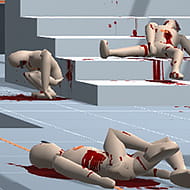
Calling someone out is its own gamble. Challenge a player and you’re right, they take the punishment. Challenge them and you’re wrong, the trap flips onto you instead. Community slang for getting caught mid-cheat is blunt: you get pumped full of holes, and the phrase stuck because it matches the noir tone better than any polite alternative would.
Some hands never involve a single accusation. Others turn into three consecutive challenges before anyone actually plays a card. Both are normal.
- Draw Seven cards force the next player to draw seven, stack another draw card, or gamble on a cheat
- Card Shield can deflect an incoming draw stack when played as a response
- Acid King strips a color from your hand entirely while converting it to another
The Milk Card and Why It Changes Everything
Buried in every deck is a single Milk card, and getting rid of it before the round ends is a quiet second objective that new players routinely forget about. Holding it too long tends to be the actual reason a round falls apart, not the flashier bluffing plays everyone talks about first.
Traps: Blue Dynamite, the Cadillac, and Worse
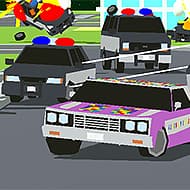
Hosts choose what kind of chaos loads into a match, and the traps range from extra cards to a Blue Dynamite sequence to, memorably, a Cadillac that can fall on the table mid-round. An August update fixed a bug where the Cadillac occasionally turned invisible while falling, which tells you how physical these sequences actually are.
Cautious players tend to avoid triggering traps at all costs, while aggressive types treat every trap as a tool for baiting a bad read out of someone else.
Solo Mode Versus Cheater’s Table with Friends
Solo Mode against bots arrived as a standalone addition, letting you test cheating timing without an audience judging you in real time. It’s a fine way to learn card behavior, but the bluffing layer that makes Cheater’s Table worth returning to only really exists once real people are reading your face and your pauses.
Is Cheater’s Table better with friends or with bots?
Bots are useful for learning card interactions and cheat timing without pressure, but the social deduction core depends on human tells, so friends produce the more memorable matches.
What happens if you get caught cheating?
You lose one of your two starting lives immediately, and depending on the trap or draw stack in play at that moment, you may also be forced to draw additional cards on top of the penalty.
How do you get rid of the Milk card before the round ends?
You need to play it like any other card that matches the current color or number, timing it around your remaining hand so you’re not left holding it when someone else empties theirs.
Early Access still shows its seams, with a handful of players reporting a crash on quitting and one black-screen freeze after the opening cutscene, but the core loop of Cheater’s Table already holds up round after round. Once you’ve watched a Blue Dynamite trap go off on someone holding the Milk card, you understand exactly why regulars keep coming back to this table.