
















Chibi Monster Girls

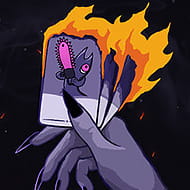


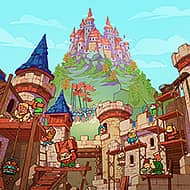





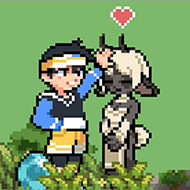
You open the garden screen in Chibi Monster Girls and a small handful of creatures are already waiting on you — hungry, a little restless, and completely unaware that keeping them alive is now your entire job.
| Genre | Simulation / Virtual Pet |
| Platforms | Windows, Linux |
| Species Available | 6, across 3 expedition routes |
| Average Session | A few minutes |
Running a Conservation Garden as a Monster Girl Keeper
The premise gives the whole loop its shape: in the world of Chibi Monster Girls, these creatures face a multitude of predators in the wild, and reaching adulthood on their own isn’t easy, so the government sponsors conservation projects and hands each Keeper a garden of their own to run. You’re not raising pets for the sake of it — you’re the reason a given species makes it to adulthood at all, at least inside the fiction the game builds around its systems.
That framing changes how the failure state lands. Monster Girls won’t die if you neglect them, but they will get sick and stop producing coins, which is the actual cost of falling behind. Chibi Monster Girls isn’t punishing you with a game over screen — it’s punishing you with a slowly draining source of income, and that softer pressure is exactly what makes the loop feel sustainable for short daily sessions instead of demanding constant attention.
Each species tracks its own stats and diet, so a routine that keeps one creature thriving can leave another one visibly unhappy within a day. Icons show up to flag whatever stat has dropped dangerously low, and separate popups surface when a Monster Girl wishes for something specific — a mechanic the community has taken to calling attention seeking, since ignoring those popups is usually what tips a healthy creature toward sick.
Expeditions, Eggs, and Reading the Chibipedia
Idle-game fans tend to gravitate toward the coin production loop specifically, letting the garden tick along in the background between sessions, while players who prefer more hands-on care check in far more often just to respond to wishes before an icon even lights up.
- Choose an expedition route. With three routes currently available, each one sends your creatures out to search for eggs tied to specific species rather than random drops.
- Wait out the expedition timer. Results aren’t instant, which is part of why the game rewards checking back periodically rather than sitting and watching.
- Sort the results by tier. Eggs come back as color variants for each species, and any tier above the base Tier I carries a real effect on that species’ stats rather than being purely cosmetic.
The Chibipedia — the game’s in-progress creature compendium — is where a lot of that variant information actually gets confirmed, since the base garden screen doesn’t always spell out what a given tier does. Players who track variant effects closely tend to treat the Chibipedia as close to mandatory reading, especially once Lamia and Frog joined the roster and added diet requirements that don’t overlap cleanly with the earlier species.
Early in the game, expedition routes barely matter because you’re managing so few creatures that any egg feels like progress. That changes once your garden fills out and route choice starts determining which species you can realistically expand toward next.
How many Monster Girls are currently in the game?
Six species are available right now, spread across three expedition routes, with full completion defined as the point where every route has at least one Monster Girl of its own.
What happens if a Monster Girl’s stats hit zero?
She won’t die, but she will stop producing coins and stay visibly sick until her stats recover, which makes neglect a slow economic setback tied to the game’s conservation premise rather than an instant loss.
Do egg color variants actually change gameplay, or are they cosmetic?
They’re functional. Anything above a Tier I variant applies a real effect to that species’ stats, so hunting for higher tiers through expeditions is worth the extra time for players focused on efficient coin output.
What keeps Chibi Monster Girls from feeling like a static idle clicker is how much the small decisions matter — which route you send an expedition down, which stat you patch first, whether you bother reading up on Lamia’s diet before her hunger icon lights up — and that mix of low-key conservation-garden pressure and real consequence is the whole appeal.