








Drakantos



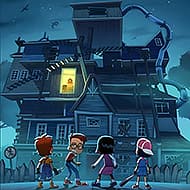
You log into Drakantos, scroll through more than twenty playable heroes, and end up joining a guild that’s already racing to claim the best housing plot in Eldras before anyone else gets there first. That’s a fairly normal first hour, and it tells you a lot about what kind of game this actually is underneath the pixel art.
Picking a Hero From More Than Twenty in Drakantos
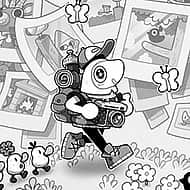
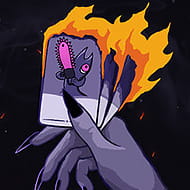
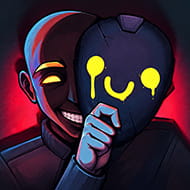
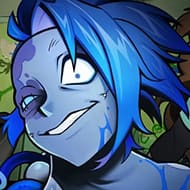
Drakantos launches players into choice immediately, with more than twenty heroes available, each carrying distinct traits rather than being simple reskins of the same base kit. The roster is clearly meant to be explored rather than locked into a single main, since the game’s PvP system equalizes stats regardless of which hero you bring, putting the actual weight on skill and hero identity rather than gear checks.
New players tend to gravitate toward whichever hero looks visually appealing first, which is a fine way to start but not necessarily the best way to learn the game’s systems. Since combat in Drakantos has shifted toward full action combat with free movement rather than older tile-based positioning, heroes with simpler, more forgiving kits tend to be easier to learn the actual movement feel on before branching out.
Cutscenes introducing the world and its factions are fully voiced, and players consistently mention these cinematic touches as a nice surprise for a game built around cooperative dungeon runs and competitive PvP rather than narrative depth.
Eldras: The World Your Guild Actually Fights Over
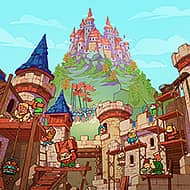
The fantasy world of Eldras isn’t just a backdrop; it’s the shared space where housing, guild territory, and the broader economy all live. Hundreds of PvE missions are scattered across it, with enemies, bosses, resources, and objectives that shift between attempts so that grinding the same content twice doesn’t feel completely identical each time.
Early on, most players experience Eldras purely through cooperative missions, since PvE is generally the more approachable entry point compared to jumping straight into ranked PvP. That said, the world’s structure clearly anticipates guild-level competition eventually spilling over from PvP into things like housing placement and market activity.
Because the world is shared rather than instanced per player, decisions made by large, active guilds visibly shape how Eldras feels to newer or smaller groups logging in later, for better or worse.
PvP Maps, Ranked Ladders, and Regular Tournaments
For players who came to Drakantos specifically for competitive play, the PvP system spans multiple maps and modes, with a ranked ladder running alongside regular in-game tournaments. Since stats are equalized in these modes, matches are meant to come down to strategy and mechanical skill rather than whoever has ground out better gear.
This design choice is one of the more consistently praised parts of Drakantos, since it sidesteps the usual complaint leveled at free-to-play games where paying or grinding more directly translates into a combat advantage. Skill separation instead comes from hero mastery and understanding matchups.
Where the community is more split is on population and matchmaking consistency, particularly at off-peak hours, where queue times and skill matching have been reported as rougher than ranked players would like. It’s a fair criticism for a game still building out its competitive base.
Orbs and Artifacts: Reshaping a Hero Without Rerolling
Orbs: modify a hero’s existing abilities directly, letting you shift how a familiar kit behaves without switching characters entirely. Artifacts: layer on top of that customization, giving you a second axis to build around depending on whether you’re optimizing for cooperative missions or ranked matches.
This system is what gives Drakantos most of its build variety. Rather than needing twenty heroes to feel twenty different playstyles, a handful of favorites can be reshaped through orb and artifact combinations into noticeably different roles depending on the situation.
Beginners often ignore this system for longer than they should, treating hero choice as the only meaningful decision point. Experienced players instead treat their favorite hero’s orb and artifact loadout as something to actively experiment with between sessions.
Housing, the Market, and Making Eldras Feel Like Home
Beyond combat, Drakantos gives players their own plot of land to decorate, and a market where rare items and collectibles can be traded directly with other players rather than only sold to a generic vendor. Both systems lean into the game’s cooperative, persistent-world identity rather than treating housing as a cosmetic afterthought.
Trading through the market becomes especially relevant once players start chasing specific cosmetic unlocks, since exclusive icons, titles, and skins are tied into the broader economy rather than handed out purely through login rewards.
Housing in particular tends to become a long-term project for dedicated players, something worked on gradually alongside daily PvE missions rather than rushed in a single sitting.
Guilds and the Race to Rule the Continent
The guild system in Drakantos is explicitly framed around ascension, with guilds competing to become the most powerful presence on the continent. This isn’t a passive title system; it ties into how a guild’s members experience shared content, events, and standing relative to rival groups.
Joining an active guild early tends to smooth out a lot of the game’s early friction, since coordinated groups can tackle PvE missions and events more efficiently than solo players working through the same content alone.
Guild rivalry is also where a lot of the game’s social drama plays out, particularly around contested housing plots and market pricing, both of which are visibly influenced by which guilds currently hold the most sway.
Global Events, Day and Night, and Crafting Loops
Drakantos runs a day and night cycle that occasionally lines up with global events and minigames, changing the pace of what’s worth doing at any given moment rather than keeping every hour of play identical. Crafting sits alongside this as a steady background loop, letting players convert resources gathered during PvE missions into gear and materials over time.
Pets and emotes round out the game’s more social, cosmetic side, with each hero carrying more than thirty unique emotes complete with individual voice lines. It’s a small detail, but one the community brings up often as evidence of how much polish went into character personality outside of combat.
None of these systems are strictly necessary to enjoy the core PvE and PvP loops, but together they give Drakantos a sense of a world worth logging back into beyond just chasing the next mission reward.
What Beginners Get Wrong Early in Drakantos
New players frequently jump into ranked PvP too early, before getting comfortable with the free movement combat system, and end up frustrated by losses that have more to do with unfamiliar controls than actual strategy. Spending time in cooperative PvE missions first tends to pay off once ranked matches start.
Another common mistake is ignoring the market entirely in the early game, missing out on efficient trades for starting gear that other players are actively looking to offload.
Is Drakantos free to play? Yes, the core game is free, with monetization built around cosmetics, housing, and convenience rather than direct combat advantages, which is part of why the PvP ranked system carries as much credibility as it does within the community.
Advanced Team Compositions Most Players Miss
Coordinated guild groups tend to build compositions around orb and artifact synergies rather than just stacking whichever heroes look strongest individually, since a hero reshaped through the right orb combination can fill a completely different role than its default kit suggests.
Experienced PvE groups also rotate hero picks based on which bosses and objectives a given mission features, rather than defaulting to the same lineup every run, since enemy compositions shift enough between attempts to reward flexibility.
This kind of adaptive team-building is where Drakantos separates casual players from its more dedicated guild-driven community, and it’s a big part of why veteran players keep coming back to missions they’ve technically already cleared.
Drakantos wraps a genuinely deep hero and progression system around a cooperative, competitive world in Eldras, and it manages to make housing plots and market trades feel just as contested as its ranked PvP ladder. Whether you’re chasing a tournament placement, reshaping a favorite hero through orbs and artifacts, or just decorating a plot of land your guild fought to secure, Drakantos gives players plenty of reasons to keep logging back in.