




















Echidna Wars DX





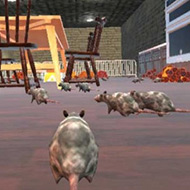
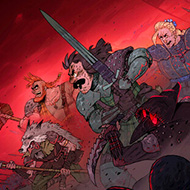




What happens when a beat-’em-up gives every character a completely different way to clear the same room? Echidna Wars DX answers that by handing you four heroines with almost nothing in common except the corridor they’re fighting through, and the game expects you to notice the difference on the first stage.
Four Fighters, Four Approaches to Echidna Wars DX
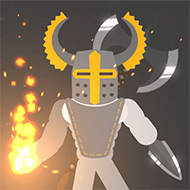
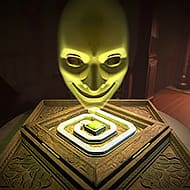
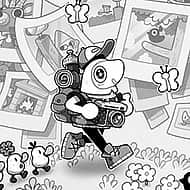
Mirea plays like a rushdown character built around rapid melee strings, closing distance fast and punishing anything that hesitates. Sachiho trades that speed for range, using fire-based attacks that control space rather than pressuring it directly, which changes how you approach crowded sections entirely. Usaco splits the difference with mobility tools that let her dodge into openings other characters would have to fight through, and TGO-07 rounds out the cast as the character built for area control, holding a section of the screen rather than chasing threats across it.
New players typically pick based on which heroine looks strongest on paper and stick with her through all three stages, which is exactly the mistake the game is built to punish. Each stage’s layout and boss favor a different skillset, and the run that struggles badly with Mirea alone often clears the same section without much trouble on Usaco.
Reading the Three Stages
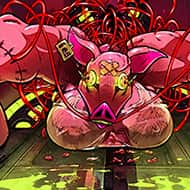
Each of the three main stages splits into smaller areas before a boss fight closes it out, and the difficulty curve isn’t just “more enemies.” Enemy placement starts rewarding careful spacing and punishes players who button-mash through early rooms, since the same rushdown approach that clears stage one cleanly gets Mirea surrounded by stage two. Boss fights lean harder on reading attack windups than on raw damage racing, which is where ranged characters like Sachiho start to separate from the melee-focused roster.
- Learn each boss’s windup before committing to an approach rather than trading hits blind
- Switch mental approach per stage instead of per character — spacing matters more than which heroine you picked
- Treat TGO-07’s area control as a reset tool for crowded rooms, not a primary damage plan
What Echidna Wars DX Players Still Debate
Players argue constantly about whether the four-character roster is actually balanced or whether Mirea’s speed just trivializes the early stages while making the later bosses harder than they need to be. The debate never fully resolves because the answer changes depending on whether someone judges balance stage-by-stage or across a full clear, and that disagreement is a big part of why people keep replaying Echidna Wars DX with different heroines instead of settling on one main.
- Which heroine is best for beginners? Usaco’s mobility forgives more spacing mistakes than Mirea’s rushdown or Sachiho’s ranged positioning, making her the easiest first pick for players still learning enemy patterns.
- Do the three stages get harder evenly? No — the jump between stage one and stage two is sharper than between stage two and three, since enemy placement in stage two is where the game stops being forgiving about button-mashing.
- Is TGO-07 worth learning over the other three? Yes for players who struggle with crowd control specifically, since her area-control kit resets bad positioning that Mirea or Sachiho would have to fight out of directly.
Whichever heroine ends up as your main, Echidna Wars DX keeps circling back to the same test: can you read a boss’s windup fast enough to punish it, whether you’re standing at range with Sachiho or already inside the boss’s guard with Mirea.