

















Bad Pixels



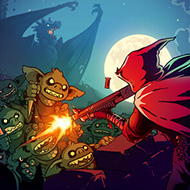





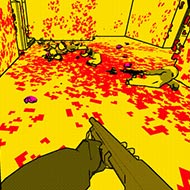
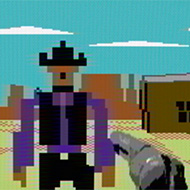
In Bad Pixels you start with a six-shooter, a fixed spot at the edge of a dusty street, and a first wave of cutout targets already sliding into view, which matters once the pace picks up. There’s no walking, no cover to duck behind, just a loaded gun and a narrow window to use it well.
| Genre | Wild-West Shooting Gallery |
| Platform | Browser (HTML5) |
| Core Loop | Aim, fire, reload, survive escalating waves |
| Setting | A fixed street-corner shooting range |
| Controls | Mouse aim and click-to-fire |
Bad Pixels Opens With Nothing But a Loaded Gun
There’s no story setup, no dialogue, no explanation for why the street is suddenly full of targets. Bad Pixels drops you straight into the first wave and lets the shooting gallery format speak for itself. That bluntness is part of the appeal for players who just want a quick round without a tutorial first.
The most common early mistake is treating every target the same way. Standing targets are easy points, but moving ones cross the screen fast enough that a hesitant shot misses the window entirely. Newer players tend to fire on reflex, which burns ammo and forces an awkward reload right as the wave gets busier.
Casual players chasing a quick five-minute round tend to play looser and accept a lower score, a reasonable way to approach a game built for short sessions rather than long campaigns.
Reading the Wave Before It Reads You
Target patterns aren’t random for long. By the second or third wave, a rhythm sets in, targets popping in predictable spots at predictable intervals, and reading that rhythm matters more than raw reflexes. Waves break down into a few recognizable target types:
- Slow, stationary targets worth a small, guaranteed amount of points.
- Fast-moving targets that cross the screen and punish hesitation.
- Bonus targets that appear briefly and reward a fast, precise reaction.
Reload Timing Is Where Runs Fall Apart
Reload timing is where a lot of runs fall apart. Firing without tracking the remaining chamber count leaves you empty exactly when a bonus target flashes by, and there’s no way to cancel a reload once it starts.
Why Early Waves Feel Easier Than Their Reputation
Early waves stay forgiving enough to recover from a bad reload, but that cushion narrows fast, and treating the first couple of waves as a warm-up rather than the real test is part of why they feel easier than the reputation of the game suggests.
Trick Shots and the Bonus Targets in Bad Pixels
Players in the community tend to call the fast bonus targets “trick shots,” a term borrowed from arcade shooting-gallery lingo, and landing one reliably is treated as the real skill test in Bad Pixels rather than just clearing a wave. It rewards reading the pattern instead of panicking and firing at everything on screen.
Players who specialize in chasing those bonus targets tend to sacrifice a few standing-target points early in a wave just to stay ready for the moment a trick shot appears, and that tradeoff separates high scores from merely finished runs.
A basic quickdraw round tends to follow the same rough shape each time:
- Wait for the wave to begin and let the first targets settle into their pattern.
- Clear stationary targets first while tracking ammo and reload timing.
- React to fast and bonus targets as they cross, saving a shot in reserve when possible.
Accuracy, Combos, and the Bad Pixels Scoreboard
Scoring rewards consecutive hits without a miss, and that combo resets the moment a shot goes wide or hits an innocent target instead of a legitimate one. That penalty is a classic shooting-gallery convention, and it’s still the single biggest score-killer for players rushing a wave.
One thing that only becomes obvious after a few runs: the game telegraphs bonus targets with a faint flicker just before they appear, a half-second cue that’s easy to miss the first several times but becomes second nature once you know to watch for it.
It’s worth acknowledging honestly that the format is repetitive by design, and that’s the most common complaint raised about it: the waves don’t introduce new content past the first several rounds, just tighter timing on the same patterns. Players chasing a leaderboard spot treat that repetition as the whole point, replaying the same waves to shave fractions of a second off their reaction time.
When the Waves Stop Being Forgiving
Difficulty in Bad Pixels climbs by tightening timing rather than adding new mechanics. Targets appear closer together, cross the screen faster, and bonus windows shrink until landing a trick shot takes near-perfect timing rather than a lucky reaction. Nothing in the interface warns you this shift is coming.
By the point where waves start overlapping instead of arriving in clean sequence, a full chamber and steady aim stop being enough on their own, and pattern recognition built up over earlier rounds becomes the only real advantage left.
Bad Pixels earns its replay value from exactly that kind of pressure. A dusty street, a six-shooter, and a scoreboard that punishes every wasted shot are the whole game, and that stripped-down setup is precisely why one more round is so easy to justify.