







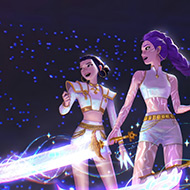
Kpop Demon Hunters
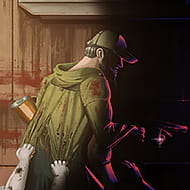
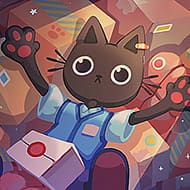

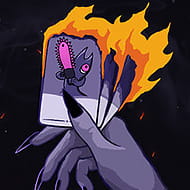
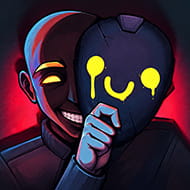
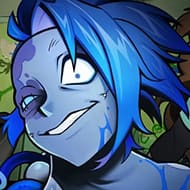
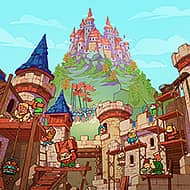


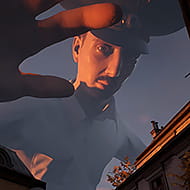
You hit your mark on stage, the crowd screams on cue, and then the beat drop doubles as an attack that sends a demon reeling three rows back. Kpop Demon Hunters never lets you forget that every performance in HUNTR/X’s world is also a fight — the choreography and the combat are the same motion.
| Genre | Rhythm-Action Adventure |
| Group | HUNTR/X |
| Core Mechanic | Music as Combat |
| Extra Mode | FanZone Creator |
HUNTR/X: Idols by Day, Hunters by Night in Kpop Demon Hunters
The premise driving Kpop Demon Hunters is that HUNTR/X isn’t just performing — they’re the line of defense against demonic forces that slip into dreams, digital networks, and concert crowds. That dual identity shapes every mission: a show isn’t just a performance, it’s cover for tracking down whatever’s infiltrating that night’s crowd.
What beginners get wrong early is treating the rhythm sections like a standard music game divorced from the story. In Kpop Demon Hunters, missing beats doesn’t just cost points — it directly weakens your attacks against whatever demon is on screen, so the rhythm mechanic and the combat outcome are never actually separate systems.
Rhythm Combat: Music as Both Attack and Defense
Timing inputs to the beat drives offense, but defense works the same way — blocking or dodging demon attacks is tied to the same musical timing window rather than a separate reaction mechanic. This dual-purpose design is one of the more praised choices among players, since it means mastering a song’s rhythm improves your combat performance directly rather than being a separate skill layered on top.
- Replay Mode — replay any completed mission with different idols, difficulties, or remixed tracks once you’ve cleared it once.
- Team Coordination — switching between HUNTR/X members mid-mission changes both the choreography and the attack patterns available.
- Remixed Tracks — altered versions of story songs that raise the difficulty and change timing patterns players already thought they’d memorized.
FanZone Creator: Kpop Demon Hunters After the Missions End
Outside the main missions, FanZone Creator lets players design digital fan hubs where others can listen to unlocked songs, check high scores, or share remixes. It’s a slower, more social layer on top of the rhythm-combat core, and players who stick with Kpop Demon Hunters past the main story tend to spend a surprising amount of time here, treating it as an extension of the fandom rather than a side feature.
Do I need rhythm game experience to play Kpop Demon Hunters?
Not necessarily — earlier missions ease players into the timing windows before remixed tracks and higher difficulties raise the stakes.
Does switching HUNTR/X members change more than their appearance?
Yes — each member changes both the choreography animations and how attacks and blocks are timed during a mission.
Is Replay Mode necessary to see everything in the game?
Some remixed tracks and difficulty variants only appear in Replay Mode, so players chasing full completion will spend real time there after the story ends.
Kpop Demon Hunters never separates the spectacle from the stakes — every note HUNTR/X hits on stage is also a hit landed against whatever’s hiding in that night’s crowd, and that fusion is what keeps the rhythm sections feeling like more than just a music game.