




















My Child New Beginnings














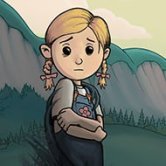
What does a parenting simulator look like when the point is not keeping a pet-like bar topped up, but helping a ten-year-old feel safe again? My Child New Beginnings starts from that question. You and your child, Karin or Klaus, have been through something painful, and the story opens with the two of you settling into a new house in a different region of Norway. There is no boss to beat and no score to chase. The whole game is built around ordinary days, and the way you handle them decides how much trust grows between you and your child.
Starting Over in a New Region of Norway: The Setup in My Child New Beginnings
The move is the foundation of everything. You do not arrive as a blank slate, and neither does your child. Karin or Klaus carries fears, habits and silences from the past, and you carry your own doubts about whether you are doing this right. The new house, the new neighbours and the new school give the story somewhere to start, but nothing about them is a clean reset.
Players coming from a narrative background will notice quickly that the game cares more about tone than about mechanics. A conversation at the kitchen table can matter more than any chore you finish that day. The setting is 1990s Norway, which means no smartphones and no instant answers, only the slow work of paying attention to the child in front of you.
In the first two weeks after the move, most of what you do is learn how your child reacts to small changes. A new route to school, a new classmate or a new routine at home can all shift Karin or Klaus’s mood. The demo covers exactly these first two weeks, which makes it a fair way to judge whether the pace suits you.
Daily Care for Karin or Klaus Without a Checklist
Most nurture games train you to think in meters, and beginners often carry that habit over. They try to keep everything full and assume the child will be fine. My Child New Beginnings pushes against that. Meals, rest and chores matter, but the game keeps asking how you treat your child while you do them. Rushing through a day to reach the next story event is the most common beginner mistake, and it tends to leave the child withdrawn.
Your daily choices fall into a few broad areas that players discuss often:
- Practical care at home, such as food, sleep and keeping the house running
- Time spent together, from quiet activities to conversations about school and friends
- Decisions about work and money that decide how much energy you have left for your child
The balance between work and home is where the pressure builds. Every hour you spend earning is an hour you are not at the table with Karin or Klaus, and the game never tells you the right split. Players who enjoy cozy life sims will find the decorating and shop options a welcome break from the heavier moments.
Hard Conversations and Ethical Choices in My Child New Beginnings
The game does not hide that parenting involves choices with no clean answer. Sometimes what you feel as a parent is different from what is best for your child, and the story gives that tension room instead of resolving it for you. Bullying, fear and slow healing all come up, and the way you respond shapes how open your child becomes with you over time.
This is also where the game gets divisive. Some players love how heavy and honest it is. Others find it draining, especially in long sessions, and a few say the emotional weight is not balanced by enough lighter material. Both reactions are fair. If you want a relaxed way to unwind, this is not an easy fit, and it helps to know that before you start.
Players who value reflection over action get the most from these scenes, because the game invites you to think about why you chose a response and not only what you chose. There is a small sharing feature that lets people exchange thoughts on these themes, which fits the game’s focus on introspection.
What Changed Since My Child Lebensborn
Anyone who played My Child Lebensborn will recognise the basic idea of raising Karin or Klaus, but the situation is different. The earlier game dealt with the fate of children born of war in post-war Norway. This one focuses on a ten-year-old dealing with the effects of trauma in the 1990s, and the tone is softer, though only slightly.
Players who return from the first game point to a few differences. Decorating the home and a wider range of things to buy in the shop give you more ways to shape daily life. The art style has also been refreshed, which some players describe as new enough to feel different while still nostalgic. Several fans say the sequel fixes the replayability problem of the first game.
The trade-off is that the sequel feels less tightly focused to some. The first game had a clear, linear story that could be finished in a single sitting. Here the days stretch out and the story arrives in chapters, which suits patient players but can frustrate anyone who wants a quick emotional hit.
Waiting for Chapters and Bugs Players Report
The most common complaint in player reviews is about chapter progress. A few players describe reaching a point where no new story chapter triggered for six in-game weeks, even as the seasons changed from winter to spring. Others mention glitches such as hair rendering oddly or the interface freezing so that nothing could be pressed. These reports are honest signals that the game is not polished everywhere.
If your story seems stuck, the usual advice from players is to keep caring for Karin or Klaus normally and let in-game time move, since chapters appear to depend on what has happened between you and your child and not on a fixed calendar date. Restarting is a last resort, and some players report that it did not help.
Some reviewers argue it works best as a narrative experiment rather than a polished simulation. That description is fair, and it is worth keeping in mind if you expect tight systems.
Common Questions Before You Start
Why is my story not moving to the next chapter?
Chapters in this game seem to depend on how your days with Karin or Klaus unfold, not on a countdown. Keep up with daily care and time together, and give the story a few in-game weeks before assuming it is broken. If nothing happens for a long stretch, you are probably running into the bug other players have reported.
How is it different from My Child Lebensborn?
The first game follows a Lebensborn child in post-war Norway, while this sequel follows a ten-year-old coping with trauma in the 1990s. It adds decorating, a wider shop and a refreshed art style, and its tone is slightly gentler. The central relationship with Karin or Klaus stays the same.
What does the demo cover?
The demo contains the first two weeks of the main game. You move into your new house with Karin or Klaus and meet the new surroundings, and the demo ends when those two weeks are over. It gives a good sense of the pace and the emotional tone.
My Child New Beginnings asks for patience and honesty more than skill. The quiet evenings in your new Norwegian home, the way Karin or Klaus slowly decides whether to open up, and the small choices that either build trust or wear it down are what make the game memorable. If you accept its slow pace and its rough edges, it offers a rare kind of story about rebuilding a life with someone who needs you to stay.