
























Neet And Angel






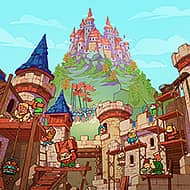


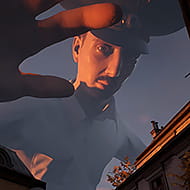

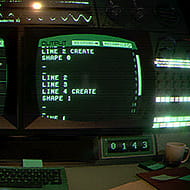
In Neet And Angel you start as a NEET protagonist with no direction, which matters more than it sounds — the game’s entire emotional arc is built on that specific condition, and the arrival of the angel character reframes it rather than dismisses it. The first conversation between the two sets the tone immediately: there’s warmth, some awkwardness, and a dynamic that asks you to pay attention rather than rush to the next scene.
The Core Relationship Dynamic in Neet And Angel
The relationship between the NEET protagonist and the angel is the engine the game runs on. Unlike visual novels where the central character is defined by a single trait, the protagonist’s NEET status is treated as context with texture — routines, avoidances, small moments of embarrassment and comfort that accumulate across the game’s scenes. The angel’s presence disrupts those routines without erasing them, which is what makes the dynamic interesting to players who stay with it past the opening.
Dialogue choices affect the relationship meter, which the game tracks quietly rather than displaying prominently. Players who try to optimize for the highest affection outcome by selecting the most obviously positive responses often find the result feels thinner than runs where they made choices that fit the scene’s actual tone. The community calls this “forced smooth,” and the consensus is that it reads worse in the final route.
Early in the game, the angel’s reactions to ordinary household situations — meals, sleeping schedules, the protagonist’s room — carry most of the character writing. By the time the more emotionally significant scenes arrive, the groundwork laid in those mundane moments is what makes them land. Players who skip-read through the daily routine sections miss exactly what the heavier scenes rely on.
Route Structure and Branching in Neet And Angel
Neet And Angel has a branching structure that splits based on dialogue choices spread across its chapters. The angel’s route and the single alternate path diverge at a point roughly two-thirds through the game, and the divergence is legible when it happens — unlike some visual novels where you don’t know a branch occurred until much later. That transparency is something the community considers one of the game’s better structural decisions.
A complete run through the angel’s primary route takes most players between three and five hours. The alternate path is shorter and exists more as a contrast than a full equivalent — it answers a different question about the protagonist rather than offering a comparable emotional journey. Players who reach it expecting full parity with the main route are usually disappointed, which is an honest limitation the community discusses without much controversy since most agree the main route is the point.
One thing players consistently notice: a specific ambient sound during the late-game apartment scenes — something low and slightly out of tune — that appears only on the night before the final chapter. It’s not referenced in dialogue and doesn’t have an explanation. Community threads have spent considerable time on it. It might be intentional atmosphere, or it might be a minor audio error that nobody fixed. Either way, players remember it.
What Neet And Angel Gets Wrong and What It Gets Right
The pacing in the middle third of Neet And Angel is the most common point of friction players mention. The daily routine scenes, which do valuable character work, run longer than they need to in several chapters. Players who are invested in the relationship find them comfortable; players who want the story to develop feel them as drag. There’s no single solution that would satisfy both groups, and the community tends to split along exactly that line.
What the game gets right is the specificity of the protagonist’s interiority. The internal monologue during quiet scenes doesn’t over-explain — it observes. That restraint is unusual in the genre and is what players point to most often when explaining why Neet And Angel sticks with them after completion in a way other visual novels don’t.
Frequently Asked Questions
Does the relationship meter in Neet And Angel affect the ending?
Yes, but not through a simple high-score threshold. The relationship meter influences which dialogue variants appear in the final chapter and whether certain emotional beats resolve cleanly or feel unearned. Reaching the angel’s true ending requires the meter to clear a specific threshold, but players who prioritized tone-appropriate choices over obvious affection builders tend to arrive there more reliably than those who optimized mechanically.
Is there a missable scene in Neet And Angel that most players skip?
Yes. During the third chapter’s evening segment, choosing to stay in the protagonist’s room rather than follow the angel to the kitchen triggers a short scene that doesn’t appear elsewhere. It’s not route-critical but adds context to the angel’s behavior in the final act. Most first-time players choose to follow, which is the instinct the game seems to expect.
What is the alternate route in Neet And Angel actually about?
The alternate route focuses on the protagonist choosing to return to a conventional path rather than continue the relationship dynamic with the angel. It’s shorter, quieter, and functions more as a thematic counterpoint than a full story. Players who reach it after the main route tend to find it adds meaning retroactively rather than standing on its own.
Neet And Angel rewards the kind of player who reads every line rather than skipping to branch points, because the apartment scenes and daily rhythm exchanges between the protagonist and the angel are where the game actually lives. The final chapter’s emotional payoff depends on that accumulation, and players who let the quiet middle sections do their work tend to reach the ending in better shape for it.