








PJSK


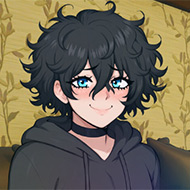
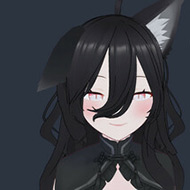

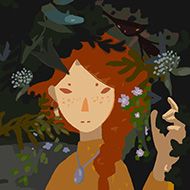



Five different bands sharing one rhythm engine sounds like it should feel repetitive, but PJSK avoids that trap by making each unit’s songs demand a genuinely different playstyle. A Leo/need chart and a Vivid BAD SQUAD chart can share the same difficulty rating and still feel like they belong to different games.
| Genre | Rhythm game with story mode |
| Units | Leo/need, MORE MORE JUMP!, Vivid BAD SQUAD, Wonderlands x Showtime, Nightcord at 25:00 |
| Difficulty tiers | Easy, Normal, Hard, Expert, Master, Append |
| Virtual singers | Hatsune Miku, Kagamine Rin and Len, Megurine Luka, MEIKO, KAITO |
PJSK’s Five Units Don’t Share a Sound or a Story
Leo/need centers on a school idol group working through stage fright and ambition. MORE MORE JUMP! leans bright and energetic, built around younger characters. Vivid BAD SQUAD pulls from street culture and racing themes. Wonderlands x Showtime frames its songs through a theater troupe’s productions. Nightcord at 25:00 sits apart from all four, built around characters who mostly interact online rather than in person.
Because each unit has its own songwriting identity, chart patterns tend to reflect that — Vivid BAD SQUAD tracks lean toward sharper, more percussive note timing than the softer phrasing common in MORE MORE JUMP! songs.
Miku, Rin, Len, Luka, and How Virtual Singers Fit Each Unit
The virtual singers aren’t just cosmetic guest features — Hatsune Miku, Kagamine Rin and Len, Megurine Luka, MEIKO, and KAITO are woven into specific unit stories and songs, with vocal pairings chosen deliberately rather than randomly assigned. Which virtual singer appears alongside which unit’s characters shapes a song’s tone as much as the instrumentation does.
Reading Note Charts Before Tapping Becomes Instinct
- Taps make up the baseline of most charts, but flick notes demand a different wrist motion that new players consistently mistime early on.
- Hold notes punish players who release a beat early, which is a common source of dropped combos on faster songs.
- Overlapping note lanes on Expert and above force players to track multiple simultaneous inputs instead of a single line of notes.
Nightcord at 25:00 Plays Against the Other Four Units on Purpose
Where the other four units foreground performance and stage presence, Nightcord at 25:00’s songs and story lean into isolation and late-night online communication instead. That contrast is intentional, and it’s part of why the unit has such a distinct following — the songs sound and feel different because the characters’ relationship to performing is different.
Master and Append Difficulty Change What Reading a Chart Means
Dropping from Master to Append difficulty on the same song isn’t just “more notes.” Append charts frequently restructure entire sections with new patterns not present at lower difficulties, meaning muscle memory built on the Master chart doesn’t transfer cleanly and has to be relearned.
PJSK’s Story Mode Runs Parallel to the Rhythm Game
Story chapters unlock alongside gameplay progress rather than sitting off to the side as optional flavor text, and reading them is where the unit dynamics that shape chart design actually get explained. Skipping story content is common among players focused purely on scores, but it leaves a real gap in understanding why certain songs feel tonally different from others.
- Do you need to read the story to play well? No — chart-reading skill transfers regardless of story knowledge, though understanding a unit’s story often explains why its songs feel a certain way.
- Why do some songs feel harder than their listed difficulty? Note density and lane overlap vary a lot even within the same difficulty tier, so two Expert charts can play very differently despite matching numbers.
- Does virtual singer pairing affect gameplay? Not mechanically, but pairing does influence a song’s vocal arrangement, which some players use to predict rhythm patterns before learning a chart.
PJSK holds up because Nightcord at 25:00’s quiet, isolated songs sit comfortably next to Vivid BAD SQUAD’s sharper street-style tracks without either one feeling out of place — five very different units sharing one chart engine, and somehow all of it still clicks.