












Ruby Says!










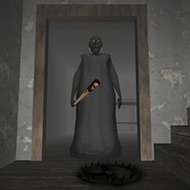


You plant your feet on the mat, a command rings out, and you jump before you notice that Ruby never opened with her phrase. An X appears, and the house suddenly feels a lot quieter. That one slip is the whole idea behind Ruby Says, a horror take on the playground classic where careful listening matters more than fast reflexes. Below you will find how the rounds work, what trips up new players, and how the Story and Endless modes change the pressure.
Standing on the Mat in Ruby Says
Every round starts with you on the mat, and the mat is the anchor of the whole game. Ruby hands out instructions, and you carry one out only when she opens it with her signature phrase. Jumping, crouching, touching colors and finding things around the house all follow the same rule. Because a timer runs on top of the listening test, you are always doing two jobs at once: checking the wording and watching the clock.
Most beginners treat it like a reflex test and react to the verb they hear. The game is built to punish exactly that habit. The opening phrase is the filter, and the verb is bait.
Treat your first few rounds as calibration. Let a command finish, confirm that Ruby actually said it, and only then move. That half-second pause feels slow at first, but it is the habit that separates short runs from long ones, and it costs you nothing while the timer is still generous.
Reading Ruby’s Commands Without Panic
Ruby’s orders fall into a few families, and each one stresses a different part of your attention. Knowing which family you are dealing with helps you decide how much of the timer you can spend on a double-check.
- Jump and crouch: These are the quickest commands and the easiest to fire off by accident. Players tend to lose their first X here, because the body moves before the brain has checked the phrase.
- Touch the colors: This one pulls you off the mat toward a specific color. It asks for both accuracy and speed, so a hesitant player can run out of time even when they heard the command correctly.
- Find things around the house: This is the slowest command and the one that pulls you furthest from the mat. A wrong guess at where to look can burn most of your time before you have even started searching properly.
The lesson that experienced players repeat is to stay calm when a command lands without Ruby’s phrase. Standing still is a valid move. Nothing in the game rewards panic, and doing nothing at the right moment is often the correct answer.
The search commands are where nerves show up most. When you are wandering the house with the clock running, the temptation to rush back toward the mat is strong, yet a steady route usually beats a frantic one.
What Three X’s Actually Mean
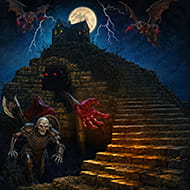
Every mistake earns you an X, and collecting three brings something out of the dark to come for you. That tally is the only health bar the game gives you, so it quietly shapes every decision. Early in a run an X feels like a small slap, but by the second one you start second-guessing commands you would normally pass without thinking.
That second-guessing is the real trap. Players who are one X away from trouble tend to freeze on perfectly valid commands, which costs them time and sometimes the very X they were trying to avoid. The game does not tell you this, but it shows up fast once you notice how your own hands behave under pressure.
Players who like to understand every system before committing will want to treat the X counter as a resource to budget, not just a warning light. Players who love a slow-building scare, on the other hand, may enjoy letting the count climb and feeling the house change around them.
Story and Endless Modes in Ruby Says
Story is the guided route. You survive the night and learn what is really in the house, which gives each round a reason beyond keeping the X counter low. Endless drops the narrative entirely and asks one question: how long can you last? Your result goes to the All-Time leaderboard, so every run becomes a number you can try to beat.
Which mode suits you depends on what you want from a horror game. Fans of atmosphere and discovery will get more from Story, while leaderboard chasers will gravitate toward Endless because it rewards consistency over curiosity.
Starting with Story is the sensible choice, because it teaches the rhythm of Ruby’s commands with an actual goal attached. Once the pattern is second nature, Endless becomes a test of stamina and focus rather than a test of learning the rules.
Four-Player Rounds and Reviving Teammates
You can play alone or bring up to four players onto the mat, and the game changes noticeably with company. Teammates can revive one another, so a single bad moment no longer has to end a run. It also means the mat gets crowded with people reacting to the same command at slightly different speeds.
A group has a natural weakness: when one player jumps early, others tend to follow without checking. The best groups agree up front that nobody moves until at least two people have heard the opening phrase. It is a simple rule, and it prevents a chain of X’s across the whole team.
Anyone who plays the nervous teammate, the one who waits to copy others, can actually be valuable here, because they act as a built-in delay. Revives are strong, but they are not a substitute for listening, since a team that keeps falling will still run out of momentum.
Ruby Says Beside Suzy Says
Ruby Says openly takes its inspiration from Suzy Says, and the shared premise is easy to see: obey only when the right phrase is spoken, and pay for every slip. Fans of the original will recognize the tension immediately. What the Roblox take adds is a house to move through, a Story to follow and the option to bring friends along.
That familiarity is also what players debate. Some enjoy seeing a well-loved scare structure reinterpreted with a leaderboard and a team mode. Others feel that a command loop, however tense, can wear thin over a long Endless run, especially once the patterns stop surprising you.
The honest answer is that your reaction depends on how much you value repetition under pressure. If the core loop of listening, doubting and moving works for you, the rounds stay tense. If you need constant variety, expect the scares to lean on the same rhythm.
Questions Players Ask Before Their First Night
How many mistakes can you make before something comes for you?
You can make two mistakes safely, because the third X is what brings something out of the dark. Each wrong move, whether it is jumping without Ruby’s phrase or running out of time on a search, counts toward that total. Once you are on two X’s, it pays to slow down and double-check every command.
Can friends revive you, and how many can play together?
Up to four friends can join you on the mat, and teammates can revive each other after a mistake sends someone down. That makes group runs more forgiving than solo ones, but only if the team keeps listening for Ruby’s phrase together. A single early jump can drag several players into trouble at once.
Should I begin with Story or Endless?
Begin with Story, because it gives you a night to survive and a reason to learn the commands properly. Endless is better once you can handle jumping, crouching, color touches and house searches without second-guessing. At that point your goal shifts to climbing the All-Time leaderboard.
Ruby Says works because it turns a childhood rule into a source of dread, and every round on the mat reminds you that hearing Ruby’s phrase matters more than moving first. Whether you are protecting your X count in Story or pushing an Endless run up the leaderboard, the best habit is the same: wait, listen, then act.