

















Sabado: Day One


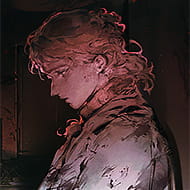




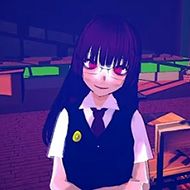
What actually happens if you let Chesa catch you mid-hallway instead of ducking into a classroom? That’s the question most new players ask within the first ten minutes of Sabado: Day One, usually right after she turns a corner they didn’t expect her to be in.
| Genre | Anime-style psychological mystery horror |
| Platform | PC |
| Setting | Kiwi High School |
| Core Mechanic | Slow exploration and evasion around a single recurring character |
Returning to Kiwi High School in Sabado: Day One
The premise of Sabado: Day One is deceptively simple: you’re back at a school you used to know, and everything about it feels one degree off from memory. Classrooms are unlocked in a way they probably weren’t before, hallways stretch a little longer than they should, and Chesa is there waiting like she never left.
Early sections lean almost entirely on atmosphere rather than direct danger. You’re meant to walk, look, and read the environment before the game asks anything harder of you. Players expecting constant chase pressure from minute one tend to get restless here, since Sabado spends its opening stretch building dread instead of spending it.
That patience pays off once Chesa’s behavior starts shifting later in a session — the same cheerful greeting from earlier no longer feels quite so safe once you know what she’s capable of.
Chesa’s Evasion Patterns
Chesa moves at a deliberately slow pace, and that’s the detail beginners misjudge most. New players assume they can walk casually near her and stay ahead by instinct, then get caught because her pathing cuts through a shortcut they didn’t know existed. Matching her pace instead of outright running past her tends to draw less attention.
By the time you reach the homeroom sequence, her voice lines change in tone, and long-time players treat that shift as the clearest warning sign that a chase is close. Ignoring it is the single most common way first-time squads lose progress.
Community discussion around Sabado: Day One frequently brings up how unnerving it is that Chesa never fully drops the cheerful register, even when the situation clearly isn’t friendly anymore. That contrast is doing most of the horror’s heavy lifting.
The Homeroom and Television Sequence
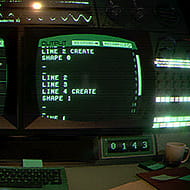
One of the more talked-about set pieces has you sitting through a television-watching sequence timed to a fixed window. Recent balance changes trimmed that window from a full minute down to thirty seconds, which noticeably changes the pacing of that scene compared to earlier builds players remember.
Beads — an item briefly mislabeled as “Beed” in an earlier patch — show up around this same stretch of the story and are easy to miss if you’re rushing the TV sequence instead of scanning the room around you.
Jacob, a secondary character tied to this section, currently plays without voice lines after they were pulled for rework, which changes how some of his scenes land compared to Chesa’s fully voiced interactions.
What Beginners Get Wrong Early
- Rushing hallways. Sabado: Day One rewards slow, careful movement, and players who sprint through corridors tend to miss both story details and Chesa’s early tells.
- Treating Chesa as background scenery. She’s positioned deliberately in each area, and ignoring her placement until she’s already close is how most early scares happen.
- Skipping camera adjustments. The known camera stutter during walking sequences throws off distance judgment, so players who don’t compensate for it misjudge how close Chesa actually is.
Story Pacing and Player Reactions
Not every reaction to Sabado: Day One has been glowing, and it’s worth saying so honestly. Some players find the drawn-out pauses between lines and the slow walking pace drag a short session out longer than the content justifies, describing fifteen minutes of play as feeling much longer. That criticism sits alongside consistently strong praise for the character designs and Chesa’s voice performance, so the divide tends to be about pacing rather than atmosphere.
Newcomers exploring quiet hallways for the first time often single out the sound design as the strongest element carrying them through the slower stretches.
Story-focused players, meanwhile, tend to fixate on the mystery hooks around Chesa’s true nature rather than the evasion gameplay itself, treating each classroom as a clue rather than an obstacle.
Frequently Asked Questions
Sabado: Day One asks you to sit with discomfort instead of running from it immediately, and that patience is exactly what makes the moment Chesa’s tone finally cracks land as hard as it does.