











Sephiria 1.0
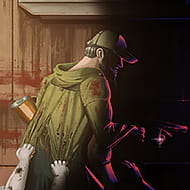


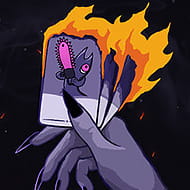


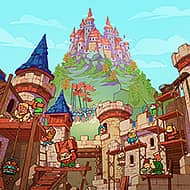



Sephiria looks like a cute pixel-art bunny adventure, all pastel colors and soft village charm — right up until a horde of demons is bearing down on Bunnyville and you’re the only thing standing in their way with a half-upgraded weapon and a badly organized inventory.
| Developer | TEAM HORAY |
| Genre | Top-down action RPG roguelite |
| Platform | PC (Steam) |
| 1.0 Release Date | July 31, 2026 |
| Early Access Start | April 3, 2025 |
The Day of Destiny and Why Bunnyville Needs You
The setup is simple and doesn’t waste your time explaining itself: on the Day of Destiny, Bunnyville is marked for slaughter by an incoming horde of demons, and it’s on you to climb into the tower at the center of it all and stop that from happening. Sephiria wears its premise lightly, but the tower itself is where the actual game lives — six chapters deep, each one escalating the enemy variety and the pressure to keep your build coherent.
What’s immediately noticeable in the first few minutes is how much the game front-loads its systems. You’re not easing into weapon choice or inventory management — you’re making real decisions about your loadout almost from the first room, which is a deliberate design choice from a studio that clearly learned from its earlier roguelite, Dungreed.
Early in the game, runs feel forgiving. By the time you’re a couple of chapters in, that forgiveness evaporates fast.
Six Weapons, Each With Its Own Identity in Sephiria
There are six distinct weapon types available, and each one carries more than fifty unique upgrades, which means a run built around one weapon can play almost nothing like a run built around another. This is the core of what makes replaying Sephiria worthwhile rather than repetitive — the weapon you grab in the first room quietly decides the shape of everything that follows.
Community discussion tends to split fairly evenly between players who specialize hard into a single weapon’s upgrade tree and players who diversify across two or three, hedging against the specific enemy types that show up in later chapters. Neither approach is objectively correct, and that’s part of why the “best weapon” debate keeps resurfacing on the game’s Discord and Bluesky channels.
Artifacts, Tablets, and the Inventory Puzzle Nobody Warns You About
This is arguably the system that separates Sephiria from a generic roguelite loop. Artifacts are collectible passive items, but they’re not just slotted in and forgotten — Tablets let you actively empower specific Artifacts, and where you physically place items in your inventory grid matters for how those empowerment effects trigger. Beginners routinely get this wrong, treating the inventory like a simple item list rather than a spatial puzzle that rewards deliberate arrangement.
- Grab Artifacts opportunistically without a plan, and you’ll fill your grid with items that don’t synergize by the time you need them to
- Save Tablet placement for later without testing early combinations, and you’ll miss cheap power spikes available in the first couple of chapters
- Ignore adjacency effects between neighboring inventory slots, and you’ll underperform relative to your actual gear level once boss fights start
Sixty-Plus Enemies and Ten Bosses Standing Between You and the Top
The tower isn’t padded with reskinned enemies. Sephiria fields more than sixty distinct enemy types and over ten unique bosses across its six chapters, and the jump in difficulty from one chapter to the next is one of the more honestly discussed aspects of the game in reviews — TheSixthAxis specifically called out how the roguelite genre is crowded right now, yet still found Sephiria standing out among its competitors. That’s a meaningful compliment given how saturated this space has become.
Talents add another progression layer on top of weapons and Artifacts, unlocking fresh options each run rather than being a fixed loadout you pick once and forget. This keeps even a familiar weapon choice feeling different run to run, since the Talents available to pair with it shift.
Playing Sephiria With Friends Changes the Math
Online co-op supports up to four players exploring the tower together, and it’s built around real cooperation rather than just four players occupying the same map — you can trade items mid-run and revive fallen companions, which noticeably changes how aggressively a group can push compared to a solo attempt. Speedrun-oriented players tend to favor solo runs for cleaner routing, while build-experimenters often prefer co-op specifically because reviving lets them test riskier Artifact combinations without a single mistake ending the run.
The 27 Steam achievements track a mix of combat milestones and exploration goals — Enlightened Scholar and Gatekeeper of the Mind reward specific in-run accomplishments rather than just grinding playtime, which reflects the game’s general preference for rewarding deliberate play over raw repetition.
What Still Divides the Community a Year Into Early Access
Even with a 97% positive rating across its English-language reviews, Sephiria isn’t without its sticking points. Some longtime players feel the difficulty curve between mid-game and the tower’s later chapters is steeper than the early chapters suggest it will be, catching runs off guard that felt comfortably ahead of pace right up until they weren’t. It’s a fair criticism, and one the developers have acknowledged is still being tuned post-1.0.
Once you reach the tower’s final chapters, expect the enemy density and Artifact requirements to spike sharply enough that a loosely built run from earlier chapters simply won’t carry you through.
Do you need to finish Sephiria solo before trying co-op?
No — co-op is available from the start, and jumping straight into a four-player run with friends is a completely valid way to first experience the tower rather than something to unlock later.
How long does a full clear of Sephiria typically take?
A single run through all six chapters generally takes a few hours depending on how thoroughly you explore each floor for Artifacts, though total playtime climbs well past that once you factor in experimenting with different weapon and Talent combinations across multiple runs.
Is Sephiria too difficult for players new to the roguelite genre?
Not inherently — the early chapters are built to be approachable, though newcomers should expect the difficulty to ramp up meaningfully by the game’s midpoint, at which point understanding Tablet and Artifact placement becomes far more important than raw reflexes.
Sephiria takes a genre that’s genuinely crowded right now and still finds room to stand apart, mostly on the strength of its Artifact and Tablet inventory puzzle and the sheer variety packed into its six weapons. Whether you’re pushing solo toward the top of the tower or reviving a co-op partner mid-fight, Bunnyville’s fate keeps coming down to the same question: how well did you actually build your run.