



















Songs of Conquest









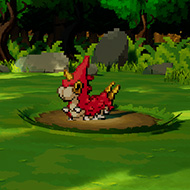


Songs of Conquest looks like a straightforward Might and Magic tribute on the surface, but the way its Wielders reshape entire unit compositions means two players running the same Arleon army can end up playing completely different games.
| Genre | Turn-based strategy with hex-grid tactical combat |
| Factions | Six total across base game and DLC |
| Core Loop | World map kingdom-building feeding into tactical battles |
| Key Resource | Essence, spent by Wielders to cast spells in combat |
Wielders as Commanders, Not Just Heroes
Every faction fields a roster of Wielders — commander units that double as RPG-style characters you level up over a campaign. Choosing one isn’t cosmetic: Giandra Stormspire pushes an Arleon army toward Faey troops, while Cecilia Stoutheart leans the same faction toward its Human side instead, and mixing units against a Wielder’s specialization wastes both resources and turns.
New players frequently build armies first and pick a Wielder second, which is backwards from how experienced players approach army composition. Matching troop types to a Wielder’s specialization bonuses, like a flat defense boost to Human units, is often worth more than the raw stats on any individual unit card.
Arleon, Loth, and the Beginner-Friendly Curve
Arleon combines Human knights and archers with the fantastical Faey, and it’s widely considered the game’s most beginner-friendly faction thanks to a straightforward ranged-heavy playstyle. Loth goes in the opposite direction, calling on necromancy to field some of the cheapest units in the game, which rewards players willing to lean into attrition rather than raw unit quality.
Both factions carry a real skill ceiling despite the easy on-ramp. Arleon’s narrow spell selection means veteran players have to compensate with positioning rather than relying on magic to bail out a bad turn, which is exactly the kind of nuance that separates casual games from ranked ones in the community.
Barya’s Order Essence and Early Aggression
Barya, the merchant faction built around gold, gunpowder, and mechanical ingenuity, generates Order essence exceptionally well and leans on that advantage to fund fast, disruptive plays. Their Dreaths unit specifically excels at neutralizing enemies quickly, giving Barya one of the strongest early-game windows of any faction in the current roster.
This aggressive identity is one of the more debated aspects of faction balance in the community — some players consider Barya’s early tempo close to overwhelming on smaller maps, while others argue it simply rewards decisive early scouting that any faction could theoretically punish if played passively.
Hex-Grid Combat and Essence Management
- Battles shift from the open world map onto a smaller hexagonal grid, where positioning and unit facing matter far more than on the overworld.
- Essence fuels spellcasting during these fights, and running out mid-battle forces a Wielder back onto pure troop management.
- Area-of-effect super units, like the ones Barya fields, punish opponents who cluster their army instead of spreading formations across the grid.
Balancing essence spend against troop losses is the core tactical tension of every fight, and players who burn spells too early on a fight they were already winning often find themselves without answers once a Wielder like Rana’s spellcasters show up in force.
Tech Investment and Unit Specialization
The game’s tech system nudges players toward fewer, more specialized unit types rather than a wide roster, since resources spent upgrading a narrow set of troops compound faster than resources spread thin across everything available. Players commonly stick to basic Tier 1 melee units early and invest tech into upgrading them, since tempo matters more in the opening turns than raw unit power.
That said, matchup context shifts this calculus — Barya’s early units can hard-counter certain Tier 1 melee compositions, which means the “right” specialization depends as much on your opponent’s faction as your own preferences.
Faction Identity and Community Debate
Tier list discussions shift regularly as balance patches land, but Loth and Rana are consistently ranked among the strongest spellcasting factions, while Arleon’s beginner accessibility keeps it a common recommendation for first campaigns despite its narrower magic toolkit. The community’s more heated debates tend to center on whether newer factions like Vanir, added through DLC, integrate cleanly with the base game’s balance or tilt certain matchups unfairly.
Which faction is easiest to learn for a first campaign?
Arleon is the most commonly recommended starting faction, combining straightforward Human and Faey units with a defensive playstyle that doesn’t punish early mistakes as harshly as Loth or Barya.
How does Wielder choice affect army building?
A Wielder’s specialization bonuses apply directly to matching troop types, so building around units like Faey or Human forces that align with your chosen Wielder, such as Giandra Stormspire or Cecilia Stoutheart, produces a noticeably stronger army than mixing types indiscriminately.
What makes Barya strong in the early game specifically?
Barya’s exceptional Order essence generation and units like the Dreaths let the faction establish control and expand faster than most rivals before the midgame catches up, making its opening turns some of the most aggressive in the game.
Songs of Conquest rewards the kind of planning that starts with a Wielder like Cecilia Stoutheart and builds outward, rather than assembling an army first and hoping the hex grid sorts out the rest.