
















TAMASHIKA




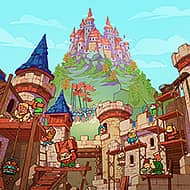




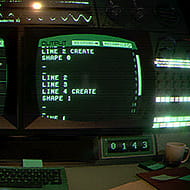


The corridor in TAMASHIKA never changes shape, and yet somehow it never plays the same way twice, because the enemies filling it rotate on a schedule the developer keeps tweaking in real time.
| Genre | Arcade corridor shooter |
| Style | Hand-drawn animation, first person |
| Platform Support | Steam Deck Verified, roughly 90 FPS |
| Core Loop | Survive the corridor, chase a higher score |
Surviving the Corridor in TAMASHIKA
Technically there’s only one main level, and that single fact throws a lot of new players off before they even start. What keeps TAMASHIKA from feeling thin is that the corridor’s enemy patterns, traps, and pacing shift often enough that memorizing a single run’s layout gets you almost nowhere on your next attempt.
Precision sound effects do a lot of the heavy lifting here. Cues for incoming attacks are audio-first, which means players who mute background music entirely tend to react faster than players relying purely on visual tells.
The game’s own store description sums up the philosophy bluntly: it’s about keeping your mind at one place. That single sentence explains more about the difficulty curve than any patch note has so far, and it’s quoted constantly in discussions whenever someone new asks what the point of the game actually is.
Transcend Mode and Accelerate Mode Explained
Transcend Mode leans into scored survival with new segments added regularly, while Accelerate Mode centers on a daily level that loops in on itself, with each completed lap making you move faster than the one before it. Regulars describe chasing that daily loop as the closest thing the game has to a flow state, since speed keeps compounding until a single mistake ends the run.
- Transcend Mode rewards clean survival over long stretches
- Accelerate Mode rewards commitment to an ever-faster daily loop
- Both modes share the same core parry and dodge timing
A separate playlist mode, informally referred to by the developer as Infinite Bliss, strings together a rotating set of time trial levels and has been used specifically to introduce new enemy types like snipers, which forces a different read on positioning than the base corridor ever demanded.
Parry Windows That Punish Guesswork
Parry timing is tight enough that it’s a recurring complaint in the community, with more than one thread venting specifically about how unforgiving the windows feel compared to the rest of the game’s arcade tone. It’s a fair criticism, and one the developer hasn’t fully resolved even after several passes at rebalancing.
Players chasing full combo achievements tend to treat parries as the actual skill ceiling of TAMASHIKA, more so than raw reaction speed on dodges. Landing a full combo run while also collecting seven or more hearts is one of the harder achievement combinations in the game specifically because both goals compete for your attention at once.
Shirukens, Jumpads, and Other Pickups Worth Grabbing
Shirukens drop on a rotating weekly schedule and function as a resource worth detouring for, while jumpads reposition you instantly when a corridor segment turns into a dead end otherwise. Hidden items scattered by date add a light collection layer on top of the score chase for players who enjoy digging through old builds for missed content.
Pickup-focused players will happily sacrifice a clean combo to grab a hidden item, while score-chasers ignore hidden content entirely in favor of a faster, cleaner run.
Community Threads Worth Knowing About
A pinned bug-report thread and a separate pinned release-date discussion stay near the top of the general forums at almost any given time, which tells you how actively the developer engages with reports. A more recent thread, about AI tools being used somewhere in development, sparked real debate among regulars over whether that should’ve been disclosed directly on the store page rather than mentioned only in passing elsewhere.
Soundtrack requests come up often too, with players asking repeatedly whether the upbeat background music will ever get an official release separate from the game itself.
- Is TAMASHIKA a long game? Not in the traditional sense, since it centers on one corridor and a score-attack structure rather than a lengthy campaign, but daily and rotating content keeps runs feeling fresh.
- What are Shirukens used for? They’re a pickup that drops on specific days and factors into scoring and combo potential during a run.
- Does TAMASHIKA run well on Steam Deck? Yes, it’s Valve-verified and holds close to 90 FPS with only occasional minor stutters reported.
TAMASHIKA turns a single corridor into something worth returning to daily, mostly because Transcend Mode and the Accelerate loop keep rewriting what a good run even looks like. Land a full combo through a tight parry window and you’ll understand why regulars keep chasing tamashika-san’s daily grind instead of moving on.