















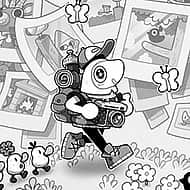



Where The Visual Novel







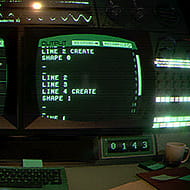


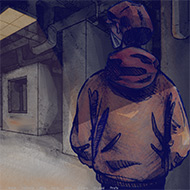
Where looks like a quiet, hand-drawn visual novel about two strangers waking up somewhere unfamiliar, but it plays like a psychological trap that keeps resetting the rules on you. You wake up beside a man named Ray in a space that shouldn’t exist, one that folds back on itself with rooms that seem to remember your last visit even when you don’t.
| Genre | Surreal horror visual novel, point-and-click |
| Platform | Windows, macOS, Linux, Android |
| Endings | 10 main endings, plus 1 secret ending |
| Length | Roughly 90 minutes for a first playthrough |
Waking Up Beside Ray in an Impossible Space
The premise of Where is deceptively small: you and Ray come to in a space that has no clear beginning or end, and neither of you fully understands how you got there. The dialogue between the two of you carries most of the early game, and a lot of the tension comes from how little either character actually knows. You’re not given a tutorial dump of lore; instead, the game asks you to piece together what this place is from small details scattered through the environment.
Ray is easily the most talked-about character in Where, partly because of how the story treats him. Players consistently mention feeling protective of him early on, only for later choices to complicate that feeling considerably. Some players in the community have gone so far as to say they’d name a future pet or even a child after him, which says something about how attached people get over a relatively short runtime.
What makes the opening hours effective is restraint. The game doesn’t rush to explain the strange man, the space, or what’s expected of the player. It lets discomfort build through pacing rather than jump scares, which is unusual for a horror visual novel and a big part of why it’s stuck with so many players after finishing it.
Ethan’s Room, the Old Hut, and What the Office Hides
Exploration in Where revolves around distinct rooms, each holding fragments of a story that isn’t about you or Ray directly. Ethan’s room contains a hidden letter tucked under the bed, one that hints at his parents rather than at Ethan himself, suggesting the room is less about a person and more about a family’s unraveling.
The old hut belongs to a man from 1847, and his presence is one of the clearer signals that this liminal space has existed across very different periods of time, not just the present. He’s stuck in the same in-between state as everyone else who ends up there, caught between accepting what happened to them and refusing to.
The office is quietly one of the most rewarding rooms to piece together. Research papers scattered around hint that the person who once occupied it had already gathered enough information about the space before arriving, which is implied to be the reason that particular door is left open rather than sealed like the others. It’s a subtle reward for players willing to actually read everything instead of clicking through text boxes.
The Cycle Mechanic and Why Where Keeps Looping
One of the most discussed elements of Where is its cycle mechanic. The game remembers choices from a previous loop, and starting over doesn’t wipe the slate as cleanly as you’d expect. Rooms react differently, dialogue shifts slightly, and characters occasionally reference something from a prior playthrough that you, the player, remember but your character technically shouldn’t.
This looping structure is where most of Where’s horror actually lives, more than any single scare. Knowing that the space is keeping score, in some sense, changes how you approach even simple choices the second and third time through. Community discussion frequently uses the term “getting looped” to describe the sensation of realizing a scene you thought was new has actually happened before, just from a different angle.
According to the developer, the only real way to end the loop permanently is for the player character to die within it. Otherwise, each fresh playthrough continues the cycle rather than starting a wholly separate story, which reframes a lot of what looked like simple replay value into something closer to a core narrative idea.
Reading Environmental Clues Instead of Chasing Jump Scares
Where rewards close reading more than fast reflexes for most of its runtime. Letters, notes, and background details in each room tend to matter more than anything jumping out at you. This is part of why players who rush through dialogue tend to come away more confused about the ending than players who took time to read every note they came across.
There’s also a persistent minimap and a small detail in the main menu, an eye that tracks your cursor, that a lot of players point to as an early sign of what kind of game this actually is before the story even begins in earnest. It’s a small touch, but it sets expectations for how much the space is supposedly watching you back.
Beginners often make the mistake of treating early rooms as disposable, clicking through them quickly to reach whatever feels like “the real story.” In practice, almost every room feeds into later reveals, and skipping details tends to leave the ending feeling more arbitrary than it’s meant to.
Surviving the Pool Scene and Where’s Timed Reactions
Where isn’t an action game, but it does include a handful of timed reaction moments, and the pool scene is the one players bring up most often. It requires a quick key press at a specific moment, and a number of players have gotten stuck here simply because the prompt isn’t always obvious on a first attempt.
According to the developer, this particular sequence is intentionally unavoidable the first time you hit it, and the actual trick lies in a choice made just before it rather than in the timed input itself. Staying calm in the preceding scene, rather than panicking, changes what happens once you reach the pool.
It’s a good example of how Where hides its real puzzle logic behind moments that look like simple reflex tests. The lesson carries over to plenty of other sequences later on: the option you pick before a scene often matters more than how fast you react during it.
Panic or Stay Calm: Choices That Shape the Ending
A recurring choice throughout Where asks you to either panic or stay calm in moments of stress, and this single binary quietly shapes a surprising amount of the later story. It’s a simple mechanic on the surface, but the game treats it as a meaningful character trait rather than a throwaway flavor choice.
Players chasing every ending eventually learn that certain endings are locked behind specific combinations of these choices layered on top of the cycle mechanic, meaning a full completionist run requires deliberately varying your temperament run to run rather than always playing it safe or always playing it reckless.
This is also where Where’s writing earns some of its most talked-about moments, since the same core scene can play out with a noticeably different emotional weight depending on how calm or frantic you chose to be earlier.
Chasing All Ten Endings and the Distrust Twist
Where offers ten numbered endings plus a secret eleventh ending called Distrust, and the community treats hunting for all of them as a genuine second playthrough goal rather than a footnote. Named endings like Unwavered and Exposed each require specific choice combinations, and missing one usually means backtracking through a saved cycle rather than restarting from scratch.
- Use the automatic quicksaves, labeled with a Q, to jump back to a recent decision point instead of replaying the whole game
- Track which endings you’ve already unlocked before attempting Distrust, since it’s positioned later in most guides for narrative reasons rather than difficulty
- Pay attention to small dialogue shifts between loops, since they’re often the clearest signal that a different ending path has opened up
The ending count has occasionally been affected by a tracking bug that miscounts progress, something the community has openly flagged and discussed rather than treated as a dealbreaker. It’s a fair criticism of an otherwise tightly built game, and one the developer has acknowledged directly in response to player reports.
Questions Players Ask About Where
- Can Ray survive in Where? The developer has hinted that at least one ending contains subtle clues suggesting Ray survives, even though most playthroughs treat his fate as settled well before the credits.
- Why does Where keep looping instead of ending? The space only stops looping if the player character dies within the cycle; otherwise, each new playthrough continues rather than restarts the story from zero.
- What does the Distrust ending mean? It functions as a secret, twist-style ending separate from the ten main endings, and it’s positioned later in the story specifically so its reveal lands after players already understand Ray and the space itself.
Where earns its reputation less through jump scares and more through the slow realization that nothing in this space, including your own memory of it, can be fully trusted. Whether you’re piecing together Ethan’s letter, timing a choice before the pool scene, or hunting down the Distrust ending on a fourth or fifth loop, Where keeps circling back to the same unsettling question: how many times have you already been here without realizing it?