
















Iron Blight







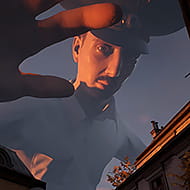

Gunfire in Iron Blight does not just kill the abominations in front of you, it calls more of them toward you. That single rule shapes everything about how the game plays, from how you walk down a rain-soaked street to whether you pull the trigger at all. You are trapped in a feverish night in an Eastern Bloc town, and the only goal worth the risk is finding your wife, Valeria.
| Genre | Survival horror |
| Setting | A cold, rainy Eastern Bloc town during one long night |
| Goal | Survive the abominations and find Valeria |
| Core systems | Scarce ammunition, food and medical supplies, puzzles, grid-based inventory |
| Tone | Atmospheric and tense, with retro-style visuals |
Resource Scarcity and Every Bullet in Iron Blight
Bullets are scarce, and so are the food and medical supplies you need to keep going. Beginners tend to empty a magazine into the first abomination they meet, then discover they have nothing left when a second one turns the corner. The game is built around the choice its own pitch spells out: fight, flee, or die.
Noise is the hidden cost of every shot. The sound of gunfire can draw more horrors to your position, which means a quick kill in a hallway can turn into a worse fight thirty seconds later. Experienced players avoid unnecessary confrontations whenever they can and treat the weapon as a last answer rather than a first one.
That scarcity is also the most divisive part of the experience. Fans of classic survival horror feel right at home counting rounds before opening a door, while players who want more firepower may find the tension exhausting. Neither reaction is wrong, because the pressure is the whole point.
A Grid Inventory Built Into the World
Iron Blight uses a diegetic grid-based inventory, which means your supplies are part of the world rather than a clean pause menu. Your only interface is your own perception, so there is no busy HUD telling you what to do next. Players coming from older survival horror will recognise the puzzle of deciding what deserves a slot.
- Ammunition and healing supplies compete for the same limited space.
- Tools picked up while scavenging take room that supplies could have used.
- Every carried item is a decision you will feel at the next locked door.
Weapon upgrades are worth the investment, because players report that upgraded weapons produce noticeable gameplay improvements. Pouring upgrades into one reliable weapon usually beats spreading thin across several, especially when every bullet already matters.
Locked Doors, Puzzles, and Scavenged Tools
Early in the game you are locked in a room while abominations claw at the door, and a radio delivers the message that nobody is coming. That moment sets the tone: you stop waiting for help and start moving. From there, even opening a locked door demands thought, and scavenged tools are what clear the obstacles ahead.
Puzzle-minded players will enjoy that the streets and claustrophobic interiors reward careful looking over fast running. Checking a room thoroughly can mean the difference between finding the tool you need and walking back through ground you already cleared.
Players who prefer constant action may find the pace deliberate by design. The game would rather you stop, listen, and plan a route around danger than charge forward with a half-empty weapon.
Iron Blight Compared With Classic Survival Horror
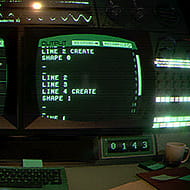
Reviewers often compare the game with Resident Evil, Silent Hill, and Cry of Fear, and the shared DNA is easy to spot: scarce resources, an oppressive setting, and a quiet dread that builds between encounters. Many players praise how it blends retro-style graphics with modern mechanics while keeping its own identity.
There are honest complaints too. Some players call it short, and bugs have been reported, including reloading anomalies, broken settings, and issues that block progress near the end. Performance on Steam Deck has also drawn criticism, so handheld players should expect rough edges.
Even so, the community leans positive, especially among people who came for tension rather than polish. For survival horror fans who want a lean, atmospheric night with Valeria waiting at the end of it, the flaws tend to feel forgivable.
Iron Blight is at its best when you hear a door rattle, count the rounds left in your weapon, and decide to creep past the abominations instead of firing. That choice, made again and again with a grid inventory that never has quite enough room, is what keeps the search for Valeria tense until the very last street.