


















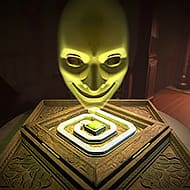





Culdcept BEGINS




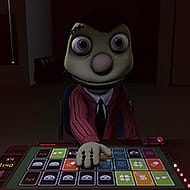


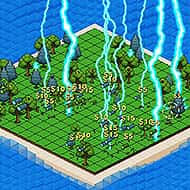



You flip a card in Culdcept BEGINS expecting an ally, and the Confessor mutters that she feels dizzy instead. That means she’s either poisoned or lying about being a demon, and you must decide whether to execute her before you know.
| Genre | Social deduction roguelike deckbuilder |
| Platform | Browser |
| Core Loop | Reveal cards, deduce hidden demons, avoid wrong executions |
| Mode | Single-player |
Reading the Villagers in Culdcept BEGINS
Every run hands you a row of face-down cards, and turning one over is the only way to learn anything. Villagers like the Baker and the Bard say something about nearby cards.
Demons copy those clue formats, so a lie can read identically to the truth. The Confessor narrows that gap, since her dizziness line only triggers if she’s evil or poisoned.
Poisoned villagers tell the truth about being good but lie about everything else, so a Poisoner corrupting a neighbor can wreck a read that looked solid a turn earlier.
Villagers, Outcasts, and the Demons Hiding Among Them
Outcasts like the Drunk and the Plague Doctor follow their own rules, and misreading one as a villager can burn an execution.
The demons are few but disruptive — Baa, Lilis, and Pooka break the board differently, and Pooka can disguise as a card still in the deck.
Minions like the Poisoner and the Witch don’t kill directly, but twist what villagers say, so a hidden minion makes a board look cleaner than it is.
When Night Falls in Culdcept BEGINS
Every card reveal ticks a hidden clock, and once four ticks pass, night falls and the demons act. Lilis punishes a slow day, draining health each time her clock resets.
The health economy is unforgiving: each run starts with ten points, and a mistaken execution costs five. Two wrong executions end the run.
Cautious players slow down once the board gets murky, while aggressive ones push an early execution and accept the risk.
Building a Deck Between Runs
Roguelike mode lets choices carry between days. Weak villagers get dropped, useful ones upgraded, and new recruits join a growing deck.
Players debate how punishing one bad recruit can be — a weak card added early can haunt a deck for days before there’s a clean cut.
Newer players recruit for variety over consistency, which backfires once clues start to contradict each other.
- How do you tell if a card is lying in Culdcept BEGINS? You cross-reference clues, like the Confessor’s dizziness line, since statements can’t all be true at once.
- What happens when night falls in Culdcept BEGINS? After four reveals tick the clock, demons such as Lilis or Pooka act, draining health before day returns.
- Can you recover from a wrong execution in Culdcept BEGINS? Not really — a run starts with ten health, a mistaken execution costs five, and a second one ends the run.
Culdcept BEGINS earns its tension by refusing to soften mistakes — every flipped card sharpens your read or moves you closer to executing the wrong villager, and a clean run comes down to trusting the Confessor’s dizziness at the right moment.