













Dispatches 1940



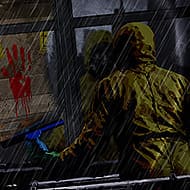

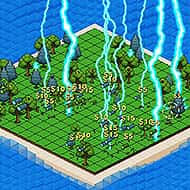


What happens when your army runs out of fuel mid-campaign in Dispatches 1940? The offensive option simply disappears from your choices — no warning screen, no soft penalty, just a command you can no longer give.
| Genre | Strategic command / narrative simulation |
| Setting | European theater, World War II |
| Campaigns | OKW (German), STAVKA (Soviet), SHAEF (Western Allied) |
| Endings | 88 named outcomes across the three commands |
Three Commands, Three Different Pressures
Dispatches 1940 splits into three separate seats of command, and each one demands a different kind of reading. Running OKW means managing an early advantage you’re expected to press before it erodes, since the historical window for German momentum doesn’t stay open indefinitely once the game starts tracking your resourcing against it. STAVKA starts on the back foot instead, forcing decisions around when to trade space for time, and punishing players who try to hold ground the way OKW can. SHAEF sits somewhere between the two, juggling coalition politics on top of the same resource math everyone else deals with, which makes it the campaign most players describe as the hardest to read on a first attempt.
The game’s central system is what players have started calling the Logistical Triangle — Manpower, Fuel, and Time tracked against the actual historical baseline for each campaign. These aren’t cosmetic scores sitting in a corner of the screen for flavor. Run any one of them low enough and specific choices vanish from the option list entirely, which is a sharper punishment than most strategy titles bother with. An army without fuel doesn’t get a fuel-shortage debuff applied to its offensive; it loses the ability to launch one at all.
That design choice is also where most first-time frustration comes from. Players used to soft penalties in other command games expect a warning before an offensive gets locked out. Dispatches 1940 doesn’t warn you, and by the time the option has quietly disappeared from the list, the campaign has usually already committed you to the consequences of getting there.
New players tend to treat all three resources as equally urgent early on, when in practice Time behaves differently from the other two. Manpower and Fuel can sometimes be rebuilt through cautious play, but Time only moves one direction, and campaigns that stall out chasing a marginal Manpower advantage often find themselves out of Time before the payoff arrives.
Where History Ends and Contested Rolls Begin
Not every decision in the game is scripted. Where the historical record is settled, Dispatches 1940 presents the settled outcome and moves on — no dice, no branching, just the documented result folded into your report. Where serious historians still disagree about what would have happened, the game switches to Contested Rolls instead: weighted dice whose odds shift based on how well or badly you’ve managed the war up to that point.
One frequently cited example is the branch covering a Soviet push into Greece racing British forces to Athens, a genuine multi-chapter path that plays out differently depending on how much Manpower and Time you’ve conserved beforehand. Reach that fork with resources intact and the odds tilt meaningfully in your favor; arrive depleted and the same roll can go the other way even with careful play leading up to it. Another frequently discussed branch is the British 1940 war cabinet crisis over whether to seek terms, which hinges less on battlefield numbers and more on how the political pressure’s been building across SHAEF’s earlier chapters.
Community reaction to Contested Rolls is genuinely split, and it’s worth being upfront about that. Some players appreciate that the odds respond to how they’ve played rather than being pure chance, treating a bad roll on the Athens branch as a fair consequence of earlier overextension. Others find it frustrating to watch a pivotal, multi-hour campaign swing on a die roll at all, regardless of how the odds were weighted going in. Neither side is wrong, and it’s one of the more consistent debates in Dispatches 1940 discussion threads.
The Paper-Wear UI Players Talk About
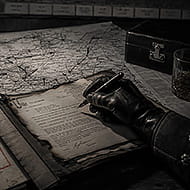
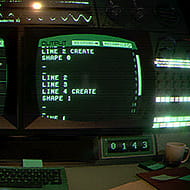
Community discussion around Dispatches 1940 circles back constantly to its interface — a typewriter-style report screen that visibly degrades as your resources strain. Low Manpower causes light word redaction on the reports, blacking out longer words while keeping short ones legible so the sentence stays scannable even mid-collapse. Low Fuel produces water-stain gradients bleeding across the page instead, rendered as actual radial gradients that darken the paper rather than sitting on top of it like a static overlay.
It’s a small touch on paper, but it’s the detail almost every player brings up first when describing the game to someone who hasn’t played it, because you feel your campaign collapsing before you even finish reading the numbers on the report in front of you. A dispatch arriving half-redacted under manpower strain tells you the state of your army faster than any meter could.
What’s the fastest way to lose an offensive option entirely?
Letting Fuel bottom out mid-campaign removes offensive choices outright rather than just weakening their odds, which catches most first-time OKW players off guard since the game gives no separate warning before the option disappears from the list.
Do Contested Rolls feel random or fair?
Players are split on this — some appreciate that the odds respond to your management of Manpower, Fuel, and Time, while others find losing a pivotal branch like the Athens race to an unlucky roll genuinely frustrating even when the weighting favored them.
Which campaign is the best starting point?
Most community advice points newer players toward OKW first, since its early advantage gives more room to learn the Logistical Triangle before the margins get as tight as they do running STAVKA or SHAEF.
Dispatches 1940 earns its reputation by refusing to soften the moment Fuel or Manpower runs dry, and once you’ve watched a redacted report scroll past on the OKW desk, you understand why players keep coming back to argue over the Athens branch instead of just replaying the safer route.