





















Terpenie





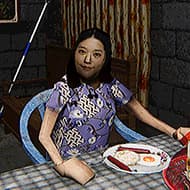

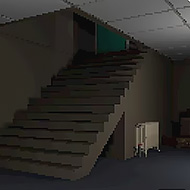



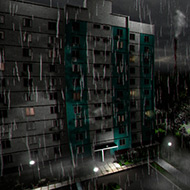
In TERPENIE you start with a factory shift behind you and an empty apartment ahead, which matters because every task that follows is measured against how normal it feels. There is no weapon, no map, just a list of chores in a cramped post-Soviet flat and a vague sense that someone is watching you closer than you are watching your own dinner.
| Genre | Psychological Horror, Walking Simulator |
| Platform | PC |
| Player Mode | Singleplayer with Co-op option |
Coming Home to TERPENIE’s Cramped Apartment
The flat is small the way post-Soviet housing blocks are small: a narrow kitchen, a main room doubling as bedroom, and a balcony overlooking the courtyard. Nothing about the opening is scripted for horror; you are simply home after a long day with chores waiting.
Early tasks are deliberately mundane: cook something on the stove, tidy the room, take out the trash, maybe sit down to read. None of it is timed dramatically, and the pacing is slow enough that some players call the opening closer to a chore simulator than a horror game.
- Cooking a simple meal
- Cleaning and organizing the room
- Taking out the trash
- Reading or resting between chores
- Stepping onto the balcony
Beginners rush through this list and miss the earliest warning signs. Small shifts in lighting and object placement are what TERPENIE relies on instead of a jump scare.
The Balcony and the Window That Looks Back
The balcony is where the game earns its reputation. Binoculars sit within reach, and scanning the block across the courtyard is optional, which is why most players do it anyway. Lit windows form a grid of tiny stages until one shows something it should not: a silhouette dragging another, a killing already in progress.
The detail that only lands once you have played it is the beat right after that window goes still, when the binoculars hold you a fraction too long and the figure turns and looks straight back. No cutscene, no music sting, just silence, the moment players keep citing as when the game stops feeling like a walking simulator.
When the Evening Breaks Down: The Maniac in TERPENIE
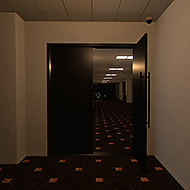
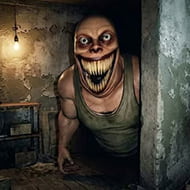
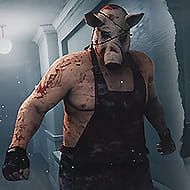
Once the routine breaks down, the apartment stops being neutral ground. The figure from the window, known in the game and its community as the Maniac, does not appear on a fixed timer. He can show up at the door, in a cleared hallway, or in the room you just tidied.
This is where the game shifts from observation into a cat-and-mouse chase confined to your own home, and the cramped layout turns dangerous once a locked door is all that separates you from him. Getting caught in the open, instead of tucked into a hiding spot with a clear sightline to the door, is the most common way an evening ends.
An advanced technique regular players lean on is tracking sound over sight. Footsteps carry differently through thin walls, so listening for which room he entered before picking a spot beats blindly ducking into the nearest closet.
Hiding, Timing, and What Beginners Still Get Wrong
New players tend to make the same mistakes, and most come down to timing rather than reflexes.
- Finishing every chore before checking the balcony, delaying the scene that explains the danger
- Running to the first hiding spot instead of listening for the Maniac first
- Leaving doors open out of habit, making rooms easier to search
- Moving during a search instead of staying still once hidden
Whether getting caught ends the evening depends on how exposed you were, which is why players compare notes on which spots hold up under a direct search. Surviving a full evening is less about reflexes than reading the apartment’s mood.
A single evening in TERPENIE runs short by design, closer to one sitting than a sprawling campaign. A failed attempt costs minutes rather than hours of progress.
A Slow, Divisive Kind of Dread
TERPENIE sits at Mostly Positive on Steam, with roughly 71 percent of reviews positive, and the discussion splits along pacing lines. Players expecting constant scares note that much of the runtime is cooking, cleaning, and reading, with the threat confined to a short stretch once the balcony scene triggers everything else. That imbalance is a fair criticism, and impatient players may check out before the horror arrives.
Players who prefer slow-burn horror over scripted scares tend to name the balcony sequence as the high point. For everyone else, the slowness is the appeal, and it is why people compare TERPENIE to other chamber horror games built around one apartment, since the fear here is about realizing your own home has an audience.
Players who enjoy hidden-object exploration will find plenty to notice outside the chase, from details rearranged between visits to one object left where it should not be. That habit decides whether the Maniac finds you or whether the rest of the evening in TERPENIE plays out undisturbed.