















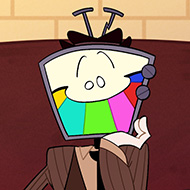
Behind the Broadcast: The Director’s Cut
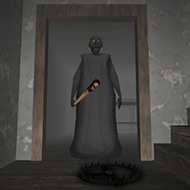


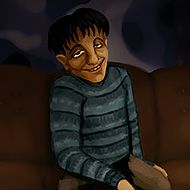

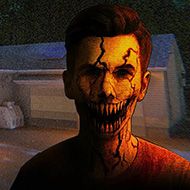
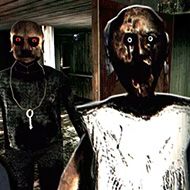
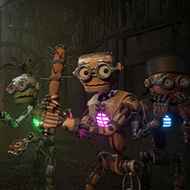

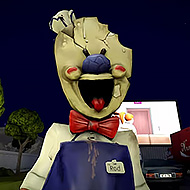

The feed cuts on mid-broadcast, static rolling across a frame that was never meant to be watched by anyone outside the studio, and that's the exact moment Behind the Broadcast: The Director's Cut hands control over to you.
The Found-Footage Setup Behind Behind the Broadcast: The Director's Cut
This is a small, sparse horror game built around the found-footage idea: a broadcast that was never supposed to leave the room it was recorded in, now playable frame by frame from behind the camera. There's little explanation up front about who is filming or why, which is a common choice in short horror projects that lean on unease rather than exposition to do the work.
Static, dropped frames, and a persistent sense that the recording is being watched back rather than lived through in real time all carry more weight here than any dialogue does.
Players who enjoy tape-style horror will recognize the formula immediately, even without a single named character or credited voice guiding them through it.
What First-Time Viewers Notice in Behind the Broadcast: The Director's Cut
The first couple of minutes are almost entirely about orientation rather than danger, since the game gives very little indication of what's actually being asked of the viewer. Most players spend that opening stretch just learning how the broadcast responds to input at all before anything genuinely unsettling happens.
- Static bursts that interrupt otherwise calm footage
- A camera perspective that never fully explains its own position
- Audio that occasionally runs ahead of or behind the visible frame
That gap between what's shown and what's implied is where most of the tension actually lives, and it's also the part of the game people disagree about most, since a slower build can read as either dread or as a lack of content depending on patience.
New viewers often try to look for a clear objective the way a longer horror game might provide one, and adjusting to the absence of that guidance is part of what the opening stretch is quietly asking of them.
Is Behind the Broadcast: The Director's Cut actually scary, or just slow?
It leans slow by design, closer to a found-footage short than a jump-scare gallery, so anyone expecting constant frights may find the pacing thin. Players who enjoy sustained unease over sudden shocks tend to get more out of a single sitting than players looking for a quick scare.
How long does a full watch-through take?
Given how sparse the content is, most players finish in a single short sitting rather than returning across multiple sessions, which fits the found-footage framing of watching one uninterrupted recording straight through.
Behind the Broadcast: The Director's Cut never pretends to be more than a short, static-laced recording that was never meant to be seen, and that honesty about its own scope is exactly what makes the format work.