























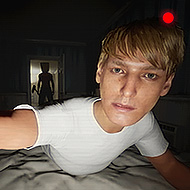
[Stories to Tell] The Stoneville Incident



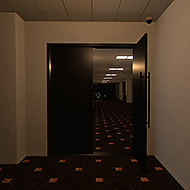






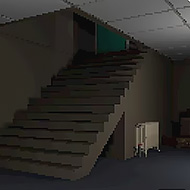


You pull up to a town that looks abandoned rather than asleep, porch lights left on in houses nobody seems to be inside anymore, and the quiet is the first thing that tells you something already went wrong before you arrived. That's where [Stories to Tell] The Stoneville Incident starts you off, with no crew, no backup, and no clear idea yet of what actually happened here.
The Setup Behind [Stories to Tell] The Stoneville Incident
This is a small-scale horror game built around exploring a town after whatever event gave it its name, piecing together what happened from the state of the place rather than from any lengthy cutscene explaining it upfront. Doors are left open, some rooms are undisturbed and others clearly aren't, and very little dialogue exists to tell you which detail matters and which is just set dressing.
That reliance on environmental storytelling instead of exposition is common in short indie horror, and it puts the burden of noticing things squarely on the player.
Players who enjoy piecing together a story from scattered details tend to get more out of a slow first walkthrough than players hoping for a scripted explanation early on.
What Beginners Get Wrong in [Stories to Tell] The Stoneville Incident
Most first attempts move too quickly through the opening area, treating it like a hallway to get past rather than a scene worth reading carefully, and that usually means missing whatever small detail was meant to set up what comes later. The game rarely repeats information, so anything skipped early tends to stay skipped for that entire run.
Slowing down in the first few minutes pays off more than any single item or shortcut could.
New players also tend to expect a clear threat to appear immediately, when in practice a lot of the early tension comes from the absence of one rather than the presence of one.
How the Tension Builds as the Incident Unfolds
As a run continues, the town stops feeling merely empty and starts feeling deliberately arranged, with small changes between areas suggesting something is reacting to your presence even when nothing is directly visible. That shift, from passive exploration to active unease, is where most of the game's identity actually sits.
By the time a player reaches whatever the game treats as its later stretch, the earlier quiet reads very differently in hindsight.
Returning players often say a second run changes how the opening feels entirely, once they already know a few of the details they missed the first time.
What Players Debate About [Stories to Tell] The Stoneville Incident
The most common complaint is a lack of clarity around what exactly counts as progress, since the game offers little in the way of markers or confirmation that a player is moving in the right direction. Some treat that ambiguity as part of the atmosphere, while others find it genuinely frustrating on a first playthrough.
Documentation for a game this small and this unconfirmed in origin is thin at best, which leaves a lot of first-time players guessing at intent rather than following any established walkthrough.
Neither issue breaks the experience, but both come up often enough among people who've sat through a full run to be worth naming honestly rather than glossed over.
- Is [Stories to Tell] The Stoneville Incident based on a true event? There's no confirmed real-world incident behind the title; the town and its situation function as a self-contained fictional setup rather than a documented case.
- How long does a full playthrough take? Given the scale of the town and the lack of extended side content, most players finish in a single sitting rather than across multiple sessions.
- Do earlier choices affect how the incident ends? The structure leans more toward discovery than branching choice, so what changes between playthroughs tends to be what a player notices rather than what a player decides.
[Stories to Tell] The Stoneville Incident works best for players willing to slow down and read a quiet, abandoned town rather than wait for something to explain itself, and that patience is exactly what turns an empty porch light into the detail you remember afterward.